ZeroWaste Sync: Automated Food Waste Solution
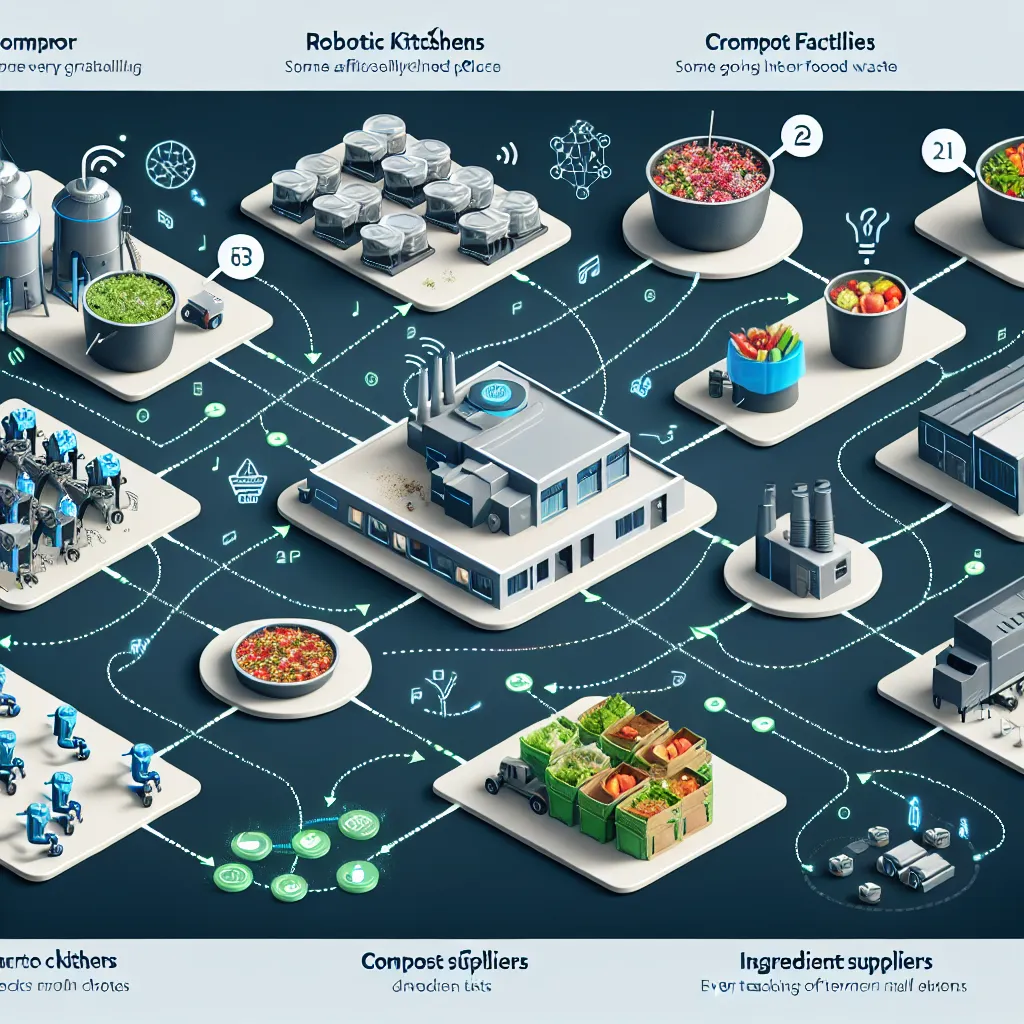
Automation solves speed but not waste. ZeroWaste Sync connects robotic kitchens, compost facilities, and ingredient suppliers into a closed loop where leftovers are algorithmically redistributed. Spyce’s robots already track every gram of food—this uses that data across the network to reroute surplus into other kitchens or meal kits in real time. It’s a B2B sustainability network that pays restaurants for optimized waste streams. Why now? The economics of food waste are massive, and automation means exact measurements at every step. Imagine if your salad’s leftover kale became someone else’s smoothie base.
Description
No additional description provided.
The Pitch
The global food industry has been on a transformative journey, increasingly incorporating automation technologies to enhance operational efficiency. Robotic kitchens like Spyce have revolutionized food preparation, accurately tracking every gram used. Despite this advancement, an enduring issue prevails: food waste. Huge quantities of food are wasted daily, impacting both the economy and the environment. Food waste not only represents a lost opportunity for revenue but also contributes to environmental degradation through carbon emissions and landfill usage.
**Problem Statement**
The crux of the problem lies in the disconnect between food waste generators and potential end users. Each entity along the food supply chain operates in silos, lacking synchronization that could redirect surplus food to where it's needed. This inefficiency results in companies losing money, missing out on sustainable practices, and contributing to environmental harm.
**The Solution: ZeroWaste Sync**
ZeroWaste Sync emerges as a comprehensive solution addressing these inefficiencies. It serves as an integrative network connecting robotic kitchens, compost facilities, and ingredient suppliers. By utilizing real-time data from automated systems, ZeroWaste Sync ensures that surplus food is not wasted but seamlessly rerouted within a closed-loop network. Imagine a system where the leftover kale from a singular salad becomes the smoothie base for another dish elsewhere, all coordinated through an intelligent algorithm.
**Product Details**
- **Real-Time Data Integration**: Connecting with existing robotic kitchens like those of Spyce, ZeroWaste Sync leverages precise measurement data to identify surplus and its potential uses.
- **Algorithmic Redistribution**: Advanced algorithms assess available surplus and reroute it to participating kitchens or meal kit providers who can use the ingredients.
- **Network Collaboration**: Creating a B2B platform where participants are incentivized through compensation for their optimized waste streams.
**Tools for MVP Launch**
To launch ZeroWaste Sync as a Minimum Viable Product (MVP), several tools can be employed:
- **Data Analytics Platform**: Use platforms like AWS or Google Cloud for handling real-time data and providing insights.
- **API Development**: Develop APIs to facilitate seamless communication between participant systems.
- **Algorithm Software**: Tools like Python with libraries capable of developing predictive and redistribution algorithms.
- **Cloud Computing**: Implement scalable solutions on cloud services to ensure reliability and capacity as the network grows.
**Go-To-Market Strategy**
- **Targeted Outreach**: Engage with early adopters among robotic kitchens and sustainable restaurants. Building partnerships with key industry players can create credibility.
- **Pilot Programs**: Implement pilot programs in select cities to gather data, prove the concept, and make necessary refinements.
- **Industry Collaborations**: Partner with waste management services, compost facilities, and ingredient suppliers to expand the network and demonstrate a comprehensive approach.
- **Sustainability Branding**: Highlight the environmental benefits; market ZeroWaste Sync as not just a cost-saving tool but a step toward sustainable practices.
**Business Model**
ZeroWaste Sync will operate on a subscription and transaction-based hybrid model:
- **Subscription Fees**: Charge participating businesses a subscription fee for using the platform services.
- **Transaction Fees**: Implement a transaction fee structure where profits from redistributed ingredients are shared.
- **Incentive Structure**: Develop a system that compensates participants for contributing their surplus to the network, encouraging more businesses to join.
In conclusion, ZeroWaste Sync provides an innovative answer to a pressing global issue, leveraging technology to create a smarter, environmentally conscious food ecosystem. By integrating the sectors of the food supply chain and rerouting waste, it promises both economic and sustainable benefits, paving the way for the next evolution in food management.