Zero-Waste Grocery Stores: An Emerging Trend
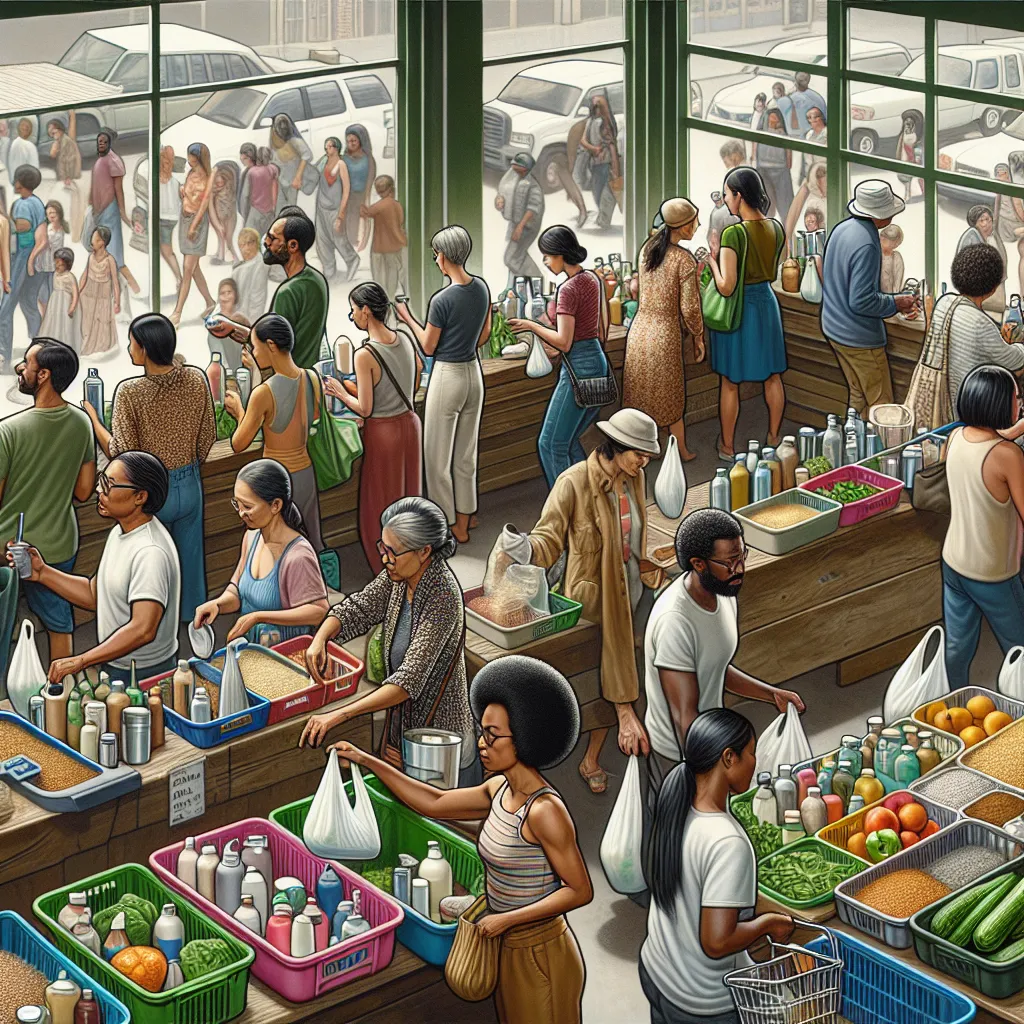
Americans drown in single-use packaging. In Germany and Canada, “zero-waste grocery stores” like Original Unverpackt let shoppers fill reusable containers with everything from grains to shampoo. These shops are profitable in dense cities, supported by eco-conscious consumers and local policy. In Berlin, they’re a lifestyle staple. In the U.S., Whole Foods has some bulk bins, but there’s no scaled brand leading with zero-packaging retail. With Gen Z pushing eco-friendly shopping, this is a cultural wave waiting to hit.
Description
No additional description provided.
The Pitch
The growing awareness of environmental issues has sparked a movement towards sustainability, with consumers increasingly seeking eco-friendly alternatives in their daily lives. One area ripe for transformation is grocery shopping, where single-use packaging is a major contributor to environmental waste. While countries like Germany and Canada have made significant strides in addressing this issue, there is a notable gap in the U.S. market for zero-waste grocery stores.
Background and Problem
In many parts of the world, particularly in North America, grocery shopping is dominated by single-use packaging. This not only contributes to landfill overflow but also perpetuates a cycle of wastefulness. Despite the presence of bulk sections in some stores, such as Whole Foods, the lack of a comprehensive, scalable brand focused solely on zero-packaging retail remains a challenge. As Gen Z and other environmentally-conscious demographics grow in purchasing power, the demand for sustainable, packaging-free shopping options is at an all-time high. This presents a problem both for the planet and for consumers seeking easier ways to reduce their ecological footprint.
Proposed Solution
The solution lies in establishing a network of zero-waste grocery stores in the U.S., modeled after successful examples in Europe and Canada. These stores would offer an extensive range of products—from dry goods and fresh produce to toiletries and cleaning supplies—available for purchase in bulk. Customers would be encouraged to bring their own reusable containers, minimizing the need for single-use packaging. Moreover, by creating a community-centric shopping experience, these stores would not only cater to eco-friendly shoppers but also educate and inspire others to adopt more sustainable habits.
Product Details
The concept involves creating a modern, scalable zero-waste grocery chain that positions itself as a leader in sustainable retail. Key features include:
1. Product Range: A diverse selection of goods including pantry staples, fresh produce, dairy alternatives, personal care items, and eco-friendly household supplies—all available without packaging.
2. Store Design: Minimalist, user-friendly spaces designed to prioritize a seamless bulk-shopping experience, with clear labeling and guidance on how to use personal containers.
3. Technology Integration: A mobile app offering features such as product availability, store navigation, loyalty rewards for eco-friendly practices, and educational resources on sustainability.
4. Community Engagement: Hosting workshops, events, and partnerships with local environmental groups to foster a strong sense of community and shared purpose.
Tools for MVP Launch
Launching this as an MVP requires strategic planning and the use of several tools including:
- Market Research: Tools like SurveyMonkey and Google Trends to understand consumer demand and preferences. - E-commerce Platform: Shopify can be used for initial online sales, allowing the concept to be tested before opening physical locations. - Inventory Management: Solutions like TradeGecko or Cin7 to efficiently manage diverse product offerings without excess waste. - POS System: Square or Clover for easy, scalable in-store transactions.
Go-To-Market Strategy
1. Target Market: Focus on urban centers with a high density of environmentally-conscious consumers, particularly in regions with complementary local policies.
2. Partnerships: Collaborate with local farmers, eco-friendly brands, and community organizations to expand product offerings and increase store credibility.
3. Social Media and Influencer Campaigns: Leverage platforms like Instagram and TikTok to reach younger audiences, utilizing influencers passionate about sustainability.
4. Pilot Program: Start with a flagship store in a major city, using feedback to refine operations before expanding to additional locations.
Business Model
The business model is centered around the following components:
- Direct Retail: A traditional yet innovative retail model focused on bulk sales without packaging. - Subscription Service: Offer subscription boxes for staple items, promoting regular, sustainable shopping habits. - Workshops and Events: Generate additional revenue through ticket sales for sustainability workshops and community events. - Private Label Products: Develop a line of proprietary products exclusive to the store, emphasizing quality and eco-friendliness.
Conclusion
The current cultural and economic landscape in the U.S. is primed for the introduction of zero-waste grocery stores. By addressing the widespread issue of single-use packaging and meeting the growing consumer demand for sustainable shopping options, this initiative not only offers a compelling business opportunity but also contributes positively to the planet's future. Through strategic execution and community collaboration, this concept has the potential to redefine the American grocery shopping experience, one reusable container at a time.