Zero-Code Platform for Instant AI SaaS Creation
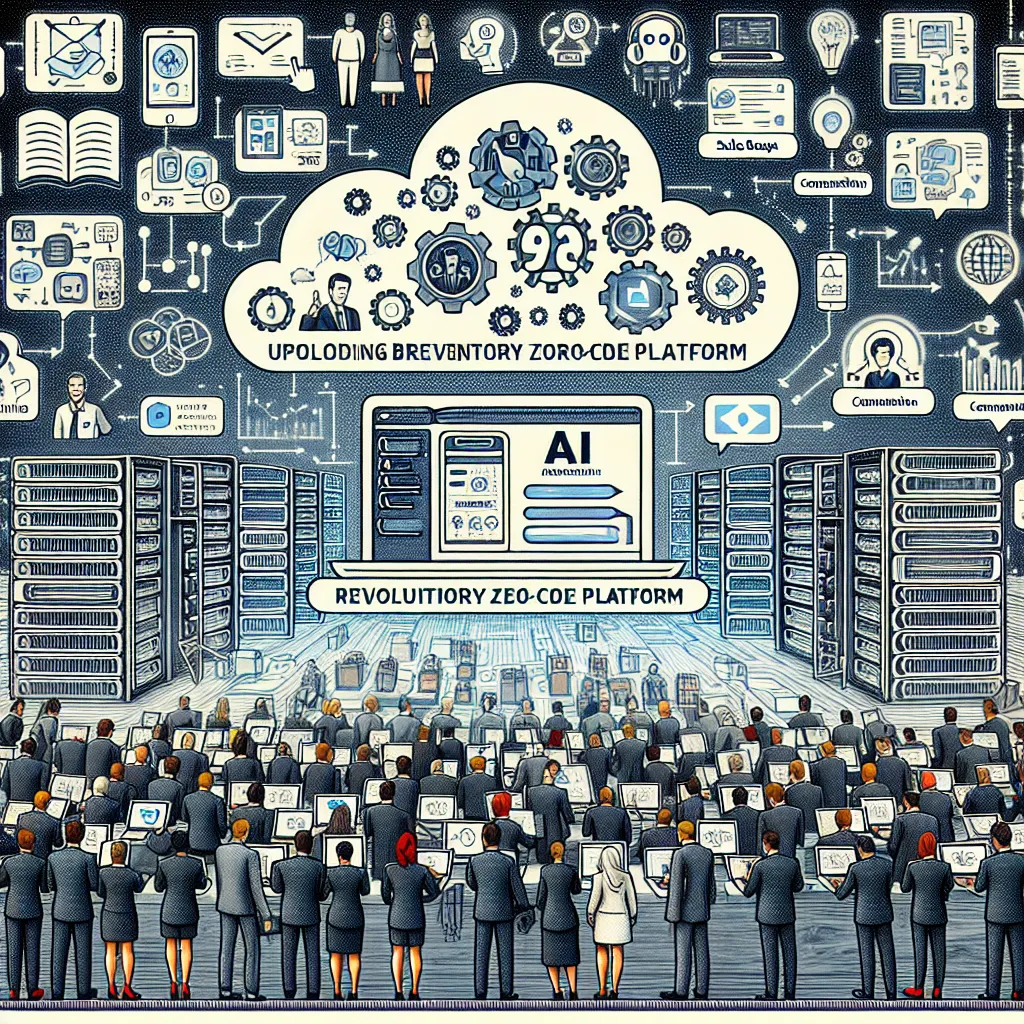
Today, countless individuals have niche knowledge—on sales, finance, HR, or coaching—but no technical skills to turn that into usable SaaS tools. Current AI builders (like GPTs or Zapier) are too abstract or disjointed. The solution is a zero-code platform that turns uploaded content (e.g. documents, slide decks, frameworks) into a functional AI product instantly—like a pitch deck reviewer, compensation advisor, or sales coach. Why now? The infrastructure (RAG, vector databases, multi-agent orchestration) is mature, but packaging it is still too technical. Example: A sales consultant uploads her methodology, and within minutes launches an AI-powered assistant that helps SDRs write better cold emails—deployed as a branded app. The system handles UI, vectorization, and feedback loops automatically. It’s Shopify for micro-AI SaaS.
Description
No additional description provided.
The Pitch
Today, many individuals possess specialized knowledge in areas such as sales, finance, human resources, or coaching. However, they often lack the technical skills necessary to transform that expertise into practical SaaS tools. Existing AI builders like GPTs or platforms like Zapier tend to be either too abstract or fragmented for these individuals' needs.
Enter a new solution: a zero-code platform that allows users to turn their content—such as documents, slide decks, and frameworks—into a fully functional AI product almost instantly. Imagine creating tools like a pitch deck reviewer, a compensation advisor, or a sales coach without needing to write a single line of code.
Why is this important right now? The technological infrastructure needed to support this kind of transformation—such as retrieval-augmented generation (RAG), vector databases, and multi-agent orchestration—has reached a level of maturity. However, despite this maturity, packaging these technologies remains overly technical and inaccessible to most.
Let's look at an example: A sales consultant has developed a robust methodology for writing effective cold emails. Through this platform, she can upload her methodology, and within minutes, launch an AI-powered assistant tailored to help Sales Development Representatives (SDRs) enhance their cold email strategies. This assistant is deployed as a branded application, providing an end-to-end solution without any technical hurdles. The platform manages everything from user interface design to data vectorization and ongoing feedback loops automatically, akin to what Shopify does for e-commerce, but for micro-AI SaaS.
For those interested in bringing this concept to life, several tools can simplify the process of launching a Minimum Viable Product (MVP). These include no-code development platforms, AI libraries, and automated deployment services that facilitate rapid prototyping and iteration. By starting with an MVP, you can validate the idea, gather feedback, and make necessary refinements quickly.
The go-to-market (GTM) strategy could involve targeting niche communities where subject matter experts congregate—such as professional forums, LinkedIn groups, or industry-specific events. Building partnerships with industry influencers who could benefit from converting their expertise into AI-driven products can also be an effective approach. Offering a freemium model can lower the barrier to entry, with premium features providing additional value for advanced users.
As for the business model, subscription-based pricing can provide a recurring revenue stream, with tiers tailored to different user needs. Additional revenue could come from offering bespoke customizations or integrations for larger clients, ensuring that the platform can scale alongside its users.
Overall, this concept taps into the increasing demand for specialized, niche AI tools by democratizing access to AI technology, empowering individuals to easily convert their knowledge into functional software products without the need for technical expertise.