World-Model Simulators for Dynamic Business Decisions
Most strategic decisions inside companies are still made in spreadsheets, slide decks, and gut instinct — even when the systems involved are dynamic, nonlinear, and fragile. This company builds world-model–driven simulators for business operations, letting teams test “what if” scenarios the same way robotics teams test physical environments. Instead of predicting a single outcome, it models how supply chains, pricing changes, staffing decisions, or policy shifts interact over time. The moment is right because world models can now reason over structured systems, not just text. A retail operator could simulate how a supplier delay plus a pricing promotion plus a holiday spike cascades across inventory and cash flow — before committing a single dollar.
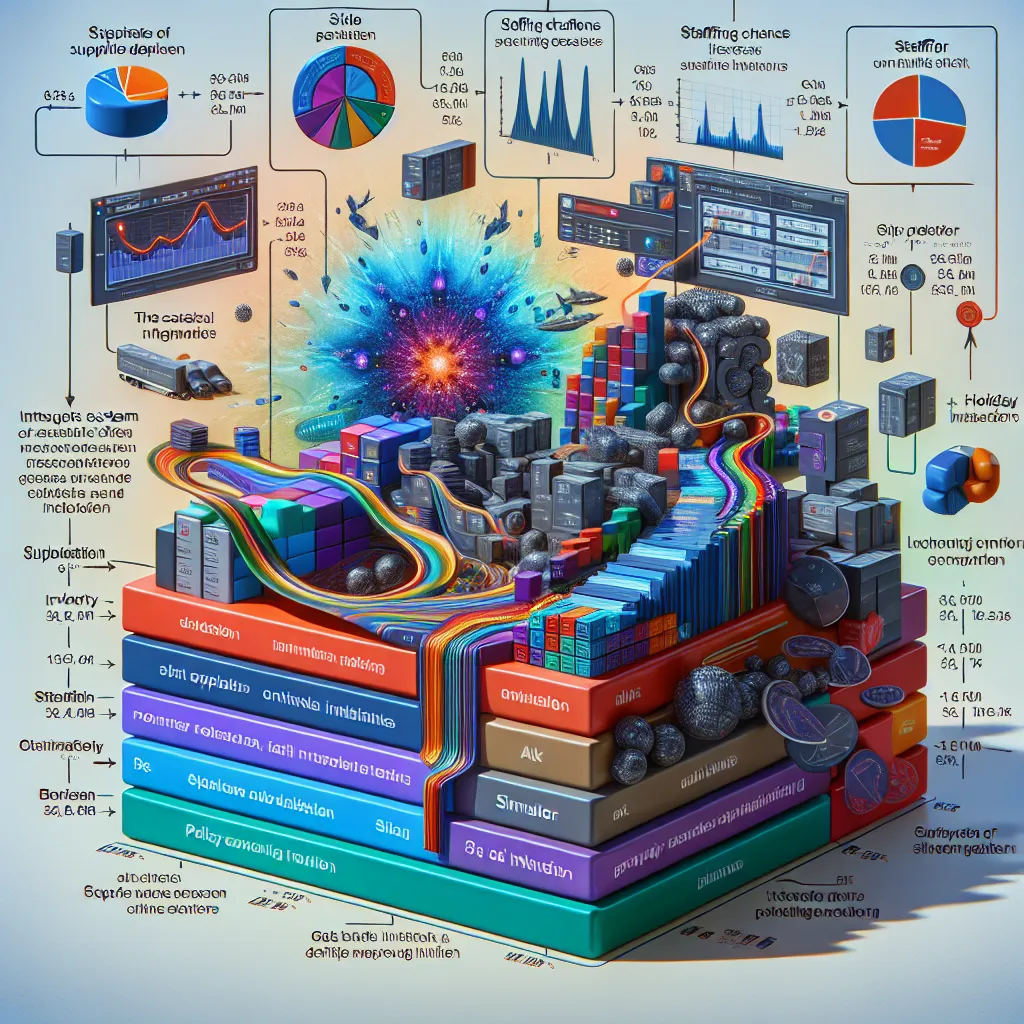
Description
No additional description provided.
The Pitch
In today's rapidly changing business environment, traditional decision-making processes often fail to capture the complexities and dynamics of real-world scenarios. Decisions in many companies are still predominantly based on spreadsheets, slide decks, and gut instincts. However, these tools rarely account for the nonlinear and fragile nature of business systems. The need for a more sophisticated approach is evident, as the consequences of misjudgments can be costly and damaging.
#### The Problem
Businesses face a significant challenge in predicting and managing the outcomes of their strategic decisions. Whether it's supply chain dynamics, pricing adjustments, staffing changes, or policy implementations, the variables involved are numerous and interconnected. A decision in one area can drastically affect others, making it difficult to foresee the potential impact on the overall system. Traditional methods struggle to model these interactions accurately, leading to suboptimal outcomes and increased risks.
#### The Solution
Enter world-model-driven simulators: sophisticated tools designed to help businesses understand and test various what if scenarios in a controlled virtual environment. These simulators enable companies to explore the potential impact of their decisions across different domains before making any financial commitments. By modeling how different variables interact over time, they provide a clearer, more robust picture of potential outcomes, allowing businesses to make informed, strategic decisions.
#### Product Details
The world-model-driven simulator is a powerful software platform equipped to handle complex, dynamic systems. Key features include:
- **Comprehensive Modeling**: Capable of simulating various business operations, from supply chain logistics to staffing and pricing strategies. - **Scalability**: Suitable for businesses of all sizes, from startups to large enterprises. - **User-Friendly Interface**: Intuitive design that doesn't require advanced technical skills to operate. - **Real-Time Analysis**: Provides instant feedback on potential scenarios, allowing for quick iterations and adjustments. - **Integration Capabilities**: Easily integrates with existing business systems and data sources for seamless operations.
#### Tools for Easy MVP Launch
To develop a Minimum Viable Product (MVP) quickly and efficiently, consider leveraging the following tools:
- **Simulation Engines**: Utilize platforms like AnyLogic or Simul8 to build and deploy customized simulations. - **Data Visualization Tools**: Implement tools such as Tableau or Power BI for clear and actionable insights. - **Cloud Services**: Use cloud platforms like AWS or Azure for scalable processing and storage. - **Agile Development Frameworks**: Adopt Agile methodologies to iterate rapidly and refine the product based on user feedback.
#### Go-To-Market Strategy
1. **Target Audience Identification**: Focus on industries heavily reliant on complex operational models, such as retail, logistics, and manufacturing. 2. **Early Adopters Program**: Launch an exclusive program for early adopters, offering discounts and personalized support in return for invaluable feedback. 3. **Partnerships**: Collaborate with consulting firms and industry experts to expand market reach and credibility. 4. **Content Marketing**: Develop educational content highlighting the benefits and real-world applications of the simulator to attract and inform potential users. 5. **Demonstrations and Webinars**: Conduct live demos and webinars to showcase the product's capabilities and effectiveness.
#### Business Model
The primary revenue streams could include:
- **Subscription Fees**: Offer tiered subscription plans, aligned with the scale and complexity of the simulations required by different clients. - **Consulting Services**: Provide expert consulting services to assist companies in customizing and integrating the simulator into their operations. - **Training and Support**: Offer comprehensive training programs and ongoing support for clients to maximize the platform's impact on their organization.
By addressing the current gaps in strategic decision-making with a world-model-driven simulator, businesses can move beyond traditional tools and leverage cutting-edge technology to make proactive, well-informed choices that drive success and growth.