White Belt Incubator: Simplified Path to Entrepreneurship
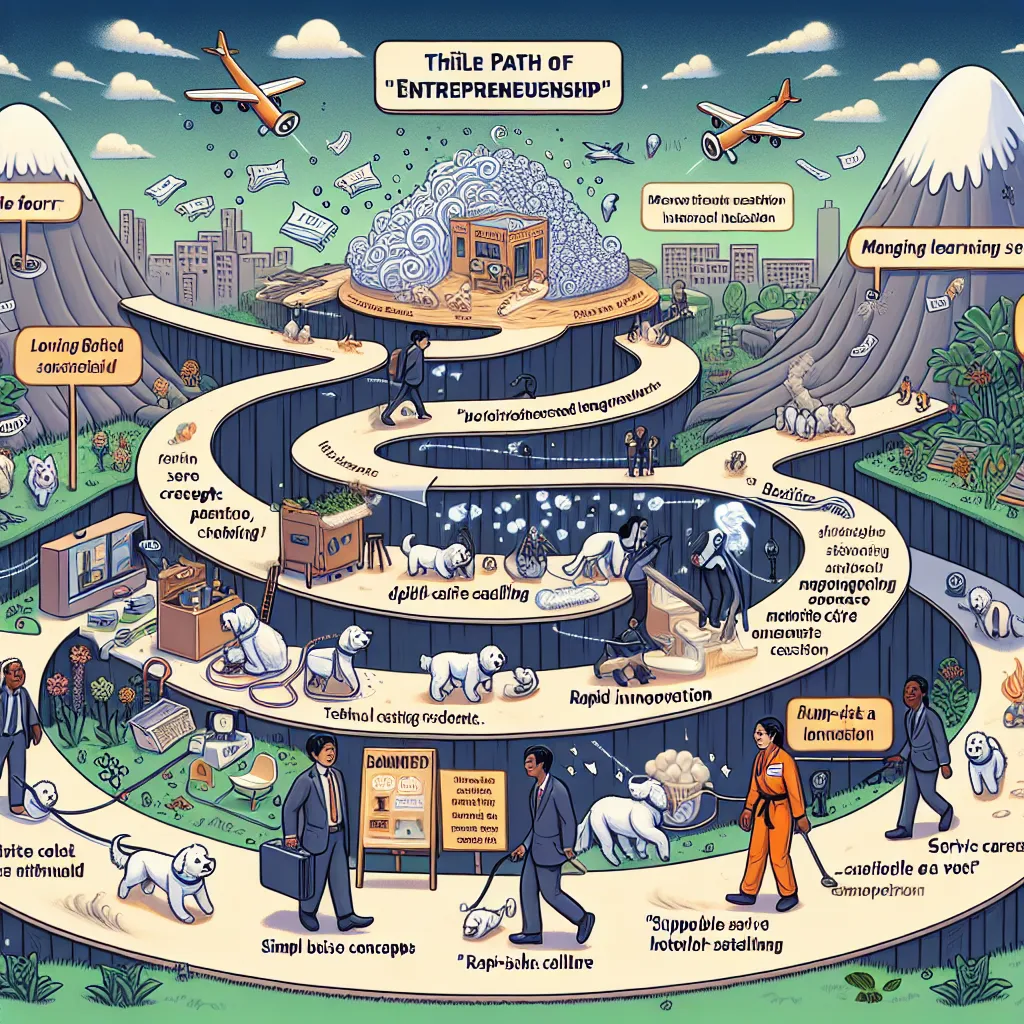
First-time founders often feel overwhelmed by startup culture, which overemphasizes rapid scaling and technical innovation. A “white belt” incubator offers a structured path to entrepreneurship through low-risk, service-based starter businesses with clear instructions, mentorship, and achievable milestones. The goal is to build confidence, capability, and traction before progressing to more complex ventures. Most incubators skip foundational training, yet confidence and execution on simple ideas are critical stepping stones. A recent college grad could launch a local dog-walking business, guided by this incubator, then graduate to managing a multi-city pet care network—all while learning through doing.
Description
No additional description provided.
The Pitch
First-time founders often face an overwhelming landscape, bombarded by startup culture's intense focus on rapid scaling and the pursuit of innovative technology. For those without prior entrepreneurship experience, this environment can seem daunting. The White Belt incubator initiative seeks to address this issue by offering a structured pathway for new entrepreneurs. By focusing on low-risk, service-based starter businesses, this program provides step-by-step guidance, mentorship, and attainable milestones, aimed at building confidence and capability in novices.
Background and Problem:
The entrepreneurial journey can be intimidating, particularly for fresh graduates or individuals transitioning from corporate roles lacking startup experience. Most incubators and accelerators cater to tech-centric ideas, leaving behind those with less complex but equally promising concepts. Founders often miss out on foundational training that fosters confidence and solid execution, crucial for long-term success in more complex ventures. Without proper guidance, many potential entrepreneurs forsake their dreams due to the perceived enormity of the startup world.
Solution:
The White Belt Incubator offers an alternative, serving as a nurturing ground for individuals to ease into the entrepreneurial landscape. By emphasizing simple, service-based businesses, the incubator cultivates an environment where first-time founders can learn crucial business fundamentals. Through mentoring and structured programs, participants progress through a series of milestones designed to enhance their skills and build self-assurance. This approach ensures the development of a solid foundation before moving onto larger, more complex business ventures.
Product Details:
1. Structured Modules: The incubator offers a series of modules that cover essential business skills such as customer discovery, business modeling, financial planning, and marketing strategies.
2. Mentorship Program: Experienced entrepreneurs and business professionals provide personalized guidance and real-world insights, helping participants overcome challenges.
3. Community Support: A collaborative environment encourages peer learning and networking, enabling participants to share experiences and support each other’s growth.
4. Progress Milestones: Clearly defined milestones offer participants a roadmap to measure their progress, ensuring they stay on track and motivated.
5. Real-World Application: The program encourages participants to launch and manage small-scale pilot projects, allowing for practical experience and learning.
Tools for MVP Launch:
1. Business Model Canvas: A tool to outline the core aspects of the new business idea, providing a clear framework for validation.
2. Lean Startup Tools: Resources such as customer development frameworks and validated learning methods to test business assumptions with minimal risk.
3. Digital Platforms: Easy-to-use website builders and marketing tools to establish an online presence quickly and affordably.
4. Financial Planning Software: Simplified tools to manage budgets and forecasts, ensuring participants understand the financial health of their ventures.
Go-To-Market (GTM) Strategy:
1. Local Engagement: Initial focus on capturing a local market segment by building relationships and establishing a strong presence in community platforms.
2. Content Marketing: Leverage storytelling and educational content to build brand authority and attract organic growth.
3. Partnership Collaborations: Form alliances with complementary businesses to increase visibility and access broader audiences.
4. Feedback Loops: Continuous customer feedback mechanisms to refine offerings and adapt to market needs efficiently.
Business Model:
1. Subscription-Based: Participants pay a monthly fee for access to the incubator’s resources, including mentoring, workspace, and education.
2. Success-Based Fee: A small percentage of the revenue from launched ventures can be reinvested into the incubator, aligning interests and promoting growth.
3. Sponsorships and Grants: Collaboration with educational institutions and industry bodies for financial support and credibility.
Conclusion:
The White Belt Incubator seeks to empower first-time founders by breaking down the entrepreneurial journey into manageable, educational experiences. Through structured learning, mentorship, and practical applications, participants gain confidence and capability, readying them for larger, more ambitious entrepreneurial endeavors. This initiative not only nurtures future business leaders but also enriches the broader entrepreneurial ecosystem by encouraging a diverse range of ideas and business innovations.