Weekly Subscription-Based Grocery Delivery Service
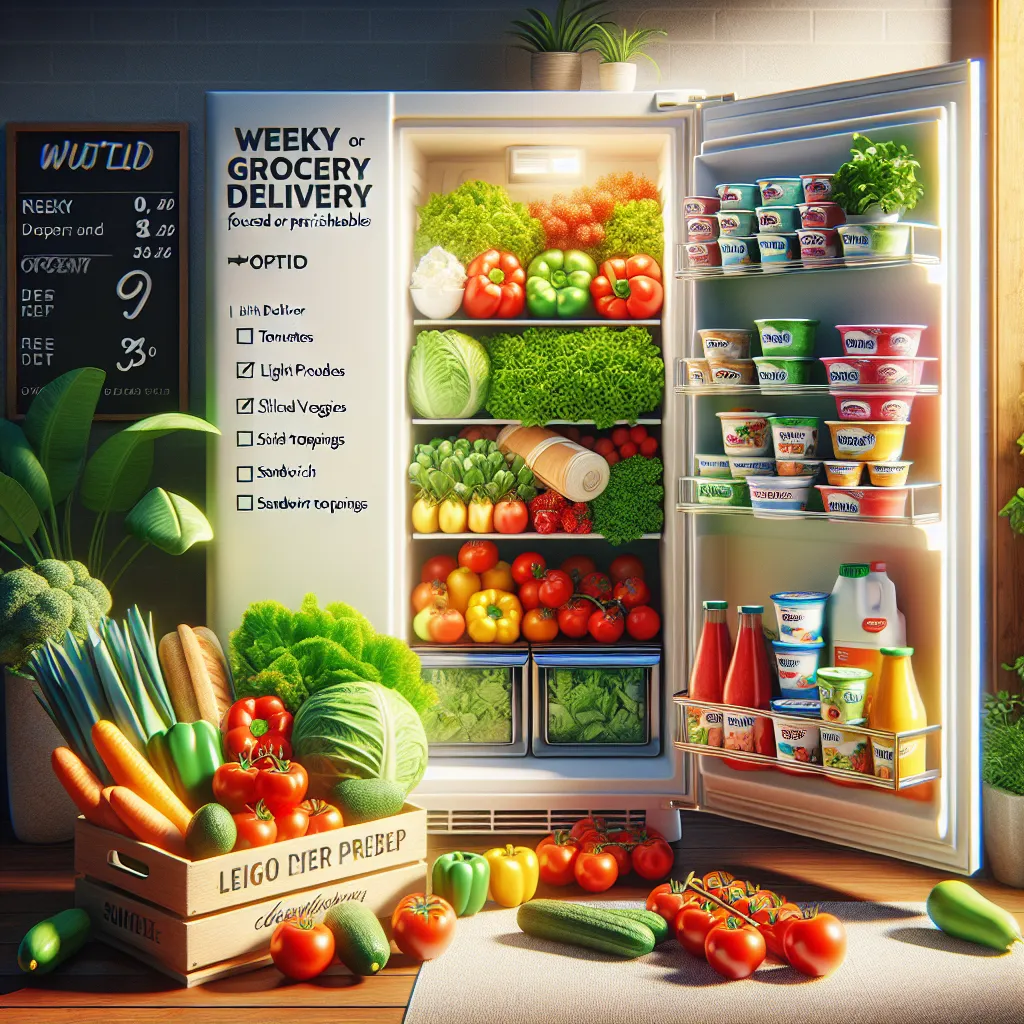
A weekly or bi-weekly subscription grocery delivery service focused on perishable staples (like tomatoes, lettuce, yogurt), with optional light prep (sliced veggies, sandwich toppings). Think: “Jimmy John’s, but ingredients delivered prepped to your fridge every week.”
Description
No additional description provided.
The Pitch
Maintaining a balance between work life, personal life, and healthy eating is a challenge many face. Often, due to time constraints, many resort to either dining out or ordering unhealthy fast food, which may have long-term health implications. Recognizing this issue, there's a growing need for solutions that can simplify the process of preparing home-cooked meals without compromising on health or flavor.
Problem
Many households struggle to consistently source fresh and healthy ingredients for daily meals. The frequent need to shop for perishable groceries can be time-consuming and is often a repetitive strain on busy individuals and families. Additionally, food waste becomes an issue when consumers over-purchase perishable items or lack the time and energy to prepare them before spoilage.
Solution Overview
Introducing a subscription-based grocery delivery service that focuses on providing perishable staples like tomatoes, lettuce, yogurt, with options for light prep work such as sliced vegetables and sandwich toppings. This service aims to marry the convenience of fast food with the health benefits and personalization of home cooking. Customers can enjoy the efficiency of having the necessary ingredients delivered right to their doorstep on a weekly or bi-weekly basis, ready to be used immediately or with minimal preparation.
Product Details
1. **Subscription Flexibility**: Offering weekly and bi-weekly subscriptions allows customers to choose a delivery schedule that best matches their lifestyle. 2. **Product Categories**: - **Basic Staples**: Includes daily essentials like bread, milk, eggs, lettuce, and tomatoes. - **Prepped Produce**: Lightly prepared vegetables and fruits such as sliced onions, chopped carrots, and peeled oranges. - **Specialty Items**: Yogurt, artisan cheeses, and other products that cater to diverse diets and tastes. 3. **Packaging and Storage**: Utilize eco-friendly, reusable packaging that ensures freshness and supports sustainability.
Tools and Technologies
- **E-commerce Platform**: Shopify or WooCommerce for website front-end and sales management. - **Inventory Management Software**: Tools like Sortly or Zoho Inventory to keep track of stock levels, expiry dates, and procurement needs. - **Delivery Logistics**: Partnering with logistics companies that offer refrigerated transport or investment in own temperature-controlled logistics solutions. - **Customer Relationship Management (CRM)**: HubSpot or Salesforce for managing customer relationships, feedback, subscriptions, and personalized marketing campaigns.
Go-to-Market Strategy
1. **Target Market Analysis**: Understand the demographics, purchasing behaviors, and dietary preferences of the target market. 2. **Pilot Launch**: Start with a limited geographic area to gather data and feedback before scaling up operations. 3. **Marketing Campaigns**: - **Digital Marketing**: SEO, PPC, and social media campaigns on platforms like Facebook and Instagram to create brand awareness. - **Community Involvement**: Participate in local events and farmer’s markets to build local support and gain direct customer feedback. 4. **Subscription Incentives**: Offer the first month at a discount, referral bonuses, and seasonal promotions to attract and retain customers.
Business Model
- **Revenue Streams**: - **Subscription Fees**: Customers pay a recurring fee based on their chosen subscription plan. - **Add-ons and Customizations**: Additional charges for extra items, special dietary options, or more frequent deliveries. - **Cost Structure**: - **Procurement Costs**: Expenses related to sourcing and purchasing groceries. - **Operational Expenses**: Logistics, employee salaries, technology maintenance, and marketing. - **Profitability Strategy**: Focus on building a dense customer base in select areas to optimize delivery routes and reduce transportation costs, thus improving margins. Conclusion
The proposed service leverages the increasing demand for healthy, convenient food solutions by offering a unique product that saves time, reduces waste, and supports a healthier lifestyle. With a strong go-to-market strategy and robust business model, this venture is poised for success, bringing ease and health directly to consumers' doorsteps.