Wearable Ultrasound: AI-Powered Healing for Pain
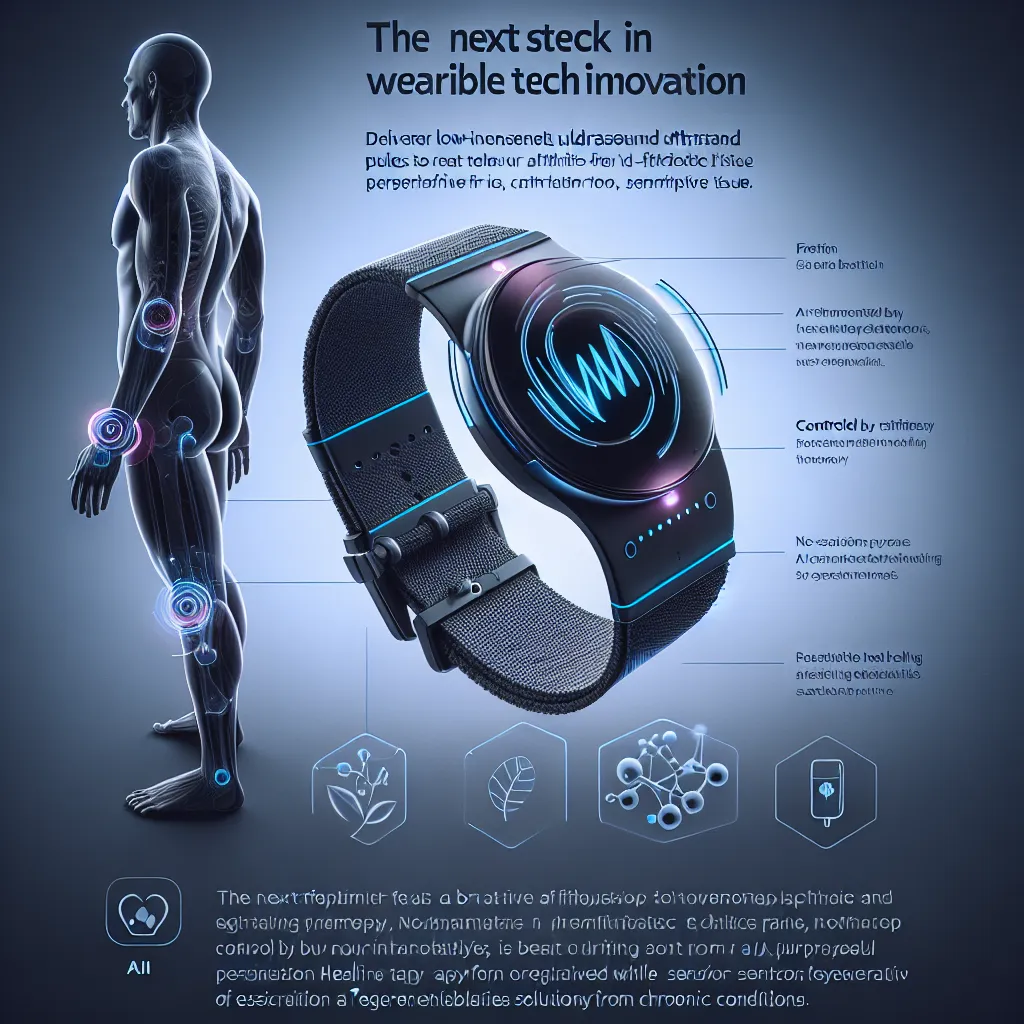
Low-intensity ultrasound isn’t just for killing cells — it can modulate inflammation, improve blood flow, and accelerate healing. But it’s trapped in physical therapy labs. A company could create a wearable patch that delivers programmed ultrasound pulses to treat chronic pain, arthritis, or fibrotic tissue — personalized by AI from sensor feedback. It’s non-pharmaceutical, noninvasive, and subscription-based. As people search for drug-free solutions to chronic conditions, a wearable acoustic therapy line could sit between Fitbits and medical devices. Imagine wearing a sleek band that quietly sends healing waves to your knee while you walk — the Apple Watch of regenerative therapy.
Description
No additional description provided.
The Pitch
In recent years, the demand for non-pharmaceutical and noninvasive treatments for chronic conditions has surged. People are actively seeking alternatives that provide effective healing without the side effects associated with traditional medication. This landscape presents a unique opportunity to revolutionize pain management and tissue healing through a cutting-edge technology: low-intensity ultrasound.
Background:
Low-intensity ultrasound has long been utilized in physical therapy settings to modulate inflammation, enhance blood flow, and accelerate healing. Traditionally confined to professional therapeutic environments, this powerful technology has the potential to break free from these confines and enter personal health management in a form that is both accessible and efficient.
The Problem:
Many individuals suffering from chronic pain, arthritis, or fibrotic tissue find themselves trapped in cycles of medication dependency. The side effects of pharmaceuticals and the inconvenience of frequent clinic visits contribute to an ongoing struggle to find balance and relief. Moreover, current solutions often lack personalization tailored to individual needs and conditions.
The Solution:
Introducing a wearable patch that delivers programmed low-intensity ultrasound pulses, designed to treat chronic pain, arthritis, and fibrotic tissue. This innovative product leverages advancements in AI technology to personalize treatments based on real-time sensor feedback. By continuously collecting and analyzing data, the device can adjust therapy parameters to optimize healing, offering users a customized therapeutic experience.
Product Details:
The proposed product is a sleek, user-friendly band that wraps comfortably around joints or areas of concern. Discreet and efficient, it harnesses the power of ultrasound to send healing waves directly to targeted areas.
Key Features: - AI-driven personalization based on sensor feedback - Non-pharmaceutical and noninvasive treatment - Integrated technology for seamless data tracking - Compatible with mobile app for user control and insights
Technology and Tools:
To realize this vision, the following technologies and tools are required:
- Ultrasound technology: Compact and efficient ultrasound transducers. - Sensor technology: Advanced sensors capable of capturing real-time physiological data. - AI algorithms: Machine learning models to analyze sensor data and personalize treatment. - Wireless connectivity: For seamless integration with a mobile application.
Minimum Viable Product and Launch Strategy:
To bring this product to market, the initial rollout should focus on developing a Minimum Viable Product (MVP) that captures core functionalities. This includes a basic wearable device with ultrasound capability, initial AI algorithms for treatment personalization, and a simple app interface.
Key Steps: 1. Prototype Development: Design and test an early version of the device with essential features. 2. User Testing: Engage with a select group of beta users to gather feedback and refine user experience. 3. Regulatory Approvals: Ensure compliance with healthcare device standards. 4. Strategic Partnerships: Collaborate with healthcare providers to establish credibility and integrate the device into existing therapeutic frameworks.
Go-To-Market Strategy:
1. Identify Target Audience: Focus on individuals seeking drug-free pain management solutions, particularly those with chronic pain or arthritis. 2. Awareness Campaigns: Use social media, health blogs, and influencer partnerships to create buzz and educate potential customers about the benefits of ultrasound therapy. 3. Healthcare Partnerships: Partner with clinics and physical therapists to recommend the device as a complementary treatment option. 4. Subscription Model: Offer recurring packages that provide not only the initial device but also ongoing access to software updates and personalized treatment plans.
Business Model:
The business model is centered around a subscription-based service, providing users with the wearable device and continuous access to evolving AI-driven therapy. This approach ensures a steady revenue stream and fosters long-term customer engagement.
Conclusion:
The development and launch of a wearable low-intensity ultrasound device represent a significant leap forward in noninvasive treatment for chronic conditions. As awareness of drug-free alternatives grows, this innovation positions itself as a transformative force in personalized healthcare, offering relief and improved quality of life for millions.