Wearable Sensor for Real-Time Drug Diffusion Monitoring
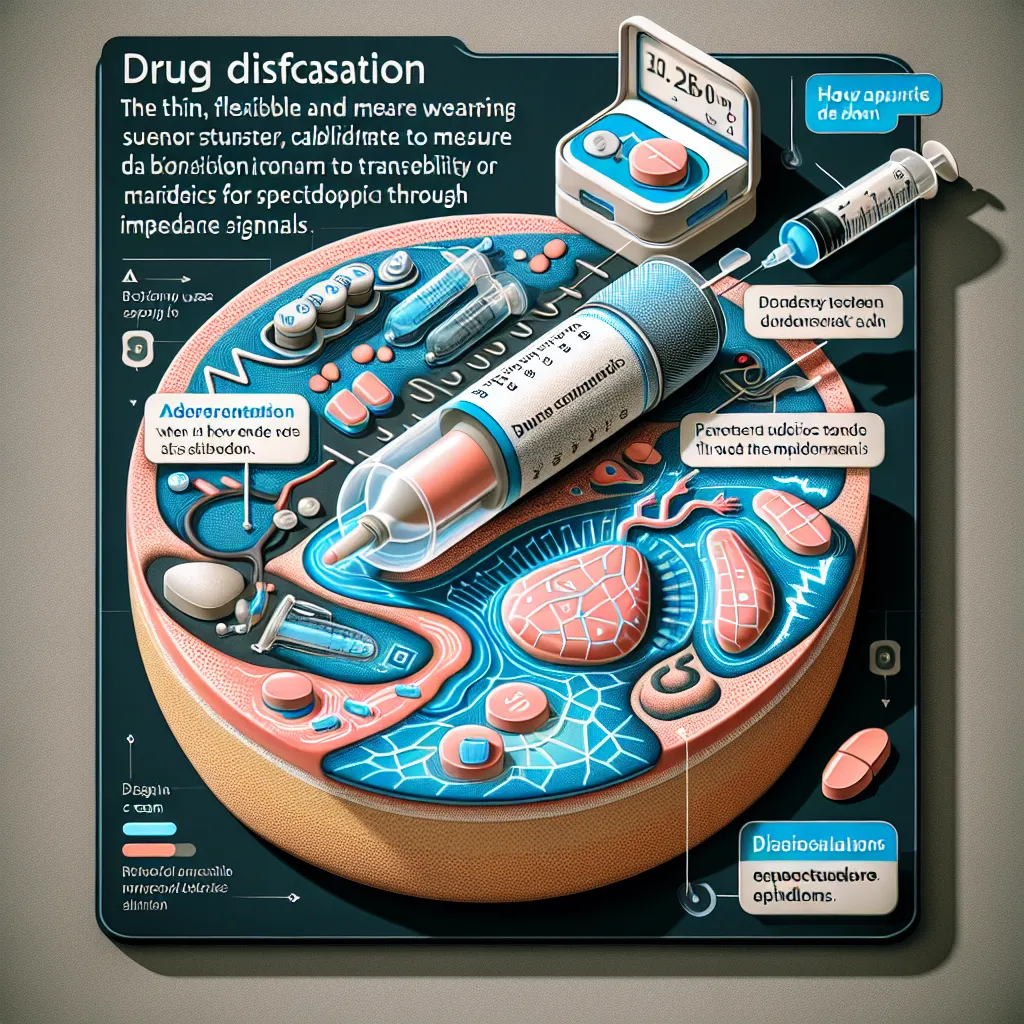
Even if biologics can be delivered through skin, dosage uncertainty becomes a new challenge—how much entered the bloodstream and when? Recent polymer-based penetration advances create demand for a new hardware product: a thin wearable sensor that measures drug diffusion through skin in real time using spectroscopy or impedance signals. The “why now” is that such monitoring wasn’t useful until biologics could move through the epidermis; now it’s essential. A doctor prescribing a transdermal insulin cream could pair it with a sensor sticker that alerts patients or caregivers when a full dose has been absorbed or if reapplication is needed.
Description
No additional description provided.
The Pitch
Advancements in drug delivery, particularly for biologics, have opened up new possibilities for patient care. These therapeutic agents, previously restricted to injections due to their molecular properties, can now be administered through the skin, thanks to innovations in polymer-based penetration enhancers. However, with this breakthrough comes the challenge of accurately monitoring the dosage delivered through the skin. Traditionally, the precise amount of a transdermal drug that reaches the bloodstream has been difficult to measure, leaving room for uncertainties in dosing precision.
**The Problem**
The core issue is dosage uncertainty in transdermal biologic delivery. When a biologic is applied to the skin, it is crucial for healthcare providers and patients to know how much of the drug is actually being absorbed into the bloodstream and at what rate. Without precise monitoring, there is a risk of underdosing or overdosing, which can compromise the efficacy of treatment or lead to adverse effects.
**The Solution**
A promising solution to this problem is the development of a wearable sensor device that can monitor drug diffusion in real-time. By utilizing advanced techniques such as spectroscopy or impedance measurement, this sensor can provide immediate feedback on the status of drug absorption. Such a device would enable patients to optimize their dosing schedules, ensuring they receive the correct amount of medication at the proper intervals.
**Product Details**
The proposed product is a thin, flexible sensor that adheres comfortably to the skin. This sensor should be designed to work seamlessly with various transdermal drug formulations, offering compatibility with a range of biologics. The primary features of the sensor would include:
- Real-time monitoring of drug absorption using spectroscopy or impedance signals - Integration with mobile applications to provide users and healthcare providers with instant feedback and dosage alerts - Bluetooth connectivity for easy data transmission and logging - A discreet, user-friendly design suitable for continuous wear
**Tools for MVP Launch**
To bring this product to market as a Minimum Viable Product (MVP), the following tools and resources would be beneficial:
- Rapid prototyping platforms for hardware development - Access to spectroscopy or impedance measurement technology - Collaboration with healthcare professionals and pharmaceutical companies for testing and validation - Mobile app development frameworks for creating companion applications - Bluetooth module integration for seamless communication
**Go-To-Market Strategy**
The go-to-market strategy would include:
1. Partnering with pharmaceutical companies to integrate the sensor with existing and newly developed transdermal therapies. 2. Collaborating with healthcare providers to demonstrate the efficacy and safety of the device, securing endorsements and certifications. 3. Targeting marketing efforts at endocrinologists, dermatologists, and other specialists involved in the prescription of biologics. 4. Utilizing digital platforms to engage and educate potential users, highlighting the benefits of improved treatment adherence and control.
**Business Model**
The business model could involve:
- A direct-to-consumer approach, offering customers the sensor device paired with specific transdermal drug applications. - Subscription-based services for ongoing sensor monitoring and data analysis through the companion app. - Collaborations with healthcare institutions for bulk purchasing arrangements, ensuring the device is available to a wide patient base. - Potential licensing opportunities with pharmaceutical companies for integration into their drug delivery systems.
In conclusion, addressing the challenge of dosage uncertainty in transdermal biologics offers an innovative opportunity to improve patient outcomes. By leveraging cutting-edge sensor technology, this solution not only enhances drug delivery but also empowers patients and healthcare providers with actionable insights for better health management.