Wearable Heat-Sensing Tech for Firefighter Safety
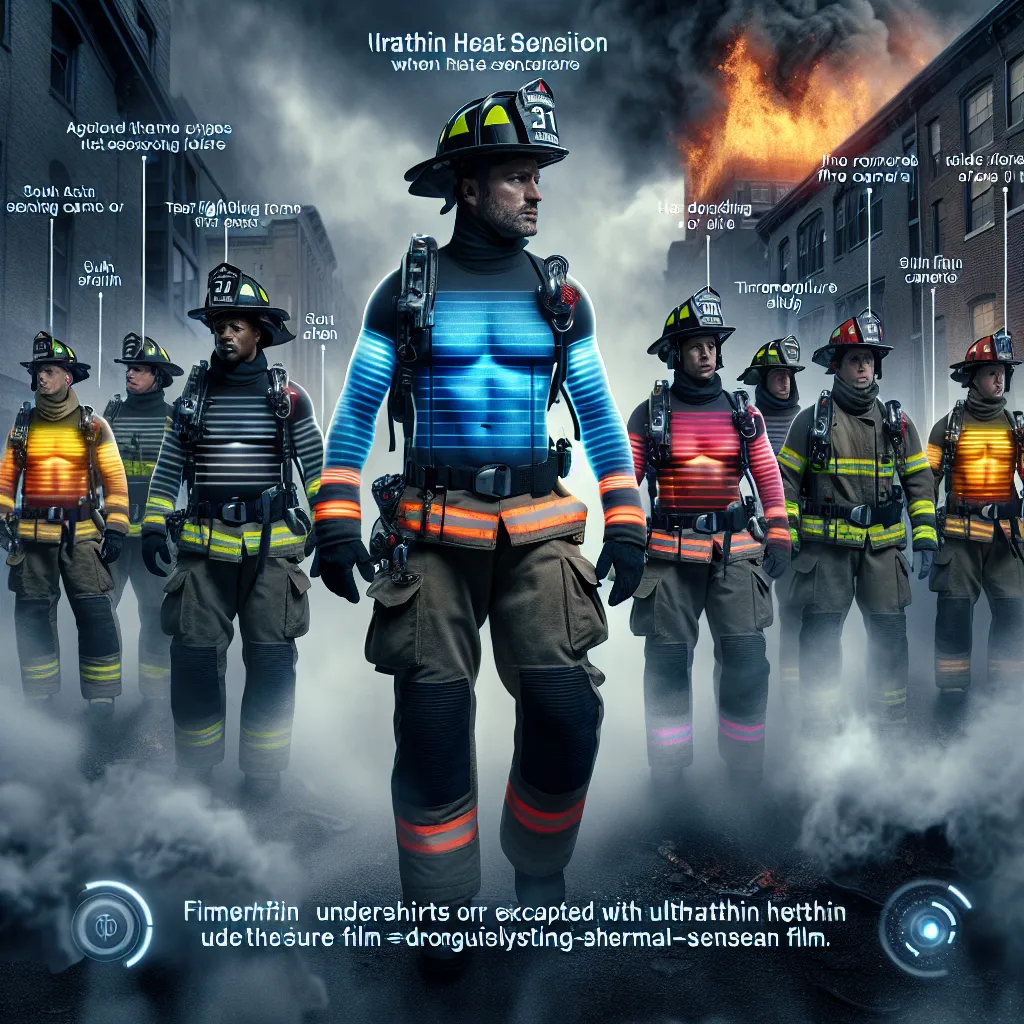
Firefighters use bulky handheld thermal cameras to find people through smoke or track their own team members. But those tools are hard to manage in chaotic, low-visibility environments. This new ultrathin film could be embedded directly into their undershirts or jackets, creating a wearable heat-sensing layer that sends alerts when body temperature spikes or nearby heat sources shift dangerously. It removes the need to aim a camera and lets them stay hands-free and hyper-aware. Fire tech is advancing slowly—this could save lives on both ends of the hose.
Description
No additional description provided.
The Pitch
In the realm of firefighting, the safety of the team is paramount yet challenging to manage effectively in unpredictable and dangerous environments. Currently, firefighters rely on handheld thermal cameras to locate people through dense smoke or to keep track of team members. Although useful, these devices can be cumbersome and difficult to handle amidst the chaos, requiring one hand and constant attention just when full focus on the surroundings is most critical.
A transformative solution arises with the development of an ultrathin film technology that can be integrated into firefighters' undershirts or jackets. This innovative material acts as a wearable heat-sensing layer, capable of sending real-time alerts if the wearer’s body temperature spikes or if there are dangerous changes in nearby heat sources. The integration of this technology allows firefighters to remain unhindered in their duties, eliminating the need to operate bulky cameras and providing hands-free, enhanced situational awareness during operations.
Product Details and Development
The core of the product is the ultrathin, flexible, and highly sensitive thermal film. This technology is designed to be lightweight and durable, seamlessly integrated into existing firefighter apparel. The film is paired with a compact wireless transmitter that communicates data to a central hub or directly to firefighters' communication devices, using a secure short-range protocol to ensure privacy and reliability even in challenging conditions.
The film features: - High thermal sensitivity to accurately detect temperature variations and movements. - Durability to withstand high heat, moisture, and rough usage typical in firefighting scenarios. - Compatibility with standard firefighting gear to ensure easy adoption without altering existing uniforms significantly.
Tools for MVP and Launch
To swiftly bring this product to market, the initial focus should be on developing a Minimal Viable Product (MVP) that demonstrates the core functionality and viability. Tools and platforms commonly used in developing wearable technology include:
- Flexible electronics manufacturing kits for prototype development. - IoT platforms like Arduino or Raspberry Pi for preliminary data processing and transmission. - App development frameworks for creating user interfaces on mobile devices or wearable displays. - Cloud services for data storage and advanced analytics to support decision-making during and after missions.
GTM Strategy and Business Model
The Go-To-Market (GTM) strategy would center on partnerships with firefighting equipment manufacturers and agencies to showcase the technology’s potential through trials and demonstrations. Engaging directly with firefighters via workshops helps refine the product based on real-world feedback.
Outreach efforts should also involve collaborations with industry bodies and safety organizations to advocate for the adoption of innovative firefighting solutions. Leveraging trade shows and online communities focused on emergency services can generate interest and credibility.
The business model can revolve around a direct sales strategy to municipal firefighting departments backed by subscription-based services for continuous software support and upgrades. Another revenue stream could involve licensing agreements with firefighting apparel producers who integrate this technology into their product lines.
In conclusion, employing a cutting-edge wearable heat-sensing layer can significantly enhance firefighter safety and operational efficiency. This solution promises a new era of smarter, faster, and safer firefighting, with the potential to save lives and limit property damage in the face of adversity.