Wave-Fee Model Boosts Service Company Cash Flow
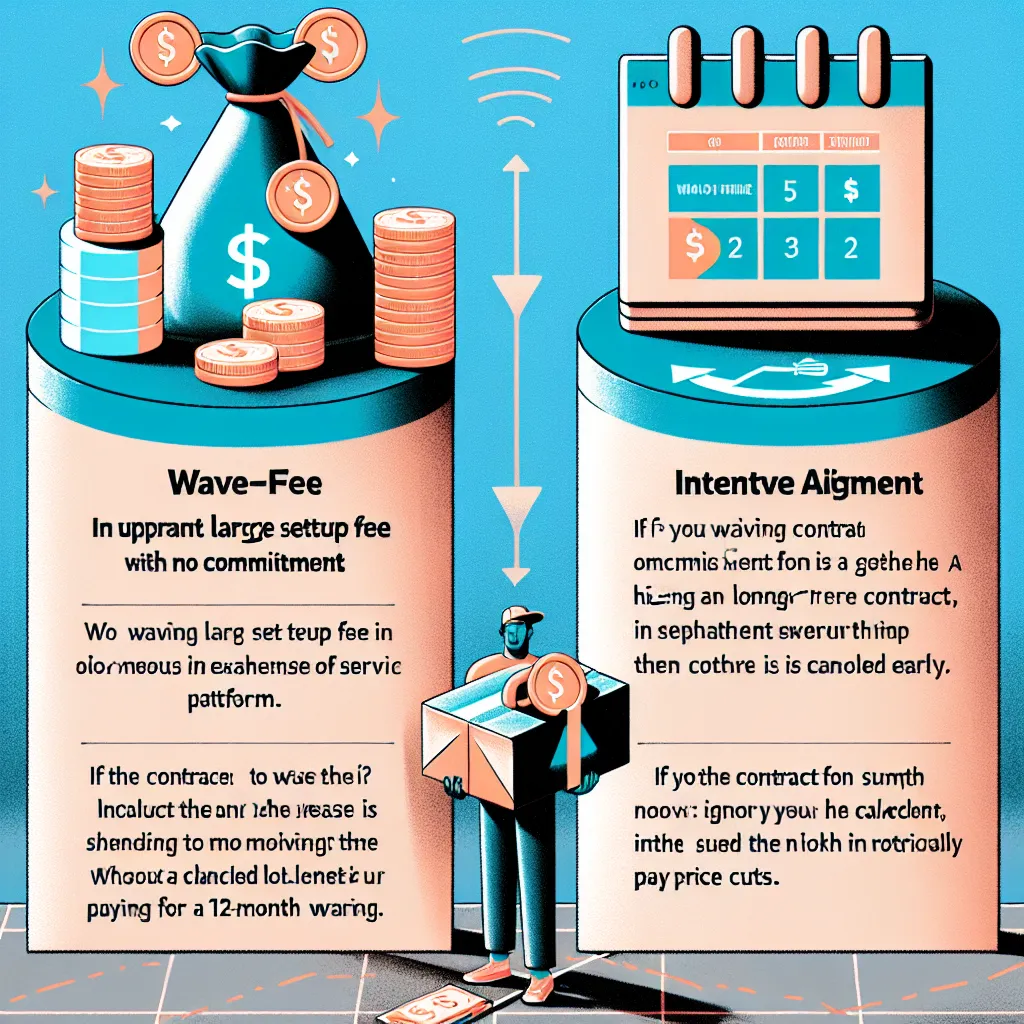
Cash flow issues cripple many service companies. The wave-fee model addresses this by offering customers two options: pay a large setup fee with no commitment, or waive the fee in exchange for a longer-term contract. If a customer later cancels early, they simply pay the waived amount. This incentivizes commitment and smooths revenue for the business. For instance, a global hiring platform might waive a $5,000 onboarding fee if the client commits to a 12-month engagement. If they cancel after six, they pay the fee retroactively. This structure aligns incentives, increases conversions, and adds stickiness without needing price cuts.
Description
No additional description provided.
The Pitch
Service-oriented companies often face significant cash flow challenges. These issues can hinder growth, create operational difficulties, and weaken a company's competitive position. The wave-fee model offers an innovative solution to these problems by providing a strategic pricing structure that fosters client commitment and stabilizes revenue streams.
Backstory
In the competitive landscape of service companies, cash flow management is a critical concern. Many businesses struggle to maintain stable revenues due to irregular payments, seasonal demand, and short-term client engagements. This inconsistency can disrupt operations, lead to missed opportunities, and place undue pressure on financial resources. Traditional pricing strategies often require steep initial fees that can deter potential clients or necessitate significant discounts to incentivize longer engagements.
Problem
The core challenge lies in balancing the need for immediate revenue against fostering long-term client relationships. High setup fees can dissuade potential clients from committing, while heavy discounts can devalue the service and strain profit margins. Furthermore, without a structured commitment from clients, businesses face uncertainty in revenue forecasting, impacting their ability to plan and invest in growth opportunities.
Solution
To address these challenges, the wave-fee model proposes a dual pricing strategy. Clients have two options: they can choose to pay a sizable setup fee upfront with no commitment, or they can waive this fee in exchange for agreeing to a longer-term contract. If a client chooses to terminate the contract early, they simply pay the previously waived setup fee before parting ways. This model not only incentivizes clients to commit for longer periods but also provides businesses with more predictable income streams, enhancing their ability to manage cash flow.
Product Details
1. Setup Fee Structure: Determine an attractive setup fee that would be significant enough to incentivize a client towards long-term commitments rather than an upfront payment.
2. Contract Terms: Clearly define the terms of the contract, including the length of commitment required for the fee waiver and the conditions under which the waived fee must be paid if the contract is terminated early.
3. Incentive Alignment: Align incentives by ensuring that the waived fee aligns with service delivery costs and does not compromise company margins if applied retroactively.
Tools for Easy MVP Launch
1. Pricing Calculator: Develop a digital tool that helps prospective clients easily understand the cost implications of choosing either payment option.
2. Contract Management Software: Utilize software that can seamlessly generate contract agreements with clear terms and automatically calculate any retroactive fees if a contract is canceled early.
3. Customer Relationship Management (CRM) System: Implement a CRM that tracks client engagements, contract terms, and billing schedules to maintain accurate revenue forecasting and client communication.
GTM Strategy
1. Targeted Outreach: Focus on reaching out to prospects who may currently be deterred by high initial fees and demonstrate the long-term value of committing through the wave-fee model.
2. Educational Campaigns: Launch marketing campaigns that educate potential clients on the financial and operational benefits of committing to longer contracts through explainer videos and case studies.
3. Strategic Alliances: Partner with complementary service providers or industry influencers to endorse and promote the wave-fee model as a best practice for cash flow management.
Business Model
The wave-fee model transforms a business's pricing strategy by creating a dual incentive structure that encourages long-term engagements and smooths revenue flows. Businesses can benefit in the following ways:
- Increased Client Retention: By lowering the initial financial barrier, companies can attract more clients and foster long-term relationships. - Stabilized Cash Flow: Predictable revenue streams enable better financial planning and investment in growth opportunities. - Enhanced Competitive Edge: A unique pricing strategy can differentiate the company in the marketplace, increasing appeal to prospective clients.
By implementing the wave-fee model, service companies can effectively navigate cash flow challenges, enhance client relationships, and position themselves strongly in the market.