Water Taxi Rollup
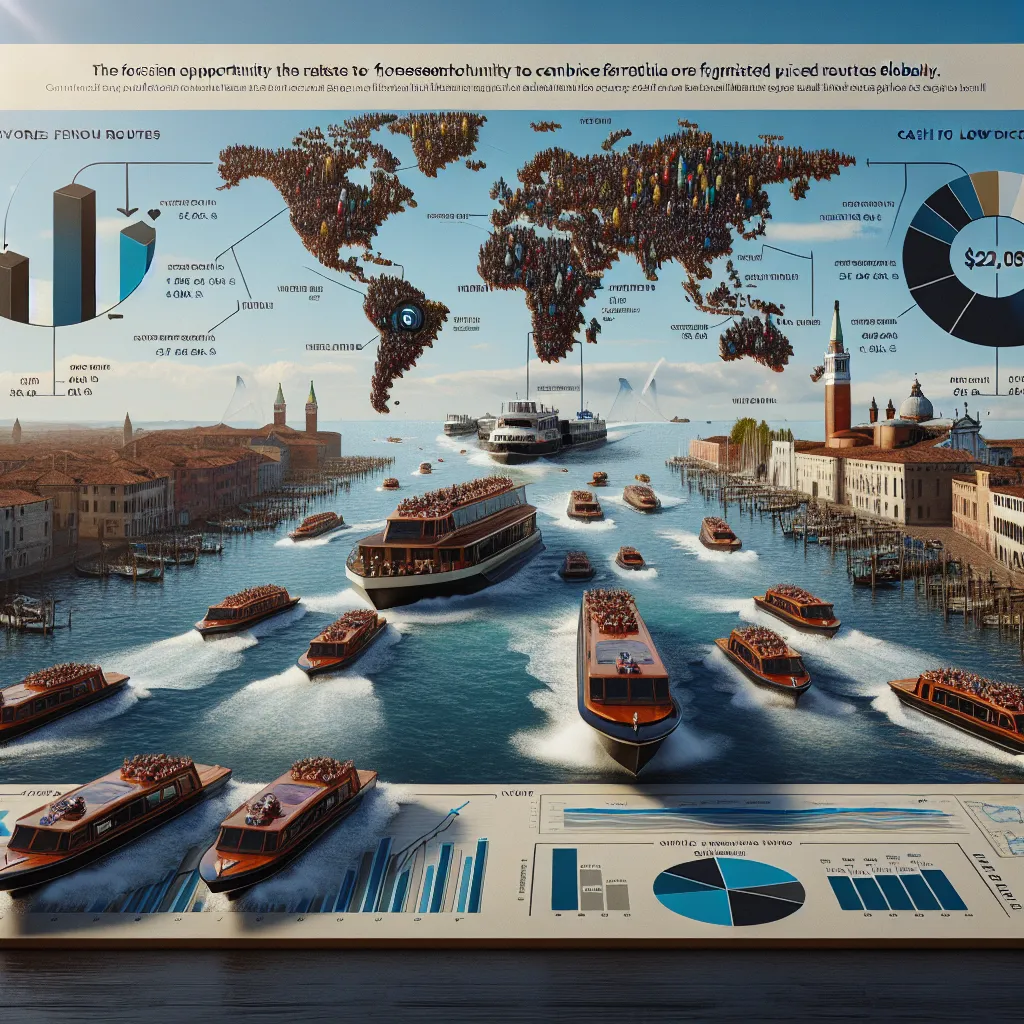
A water taxi rollup presents a massive opportunity in the $160B short boat trip market, which is highly fragmented with many small owner-operators. As these business owners retire, there’s a chance to acquire and consolidate water taxi routes worldwide. High-demand routes, like those without alternative transportation, command premium pricing—Venice water taxis charge $100 for a 5-mile trip. While seasonality is a challenge, rolling up global businesses can balance revenue across different climates. The business model involves charging per trip, with upfront capital required for acquisitions. Long-term, this could be a cash flow powerhouse or an attractive acquisition target for a major transport company like Uber.
Description
No additional description provided.
The Pitch
In the bustling $160 billion short boat trip industry, a unique opportunity is emerging to revolutionize the way we think about water transportation. Numerous small owner-operators currently dominate this highly fragmented market. As these operators approach retirement, there's a critical opening to acquire and unify these businesses under a single flagship umbrella, optimizing the efficiency and reach of water taxi services worldwide.
This venture seeks to capitalize on high-demand water taxi routes, particularly those where no viable transportation alternatives exist, enabling the command of premium pricing. A key example is in Venice, where water taxis successfully charge up to $100 for just a 5-mile trip. Despite the challenge of seasonality in some parts of the world, this can be adeptly managed through strategic global acquisitions, ensuring a balanced revenue stream throughout the year.
The go-to-market strategy focuses on identifying and acquiring small-scale operators with strategic routes, integrating these routes into a unified, scalable network. By standardizing services and leveraging economies of scale, we can enhance operational efficiency and reduce costs, passing on these benefits to the end consumers and increasing market penetration. The targeted marketing efforts will center on regions with higher demand and fewer weather-induced operational disruptions, gradually expanding as the network solidifies and becomes more robust.
The primary revenue model for this enterprise will be straightforward: charging passengers per trip. The initial phase will require substantial capital investment to fund acquisitions and integrate systems across the board. However, this upfront expenditure is expected to yield significant long-term returns, transforming this venture into a veritable cash flow engine. Additionally, the consolidated power and reach of this integrated network offer an attractive proposition for potential future acquisitions by larger transport entities, such as major transport companies looking to diversify their offerings, such as Uber.
Unique product features include a unified booking platform, enhanced safety and service protocols, and a loyal customer program which can offer discounts and perks based on usage. Furthermore, our commitment to sustainability can be seen in efforts to incorporate eco-friendly boats and technologies, reducing the ecological footprint of our operations and appealing to environmentally conscious consumers.
The timing is ripe, the market is vast, and the potential for impact is immense. As transportation continues to evolve, this initiative stands at the forefront, ready to set sail and redefine waterway commuting on a global scale.