VR Sandbox for Seamless Human-Robot Collaboration
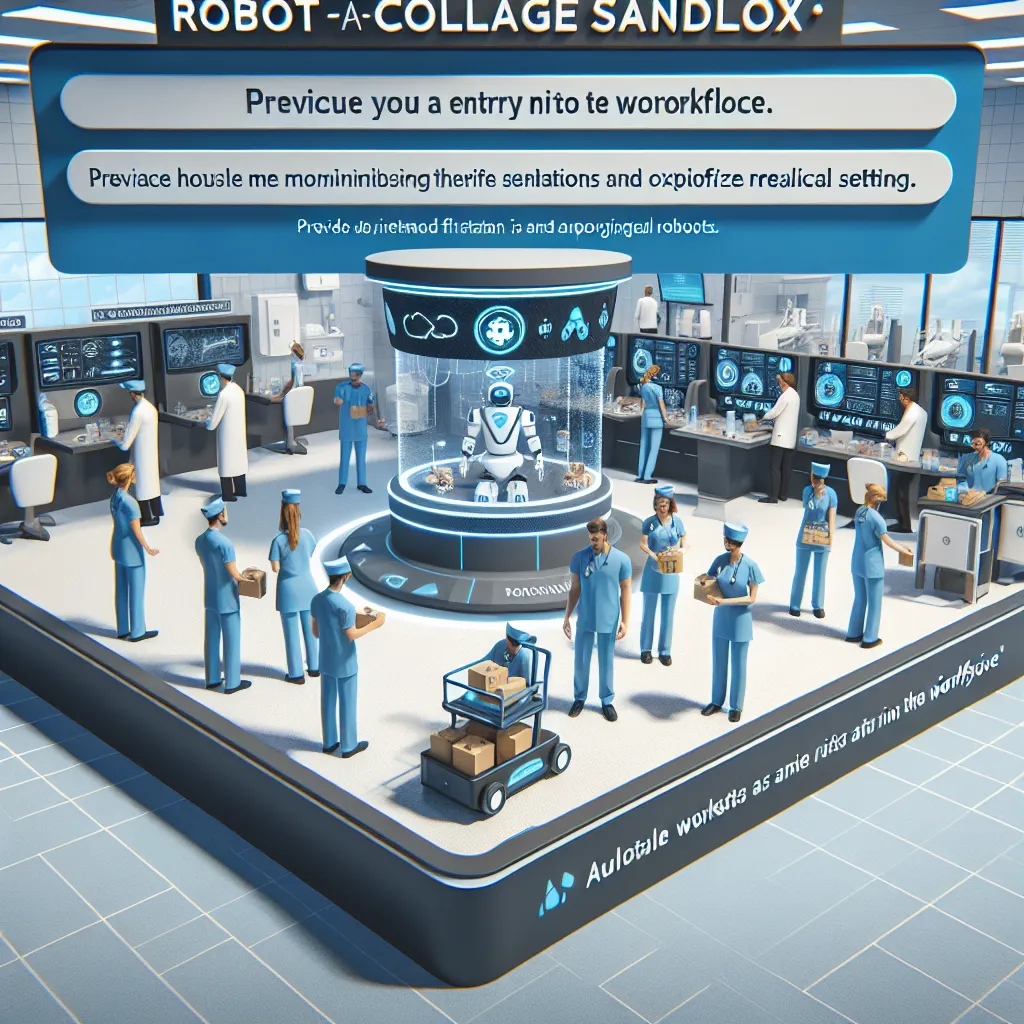
As polyfunctional robots enter the workforce, employees often resist or misuse them due to fear, lack of understanding, or poor workflows. The Robot-as-a-Colleague Sandbox is a VR/AR platform where workers interact with simulated robots in a realistic environment before they ever meet the real machines. This helps companies optimize human-robot workflows, reduce friction, and improve trust. Backed by Gartner’s Polyfunctional Robots trend, which predicts robots will soon perform multiple tasks in dynamic environments, the Sandbox enables better onboarding and team alignment. A hospital could use it to train nurses alongside a virtual assistant robot that delivers meds and restocks supplies—ensuring smooth integration when the physical bot arrives.
Description
No additional description provided.
The Pitch
With the increasing integration of polyfunctional robots into various industries, a significant hurdle has emerged: the apprehension and inefficiencies caused by employees' unfamiliarity with these machines. This resistance or misuse is often rooted in fear, a lack of understanding, or poorly designed workflows. The need for a solution is growing more urgent as predicted by industry trends, specifically Gartner’s Polyfunctional Robots trend, which foresees robots executing multiple tasks in dynamic environments.
Enter the Robot-as-a-Colleague Sandbox, a cutting-edge VR/AR platform designed to mitigate these challenges. This platform offers a realistic environment where employees can interact with simulated robots before encountering the actual machines. By facilitating this early exposure, companies can optimize the way humans and robots work together, reduce workplace friction, and build trust in robotic co-workers.
The platform serves multiple purposes. For example, in a hospital setting, staff like nurses can train alongside a virtual assistant robot capable of tasks such as delivering medications and restocking supplies. This practice ensures a seamless integration once the physical robots are introduced into the workflow. The environment allows for the optimization of processes and benefits team alignment, leading to a smoother transition.
Key details of this platform include:
1. **Realistic Simulation**: The VR/AR environment provides a highly realistic and immersive experience, enabling employees to practice and adapt to new workflows without any risk.
2. **Customizable Scenarios**: Companies can tailor the simulation to fit specific tasks and corporate environments, ensuring relevance and applicability.
3. **Feedback and Analytics**: The platform collects data on interactions, offering insights into performance and areas needing improvement.
4. **Integration with Existing Training Programs**: It can be incorporated into current training modules, providing a comprehensive learning experience.
5. **Scalability**: Designed to accommodate various sizes of organizations, from small businesses to large enterprises.
For those interested in bringing this idea to market quickly as a Minimum Viable Product, consider the following tools and strategies:
- **Development Tools**: Utilize VR/AR development platforms like Unity or Unreal Engine to create the immersive experience. Consider tools like Blender for 3D modeling.
- **Testing Platforms**: Engage user testing services such as UserTesting to gather early feedback and iterate on the design.
- **Project Management Software**: Employ tools like Trello or Asana to keep development tasks on track and ensure timely launches.
To effectively introduce this platform into the market, a strategic Go-To-Market plan is essential:
1. **Identify Target Industries**: Focus initially on industries with high potential for robot integration, such as healthcare, manufacturing, and logistics.
2. **Partnerships**: Collaborate with educational and training organizations to co-create content that can enhance the platform’s offerings.
3. **Pilot Programs**: Implement pilot programs with forward-thinking companies to gather testimonials and case studies, demonstrating the platform's value.
4. **Marketing Strategy**: Utilize content marketing, webinars, and industry events to highlight the benefits of the platform and educate potential clients.
5. **Feedback Loop**: Establish a continuous feedback loop with early adopters to refine features and expand functionalities.
The business model for the Robot-as-a-Colleague Sandbox could revolve around a subscription-based model, offering tiers of access depending on the level of customization and number of users. This ensures a steady stream of revenue and the flexibility for companies to scale their use of the platform as needed.
This initiative not only addresses a burgeoning need in the workforce but also positions companies advantageously as they prepare for a future where robots and humans work side by side harmoniously.