VR-Powered Global Training Simulators for Neurointervention
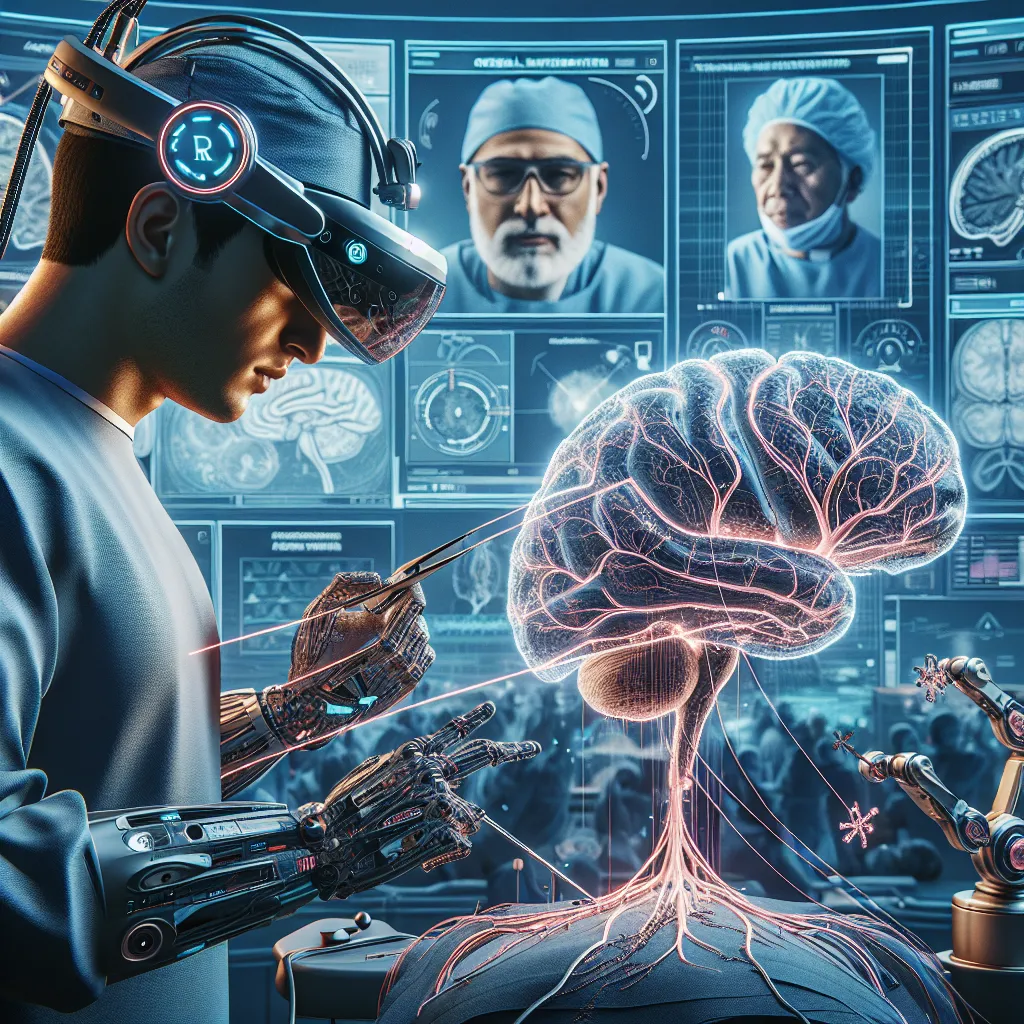
The world has fewer than 5,000 active neurointerventionists, and training new ones takes years. But with remote robotic procedures becoming viable, surgeons need a new way to learn—the skills aren’t just anatomical, they’re digital. A startup could create a high-fidelity training simulator that blends VR, haptic robotics, and real-world latency to mimic what it feels like to operate from thousands of miles away. Trainees practice navigating virtual arteries while feeling real resistance and delays based on live network conditions. This is newly viable because of the same technology enabling remote surgery—robotic haptics, AR visualization, and global networking. Think of it as a “flight simulator” for neurosurgeons. A trainee in Brazil could practice on a virtual brain streamed from Dundee, under the supervision of a mentor in New York. The future of surgical education won’t just be local—it’ll be networked.
Description
No additional description provided.
The Pitch
In recent years, the rise of remote robotic procedures has opened new frontiers in medical technology. Yet, despite these advancements, the world faces a pressing challenge. There are fewer than 5,000 active neurointerventionists globally, and training new specialists is a lengthy process requiring years of rigorous study and practice. The unique skills needed in this field extend beyond traditional anatomical knowledge to include digital competencies necessary for remote operations. This is where an innovative opportunity emerges: the creation of a cutting-edge training simulator.
**Backstory**: As technology advances, the medical field is rapidly evolving. Surgeons can now perform complex procedures remotely, using robotic assistance. However, the challenge lies in training the next generation of surgeons to adapt to this new paradigm. Traditional educational models, focused on hands-on practice, are insufficient when it comes to mastering the digital intricacies of remote surgery. Thus, there's an urgent need for an advanced training solution that prepares medical professionals for the future of surgical intervention.
**Problem**: The central issue is the scarcity of neurointerventionists and the inefficiency in training new ones. Current educational methods do not adequately address the skills required for remote robotic surgery, where surgeons must rely on digital tools, understand robotic haptics, and adapt to global network conditions. This knowledge gap threatens the potential of remote surgery and limits access to life-saving procedures in underserved regions.
**Solution**: Develop a high-fidelity training simulator that combines virtual reality, haptic robotics, and real-world latency simulation. This technology would enable trainees to experience what it's like to perform remote surgeries, practicing the navigation of virtual anatomical structures while feeling realistic resistance and delays. By simulating the real-world conditions of remote operations, this tool would provide comprehensive training for aspiring neurointerventionists.
**Product Details**: The simulator integrates three key technologies. First, VR provides an immersive environment where trainees can visualize intricate anatomical details. Second, haptic robotics give tactile feedback, allowing users to feel the nuances of surgical manipulation. Third, real-world latency simulation replicates network delays, training users to adapt to the challenges of remote operations. Combined, these elements create a robust training platform akin to a flight simulator for neurosurgeons.
**Tools for MVP Launch**: To bring this vision to reality, the following tools and technologies would be essential: 1. Unity or Unreal Engine for developing the VR environment. 2. Haptic feedback devices, such as those from TouchSense or HaptX, to integrate tactile sensations. 3. Cloud computing platforms like AWS or Google Cloud to simulate network conditions and host virtual sessions. 4. AR headsets or VR headsets, like the Oculus Rift or HTC Vive, to facilitate immersive visualization.
**GTM Strategy**: The go-to-market strategy should target medical schools, teaching hospitals, and professional training centers. Partnerships with institutions that specialize in neurosurgery and interventional radiology would provide a channel for introduction and integration of the simulator. Marketing efforts should highlight the innovation and necessity of such technology in modern surgical education, benefiting both trainees and experienced surgeons looking to upgrade their skills.
**Business Model**: The business could operate on a subscription model, offering institutions access to the simulator and periodic updates for a license fee. Alternatively, a one-time purchase with an additional annual maintenance fee could be considered. Customized training modules and advanced simulation scenarios could be offered as premium add-ons. Partnerships with medical institutions for co-development can both spread initial costs and ensure the product meets educational needs.
In summary, the development of a high-fidelity training simulator promises to revolutionize the field of surgical education. By equipping future surgeons with the digital skills needed for remote intervention, this product will expand access to vital procedures, reduce training times, and ultimately save lives.