VR-Based Cognitive Training for Improved Rehabilitation
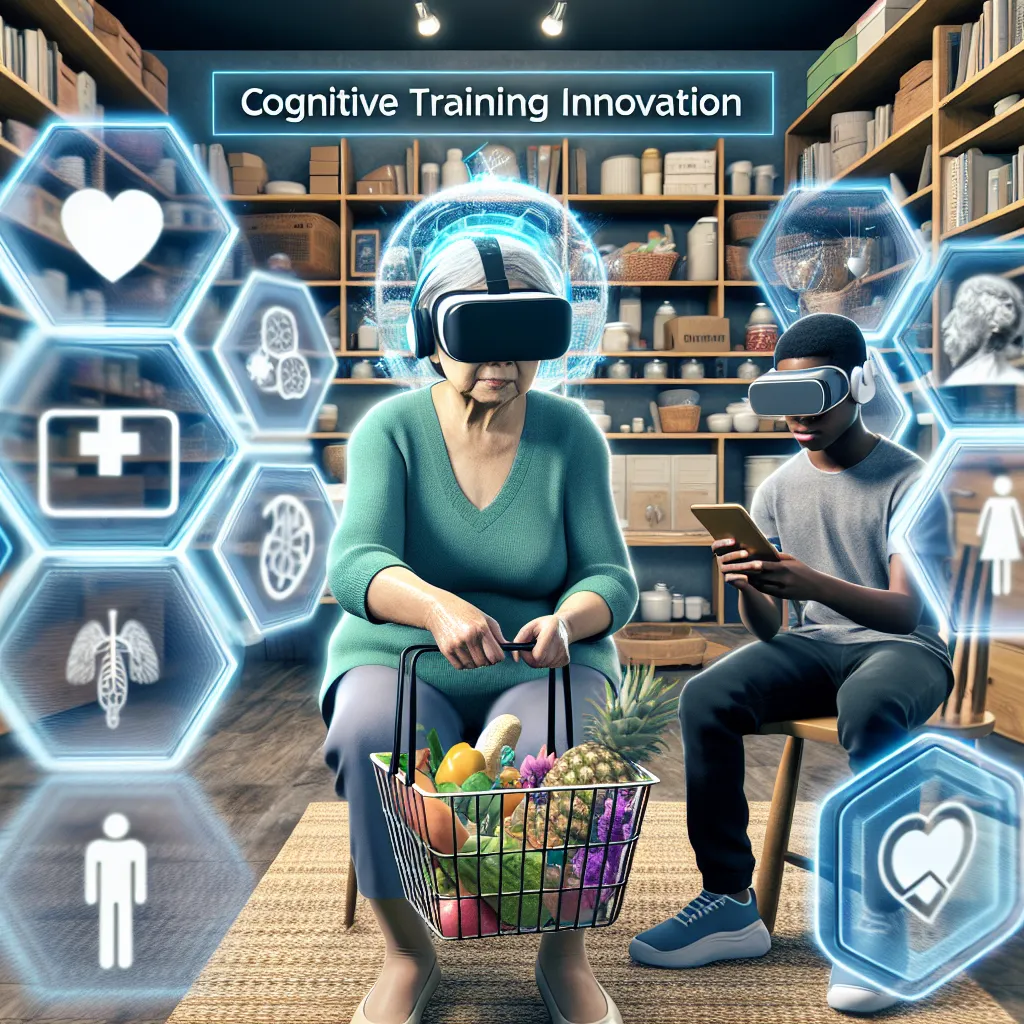
Many conditions—from traumatic brain injury and stroke to autism and anxiety—leave patients struggling with memory, focus, or social interaction. This startup would provide immersive VR-based cognitive training modules that simulate real-world situations, improving executive function and emotional regulation. As VR hardware becomes more affordable, it’s being used across healthcare for exposure therapy, training, and recovery. For example, a stroke patient could practice grocery shopping or crossing a street safely in VR, regaining independence faster than with traditional therapy alone. Similarly, a teen with autism could rehearse job interviews in a safe, repeatable environment at home.
Description
No additional description provided.
The Pitch
Cognitive impairments caused by conditions such as traumatic brain injury, stroke, autism, and anxiety significantly affect individuals' daily lives. These challenges often manifest as difficulties with memory, focus, or social interaction, which can hinder rehabilitation and social reintegration. Traditional therapeutic methods may not always provide the immersive, real-world simulation needed for effective rehabilitation. In response, we propose the development of an immersive Virtual Reality (VR)-based platform that delivers cognitive training modules designed to simulate real-world environments, thereby enhancing executive function and emotional regulation for individuals with such impairments.
Backstory
The increasing accessibility of VR technology combined with its proven efficacy in healthcare settings, such as exposure therapy and rehabilitation, presents an opportunity to enhance traditional therapy methods. Individuals recovering from stroke or living with conditions like autism often require a safe space to practice and rehearse social and functional skills. Traditional settings can be limiting in terms of scope, scalability, and customization. VR offers a solution by providing controlled, realistic simulations where users can practice essential daily tasks and social interactions at their own pace.
Problem Statement
Many individuals with cognitive impairments struggle to perform everyday activities due to compromised memory, focus, and social interaction skills. Existing therapeutic approaches often lack the dynamic, immersive environments necessary for these individuals to practice and develop essential skills in a way that feels relevant to real-world activities. Additionally, many patients face logistical and financial barriers to accessing consistent, high-quality therapy.
Solution
The proposed VR-based platform will offer a suite of cognitive training modules tailored to mimic real-world scenarios. This will allow users to practice essential skills such as grocery shopping, street crossing, job interviews, and more, providing a safe, repeatable environment that caters specifically to their individual needs. By enabling experiences that closely replicate their potential daily challenges, users can gain confidence and improve their ability to function independently.
Product Details
The platform will include the following features:
1. A range of customizable modules simulating various daily activities and social interactions, such as shopping, meal preparation, public transportation, and interviews.
2. An intuitive user interface that allows therapists and users to select and tailor scenarios based on individual goals and progress metrics.
3. Data analytics tools to measure improvement in areas such as task completion time, error rates, and user engagement, enabling tailored therapeutic guidance.
4. Multi-user capabilities for social skills training, allowing individuals to practice engaging with others in a safe, controlled setting.
5. Integration with commonly used VR hardware to maximize accessibility and affordability.
Tools for Easy Launch as MVP
1. Unity or Unreal Engine: For developing immersive VR environments and simulations. 2. Oculus SDK: To leverage existing VR hardware capabilities. 3. Azure or AWS: For cloud-based data storage and processing. 4. Agile tools like Trello or Jira: To manage development sprints and track progress.
Go-To-Market Strategy
1. Partnership with healthcare providers and rehabilitation centers to offer VR modules as part of existing therapy programs. 2. Collaboration with insurance companies to facilitate coverage for VR-based therapy sessions as a part of cognitive rehabilitation programs. 3. Attend healthcare conferences and VR expositions to showcase the product to potential partners and investors. 4. Develop relationships with autism and neurological disorder associations to reach affected individuals and raise awareness about VR therapy. 5. Initial pilot programs with selected clinics to gather data and testimonials to refine the product and demonstrate efficacy.
Business Model
1. Subscription-based model for healthcare facilities and individual users, offering a tiered pricing strategy based on the number of users and level of customization. 2. Licensing options for educational institutions and professional organizations to use VR modules for training purposes. 3. Freemium model with basic modules offered for free and premium features available for a subscription fee.
By offering a solution that blends advanced VR technology with targeted cognitive rehabilitation, we can empower individuals with cognitive impairments to navigate their world with greater independence and confidence.