Voice-Native Websites: The Future of Web Interaction
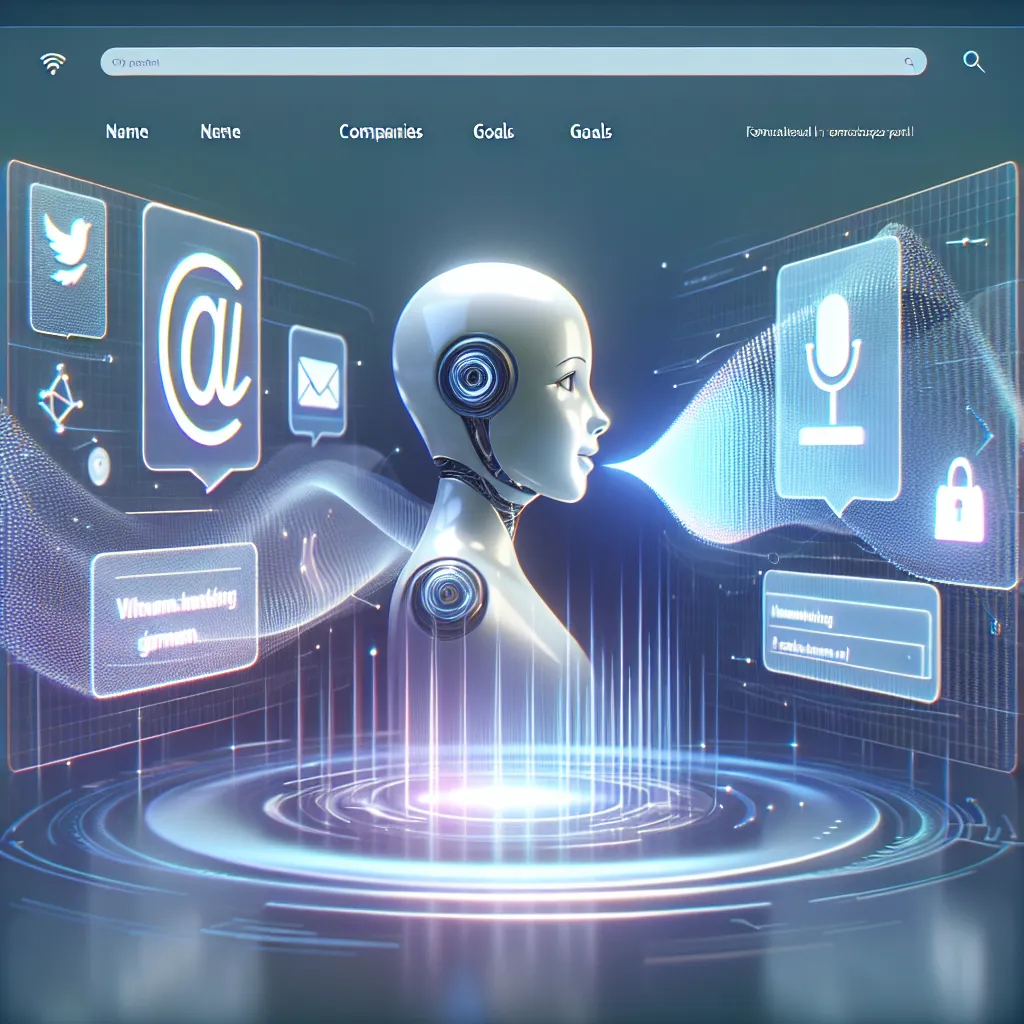
Every website today looks the same: static hero image, form field, and a “Book a Demo” button nobody clicks. The next evolution is voice-first. Imagine landing on a site and being greeted instantly by an AI agent that talks like a real person—asks your name, your company, your goal—and behind the scenes fills out a structured lead form, triggers an email, and moves you into the pipeline. No typing, no friction, just a human-feeling interaction that converts. With new speech models fast enough to feel instant, we’re at the point where every brand could replace its contact form with a 60-second voice conversation. Someone will own this category of “voice-native websites,” and it will feel like the future of the web.
Description
No additional description provided.
The Pitch
Imagine a world where visiting a website feels as personal and interactive as speaking with a knowledgeable store associate. In our increasingly digital age, most websites remain stagnant, adhering to traditional designs that do little to engage or convert visitors effectively. These sites often feature a static hero image, a form field, and a “Book a Demo” button that largely goes ignored.
The evolution towards a more dynamic interaction begins with voice-first technology. Imagine landing on a website and being immediately engaged by an AI agent that converses like a real person. This AI greets visitors, inquires about their needs, captures essential information, and seamlessly inputs these details into a structured lead form. Simultaneously, it triggers necessary follow-up actions like sending an email and moves qualified leads further down the pipeline—all within a frictionless interaction.
The crux of this innovation lies in its ability to reduce visitor friction. No longer do visitors need to type or navigate disjointed forms; instead, they experience a human-like interaction that feels natural and welcoming while significantly boosting conversion rates. With advanced speech models that deliver instant responses, this is not just a dream but a viable product whose time has arrived.
Here's the strategic blueprint for bringing such a voice-native website to life:
Backstory: The digital landscape is oversaturated with homogenous website designs that fail to capitalize on human interaction. With the advent of sophisticated AI and speech technology, there's an opportunity to revolutionize how businesses engage online visitors.
Problem: Current websites are static and fail to convert effectively. Forms and call-to-action buttons remain unnoticed, and businesses miss opportunities to engage and convert potential customers.
Solution: Implement a voice-first AI system that engages visitors conversationally. This system replaces traditional lead capture methods with a 60-second dialogue, offering an innovative way for brands to interact with their audience.
Product Details: 1. AI-driven voice interface that greets and engages visitors in real-time. 2. Back-end integration to automatically populate lead capture forms. 3. Instant email triggers and CRM integration to streamline follow-up and qualification processes. 4. Customizable voice personas that align with brand identity to maintain consistency.
Tools for Launching an MVP: - Use platforms like Google Dialogflow or Amazon Lex for building conversational interfaces. - Opt for AI voice technologies such as Google WaveNet or Azure's neural voices for realistic voice generation. - Integrate with CRM tools like HubSpot or Salesforce for seamless backend operations. - Leverage analytics tools to track interaction success rates and conversion metrics.
Go-to-Market Strategy (GTM): 1. Identify target sectors such as e-commerce, SaaS, and service industries where human interaction enhances conversion. 2. Launch a pilot program partnering with select businesses to demonstrate efficacy. 3. Develop thought leadership content showcasing the benefits of voice-native interaction. 4. Attend and present at industry conferences to highlight innovation and benefits.
Business Model: Adopt a subscription-based model with tiered offerings based on features and interaction volume. Consider additional revenue streams through consulting services to customize AI voices and integrate solutions into existing setups.
In conclusion, as businesses seek innovative methods to engage their audience, the opportunity to lead the charge in transforming web interactions through voice-first technology is ripe. With the tools and strategies outlined, building a successful and future-forward MVP in this domain is within reach.