Virtual Nostalgia Mall – The Y2K Metaverse for Gen Z
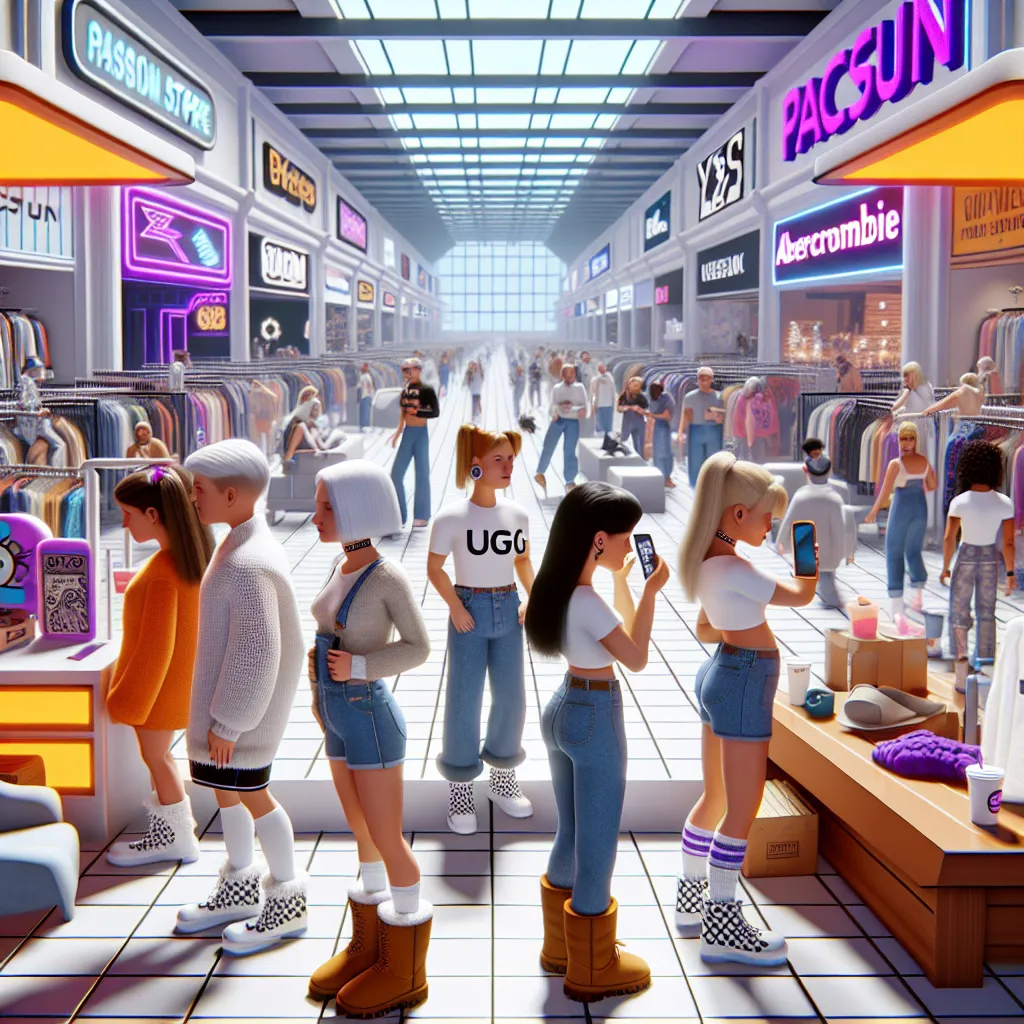
Gen Z is obsessed with early 2000s culture—from UGG boots and Abercrombie tees to Hollister storefronts and mall photo booths. But traditional ecommerce feels sterile and doesn’t deliver the dopamine hit of mall nostalgia. This startup recreates a full-blown 2000s mall in a gamified 3D world. Users create avatars, explore digitally rendered stores (e.g., "vintage" Claire’s or Wet Seal), try on outfits virtually, and shop in real life. Retailers can launch nostalgia-themed pop-ups, and creators can host live meetups. The trend of nostalgia commerce (Y2K fashion, retro gaming, digital collectibles) proves this is more than a gimmick. For example, a user could enter the VR mall, walk into a virtual PacSun store playing early 2000s music, and try on mesh tanks while chatting with friends. This makes shopping social, immersive, and driven by throwback identity—a mall revival for the digital age.
Description
No additional description provided.
The Pitch
Bringing the early 2000s mall experience back to life in a digital format is an intriguing concept that taps into the trend of nostalgia commerce. This initiative aims to recreate the authentic and social shopping experience of that era, catering primarily to Gen Z and Millennials who hold fond memories of mall culture or are discovering it for the first time.
**Backstory**
The early 2000s were a hallmark period for shopping malls, where teenagers and young adults would gather to socialize, shop, and immerse themselves in distinct retail environments. Over time, with the rise of ecommerce, these physical spaces lost their appeal, and shopping became more transactional and less experiential. As a generation that values experiences and community, Gen Z is particularly drawn to the cultural aesthetics and social aspects of that time.
**Problem**
Traditional ecommerce platforms often fail to replicate the exciting and social atmosphere of malls, leaving a gap for consumers who crave the in-person experience. These platforms come across as impersonal and transactional, missing opportunities for engagement and social interaction that malls naturally provided.
**Solution**
This concept introduces an interactive 3D virtual mall that emulates the iconic early 2000s shopping experience. Users create personalized avatars, explore digitally recreated stores, and engage in a range of interactive activities. The platform not only replicates the look and feel of early 2000s stores but also integrates social dynamics, allowing users to shop with friends, chat, and meet new people.
**Product Details**
1. **3D Virtual Environment**: A detailed and immersive digital mall reimagined with iconic 2000s brands like Claire’s, Wet Seal, and PacSun, fully equipped with era-appropriate décor and music.
2. **Avatar Customization**: Users can create avatars that reflect their personal style, enhancing the sense of identity and representation within the virtual space.
3. **Virtual Try-Ons**: Advanced virtual reality features allow users to try on clothes and accessories, offering a near-physical shopping experience from the comfort of their homes.
4. **Social Features**: Chat functions, group shopping sessions, and events host creators and influencers to make the experience interactive and community-driven.
5. **Nostalgia-Themed Pop-Ups**: Periodic events and meetups around significant early 2000s themes to maintain engagement and bring fresh experiences to users.
**Tools for MVP Launch**
1. **Unity/Unreal Engine**: To build the interactive 3D environment and ensure high-quality graphics.
2. **Blender, Maya**: For the creation of detailed and nostalgic store designs and avatar features.
3. **Shopify APIs**: To integrate seamless ecommerce functionalities for real-world purchases.
4. **Vivox or Discord**: For enabling voice and text chat functions within the platform.
5. **Sansar/VRChat**: For leveraging existing VR frameworks to support virtual try-ons and avatar interactions.
**Go-To-Market Strategy**
1. **Influencer Partnerships**: Collaborate with social media influencers known for retro and vintage content to reach target audiences early on.
2. **Beta Launches**: Initiate closed beta launches targeted at college campuses and high schools to generate word-of-mouth marketing.
3. **Social Media Campaigns**: Utilize TikTok and Instagram for teaser content, leveraging nostalgia-driven engagement.
4. **Community Building**: Develop a strong online community through Discord or Reddit to foster interaction and receive feedback.
5. **Cross-Promotions**: Partner with nostalgia-based brands for collaborative marketing efforts and exclusive product releases.
**Business Model**
1. **Freemium Access**: Offer basic access for free to incentivize users to join and explore, with premium features available through subscription.
2. **In-App Purchases**: Provide opportunities to purchase exclusive avatar items, store access passes, and event tickets.
3. **Advertising**: Allow brands to lease digital space for product placements or branded pop-up stores within the mall.
4. **Data Insights**: Offer retailers valuable data insights into consumer behavior and trends in exchange for a fee.
By thoughtfully integrating the nostalgia of early 2000s mall culture with modern technological capabilities, this platform could redefine social ecommerce and reinvigorate the way people shop, interact, and engage online.