Virtual Homeowner Roleplay Training for Technicians
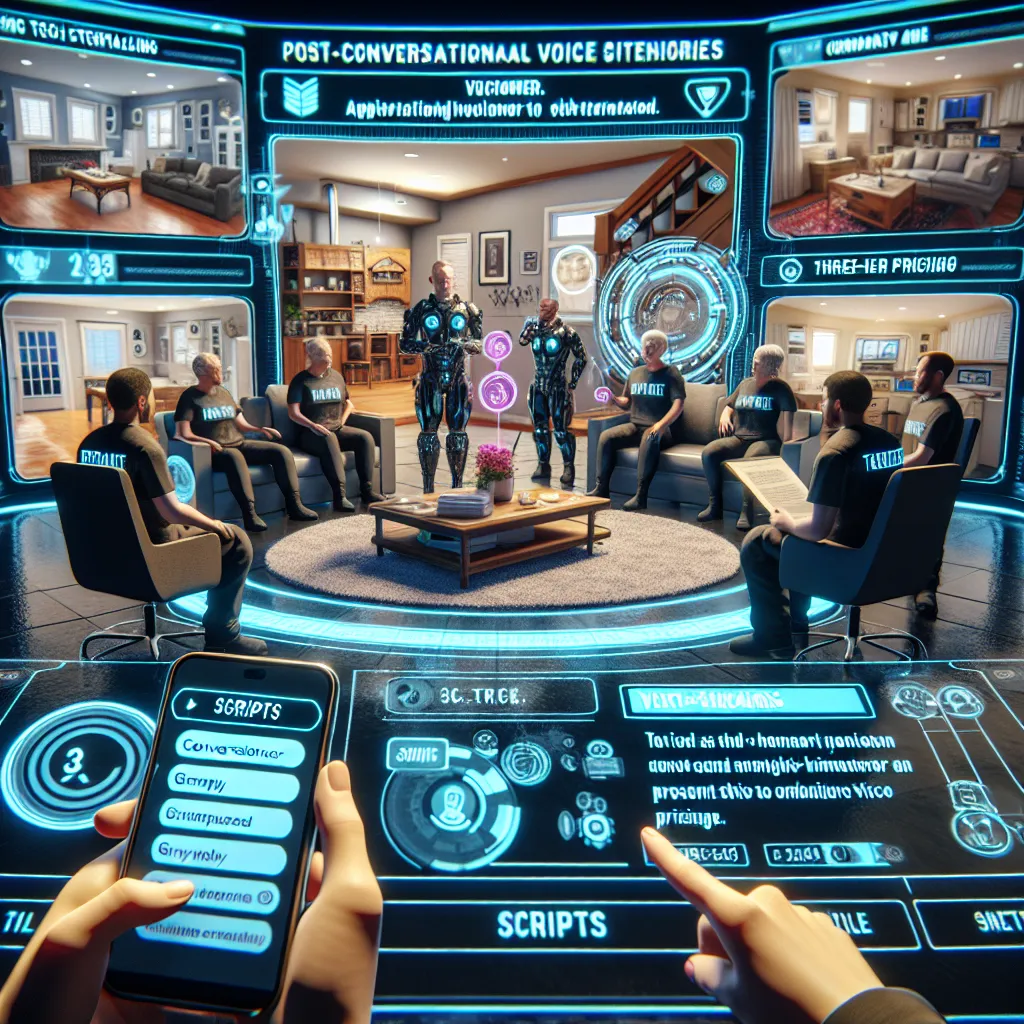
Top home services companies put new technicians through two weeks of human roleplay where a senior tech plays the homeowner and grades them on every move from greeting the dog to saying investment instead of cost. Most companies skip this entirely because one trainer per ten new hires fills the calendar fast, and they lose the sale on real homes instead. A voice-based sim where a tech walks through a virtual visit with a homeowner who can be friendly, grumpy, or distracted, graded on script adherence and three-tier pricing presentation, would let a fifty-truck company run roleplay every morning before dispatch. Conversational voice models got cheap and fast enough in mid-2025 to roleplay an unscripted homeowner without breaking immersion, which was the missing piece for years. The first version is a phone app the tech opens during their warm-up with their lead, scoring them against company-specific scripts the owner uploads.
Description
No additional description provided.
The Pitch
In the home services industry, successful customer interactions are crucial for business growth. Traditionally, top companies have invested heavily in training new technicians through extensive human roleplays. These sessions involve senior technicians acting as homeowners, grading new hires on various aspects of customer interaction—from greeting pets to presenting pricing. However, the demanding schedule of trainers limits the number of new employees that can be effectively trained, impacting the company's ability to maintain a high standard of customer service.
The Challenge:
Most home service companies struggle to implement or maintain comprehensive training programs due to logistical constraints and high costs. With one trainer typically responsible for ten new hires, calendars are quickly filled, leading to missed opportunities for real home visits. This bottleneck results in insufficiently trained technicians, potentially harming customer relationships and reducing sales conversions.
The Solution:
Leveraging advancements in conversational voice technology, a virtual roleplay simulation can revolutionize technician training. This solution involves a voice-based application that simulates an entire customer visit scenario, allowing technicians to practice interactions with virtual homeowners who display varied personalities—friendly, grumpy, or distracted. The system would evaluate technicians on their adherence to company scripts and their ability to present tiered pricing structures effectively.
Product Details:
- Platform: A mobile application available on smartphones and tablets.
- Features: - Virtual homeowner scenarios with unscripted, real-time interactions. - Customizable scripts that align with company-specific protocols. - Scoring and feedback system that assesses technician performance in real time. - Scenarios designed to simulate a wide range of customer personalities and situations.
Tools for MVP Launch:
1. **Voice Technology Platforms**: Utilize platforms such as Google's Dialogflow or Amazon's Lex for developing conversational models. These tools allow for creating interactive, natural-sounding dialogue systems.
2. **App Development Frameworks**: Swift for iOS and Kotlin for Android provide robust environments to build the mobile app efficiently.
3. **Cloud Services**: Host data and run simulations using scalable cloud services like AWS or Google Cloud, ensuring performance and reliability.
4. **Analytics**: Integrate with platforms like Firebase or Mixpanel to gather data on usage and user feedback to refine the application.
Go-To-Market (GTM) Strategy:
1. **Target Audience**: Focus on medium to large home service companies that already have structured training programs and recognize the need for efficient, scalable solutions.
2. **Pilot Programs**: Launch pilot runs with selected companies to gather testimonials and fine-tune the system.
3. **Partnerships**: Collaborate with industry associations and trade schools to introduce the application as part of standard training protocols.
4. **Digital Marketing**: Utilize SEO, PPC, and social media advertising to reach decision-makers in target companies.
5. **Events and Webinars**: Host webinars and attend industry events to demonstrate the application's capabilities and engage with potential clients.
Business Model:
- **Subscription Service**: Offer a tiered subscription model based on the number of users and configurable features, ensuring affordability for different company sizes.
- **One-time Setup Fee**: Charge an initial setup fee for customization of scripts and system integration.
- **Training and Support**: Provide optional training and ongoing support services as additional revenue streams.
Conclusion:
By introducing a voice-based virtual roleplay simulation, home services companies can overcome training challenges, equipping technicians with the skills needed to enhance customer interactions. This innovative approach not only improves service quality but also optimizes resource allocation, enabling companies to scale their operations effectively.