Virtual Hologram Concerts
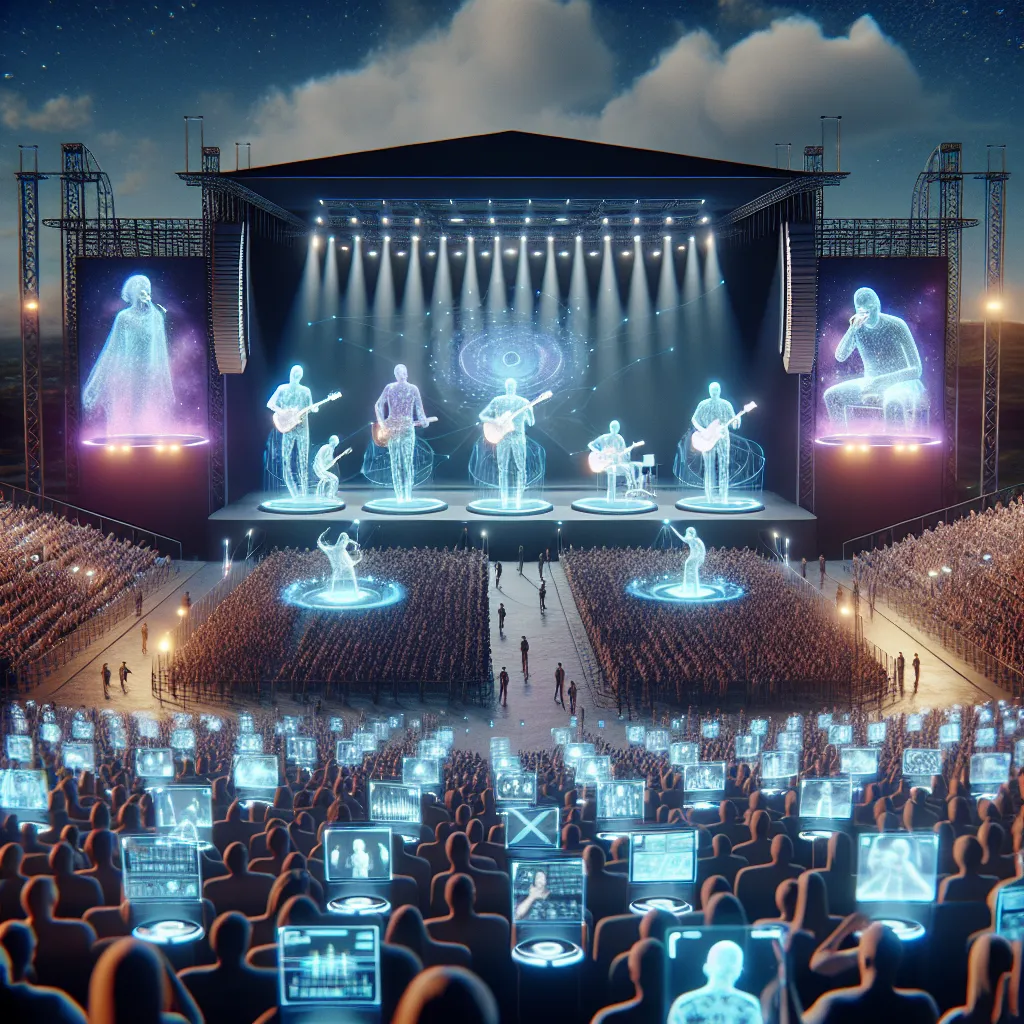
Description
Virtual Hologram Concerts: A platform that uses AI and holograms to recreate concerts by deceased artists, offering new performances while managing legal and ethical considerations.
The Pitch
A platform that brings legendary artists back to life through AI-powered holograms, allowing fans to experience new concerts from deceased performers. The platform combines cutting-edge AI, 3D holographic technology, and advanced audio engineering to create lifelike performances that capture the essence of iconic musicians. The platform also prioritizes legal and ethical concerns, ensuring that the use of an artist’s likeness and music respects their legacy and the wishes of their estates.
Key Features:
AI-Driven Performance Recreation:
The platform uses AI to analyze historical performances, interviews, and recordings of deceased artists. This data enables the creation of new, authentic performances that replicate the artist's unique style, movements, and vocal nuances.
AI can also generate new setlists, combining classic hits with unreleased or remixed tracks, offering fans a fresh yet familiar experience.
3D Holographic Concerts:
The platform uses advanced 3D hologram technology to project realistic, full-body representations of artists on stage. The holograms are designed to interact with live musicians, dancers, and stage elements, creating an immersive concert experience.
The concerts can be held in various venues, from large arenas to intimate theaters, and can be scaled for both physical and virtual audiences.
Virtual Reality (VR) and Augmented Reality (AR) Integration:
In addition to live hologram performances, the platform offers VR and AR experiences that allow fans to virtually attend concerts from anywhere in the world. Users can use VR headsets to feel like they're in the front row or use AR to bring the concert into their living rooms.
Fans can interact with the holographic artists in these virtual environments, deepening their connection to the performance.
Ethical and Legal Framework:
The company collaborates closely with the estates of deceased artists to obtain necessary rights and approvals. This includes revenue-sharing agreements with the artist’s family or estate and ensuring the hologram performances align with the artist's values and legacy.
A dedicated ethics board oversees the development and presentation of the holograms to address concerns about exploitation and respect for the artist’s memory.
Customizable Fan Experiences:
Fans can personalize their concert experiences by selecting different setlists, visual themes, and even interactions with the hologram. This level of customization enhances engagement and allows for a unique experience at each concert.
The platform also offers exclusive behind-the-scenes content, interviews, and documentary-style features that give fans deeper insight into the artist’s life and creative process.
Event Partnerships and Streaming Options:
The platform partners with major event organizers, music festivals, and entertainment venues to bring holographic concerts to a global audience. These partnerships ensure widespread distribution and exposure.
In addition to live events, the platform offers streaming options for those who can’t attend in person. These streams can be monetized through pay-per-view, subscriptions, or ad-supported models.
Interactive Merchandise and NFTs:
Fans can purchase exclusive concert merchandise tied to the holographic performances, such as limited-edition apparel, posters, and vinyl records. The platform also offers NFTs that provide ownership of unique digital assets, such as clips from the concert or behind-the-scenes content.
AI-Powered Voice Synthesis:
The platform uses AI to recreate the artist's voice, allowing for new renditions of their classic songs or even the creation of entirely new music. This technology respects the artist's original tone and style, ensuring authenticity in every performance.
Market Potential: The market for virtual hologram concerts is vast, encompassing music fans, technology enthusiasts, and entertainment venues looking for innovative experiences. With the continued growth of VR, AR, and immersive technologies, the demand for unique, cutting-edge entertainment is on the rise. This platform targets a global audience, including younger generations who may never have seen these artists perform live and older fans seeking to relive the magic of their favorite musicians.
Revenue Model:
Ticket Sales and Streaming: The primary revenue source comes from ticket sales for live holographic concerts and pay-per-view or subscription-based streaming options.
Partnerships and Sponsorships: Collaborations with event organizers, brands, and technology partners provide additional revenue streams.
Merchandise and NFTs: Sales of physical and digital merchandise, including exclusive concert memorabilia and NFTs, offer supplementary income.
Licensing and Rights Management: The platform also generates revenue by licensing holographic performances to third-party platforms, such as film studios or other entertainment venues.
Competitive Advantage:
Authenticity: The platform's focus on recreating the artist's essence through AI and holography sets it apart from competitors who may rely solely on pre-existing footage or static representations.
Legal and Ethical Commitment: By prioritizing legal agreements and ethical considerations, the platform avoids potential controversies and ensures long-term sustainability.
Immersive and Interactive Experience: The integration of VR, AR, and customizable fan experiences offers a level of engagement that traditional concerts or other hologram shows cannot match.
Challenges:
Technological Barriers: Ensuring the holograms and AI-driven performances are realistic and engaging requires cutting-edge technology and continuous innovation.
Public Perception and Acceptance: Some audiences may feel uncomfortable with the concept of reviving deceased artists, so the platform must navigate these sentiments carefully.
Licensing and Legal Complexities: Negotiating with estates and securing rights can be complex and time-consuming, particularly for high-profile artists.
Conclusion: This platform taps into the nostalgia and emotional connection fans have with legendary artists while utilizing the latest advancements in AI and holography. By offering new, authentic concert experiences from deceased performers and addressing legal and ethical concerns, the company stands at the intersection of technology, entertainment, and culture, providing fans with an unprecedented way to relive the magic of music history.