Virtual Creator Licensing Marketplace for Brands
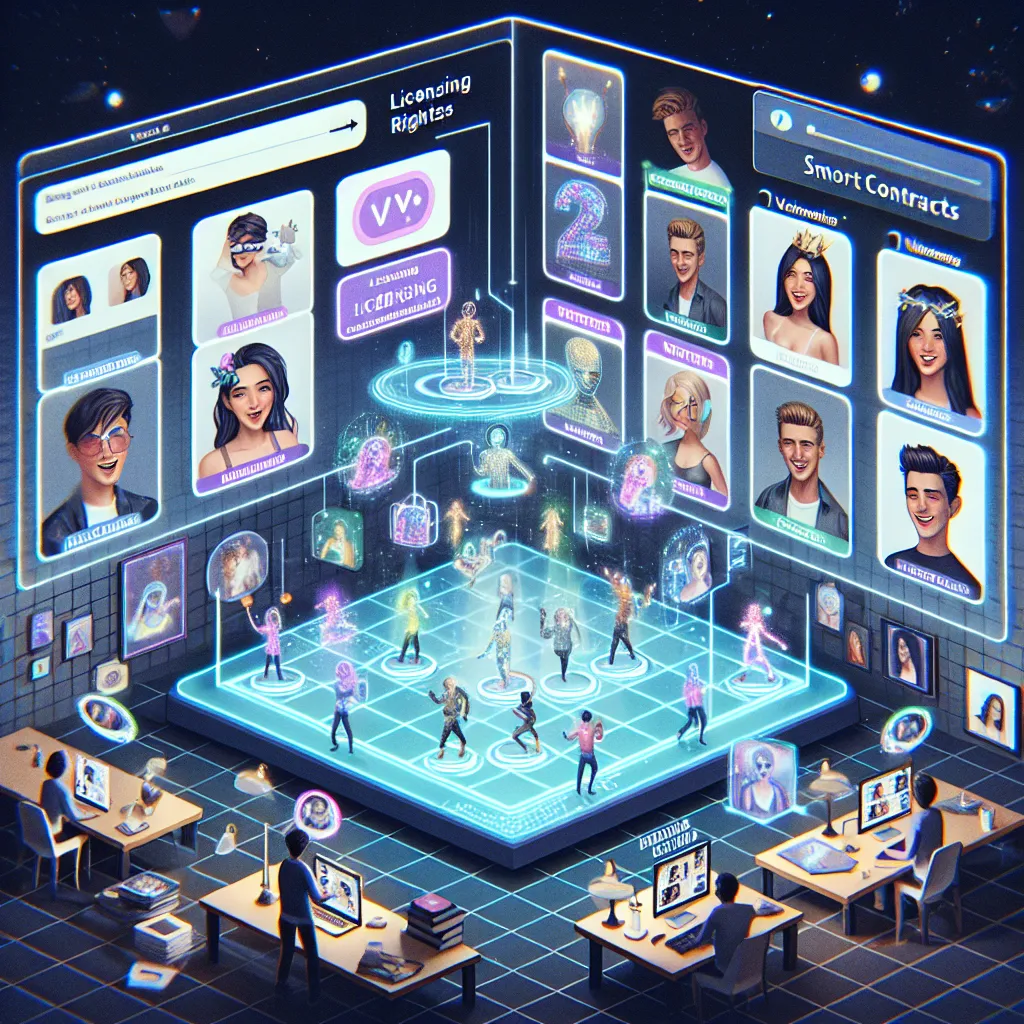
Today, brands work with human influencers — but there is no easy, open platform where virtual creators can license their virtual identity for ads, merch, or media without intermediaries. The problem: virtual creators and brands are still operating on old-school influencer deal structures. Solution: A self-serve marketplace where virtual creators (VTubers, Virtual Humans, Virtual Artists) list their persona for licensing — brands can browse, bid, and collaborate, complete with smart contracts for usage rights. Why now: Virtual creators are growing mainstream and brands want to tap in, but there’s no easy, standardized way. Example: Think Airbnb, but for virtual creator licensing — a brand could book a hologram performance, merch design, or Instagram takeover from a virtual pop star in days, not months.
Description
No additional description provided.
The Pitch
Over the past decade, influencer marketing and has erupted into a powerful channel for brands to connect with audiences. Traditionally, brands partner with human influencers to promote products and services, leveraging their reach and authenticity. However, a new wave of influence is cresting with the rise of virtual creators. These digital personas, ranging from VTubers to virtual pop stars, are captivating audiences in ways never before imagined. Despite their popularity, no comprehensive, open platform exists for these creators to license their virtual identities efficiently and transparently.
The Problem:
Virtual creators and brands are often forced to adhere to outdated influencer deal structures that are neither intuitive nor scalable. This antiquated system is riddled with middlemen who complicate processes and drive up costs. Brands keen to engage with virtual identities for campaigns find themselves navigating a fragmented landscape with inconsistent terms and significant negotiations. The result is missed opportunities and prolonged timelines, stunting the potential growth and collaboration between brands and virtual creators.
The Solution:
Imagine a self-serve digital marketplace tailored specifically to virtual creators, where they can list their personas for licensing. This platform would empower brands to easily browse, bid, and collaborate with virtual creators. By leveraging smart contracts, all parties can ensure secure transactions and clear usage rights, reducing legal complexities and fostering trust. This marketplace would streamline the collaboration process significantly, enabling brands to harness the power of virtual influencers swiftly and effectively.
Why Now:
Virtual creators have surged into mainstream attention, fueled by technological advancements and a growing appetite for novel forms of engagement. As their audiences expand, so does the interest from brands eager to capitalize on this digital phenomenon. However, without a standardized system to facilitate interactions, brands and creators are not fully maximizing potential collaborations. The current market landscape is ripe for a solution that bridges this gap, creating a new frontier for influencer marketing.
Product Details:
The platform will serve as a comprehensive hub for licensing virtual identities, offering brand-friendly features and creator-focused tools. Brands can filter potential collaborations based on factors such as audience demographics, engagement metrics, and thematic focus. Meanwhile, creators can present detailed portfolios, set licensing terms, and specify types of collaborations available, such as merch designs, brand endorsements, or digital appearances.
To facilitate seamless transactions and protect all parties, the platform will utilize blockchain technology to implement smart contracts. This guarantees transparency, security, and predefined conditions for usage rights. The platform will also incorporate analytics to provide insights into the effectiveness of collaborations, allowing brands and creators to refine future engagements.
Tools for MVP Launch:
To rapidly develop and test a minimum viable product, leverage cloud-based solutions such as AWS or Google Cloud for scalability. Utilize platforms like React or Angular for front-end development, with Node.js or Django for the back-end. For blockchain integration, consider Ethereum or Binance Smart Chain to manage smart contracts. Implementing data analytics can be streamlined with tools like Google Analytics or Mixpanel.
GTM Strategy:
To enter the market strategically, initiate partnerships with a select group of prominent virtual creators and brands willing to pilot the platform. Demonstrating successful case studies will build credibility and attract additional users. Digital marketing campaigns should target communities with high virtual creator engagement, leveraging platforms such as YouTube, Twitch, and TikTok.
Use content marketing to highlight educational resources on leveraging virtual creators in marketing strategies, positioning the platform as a thought leader in the space. Additionally, hosting webinars and panel discussions with industry experts and early adopters can drive awareness and create buzz around the platform.
Business Model:
The primary revenue model will be transaction-based, with a commission fee on successful collaborations. This aligns the platform’s success with user success, fostering a symbiotic relationship. Additionally, offering premium membership options will provide enhanced features such as advanced analytics, exclusive partnerships, and early access to new virtual creator listings.
Over time, as the platform grows, data insights on virtual creator engagement could open new revenue streams, potentially offering brands targeted insights and trends reports under a subscription model.
In Conclusion, the creation of a self-serve marketplace for virtual creator licensing is not just an opportunity; it's a necessary evolution in influencer marketing. By addressing current inefficiencies and embracing technological innovations, this platform can redefine how brands and creators collaborate, driving success and unlocking new possibilities in the digital age.