Virtual Beings for Companionship
Today’s AR lacks truly lifelike, mobile virtual beings. While static 3D models and basic avatars exist, there’s no solution where a virtual being can walk beside you, sit on a chair, or interact naturally with physical environments. The solution is to build intelligent, physics-aware virtual companions that leverage advanced AR and spatial computing, creating the illusion of real-world presence. Using breakthroughs in generative AI for personality and motion, plus real-time spatial mapping, these companions could move fluidly, respond to surroundings, and offer emotional support or companionship. Imagine a virtual pet that walks next to you on a hike or a lifelike AI friend that joins you at home. With loneliness on the rise globally, such technology could offer meaningful social interaction without physical limitations, unlocking an entirely new category of personal computing.
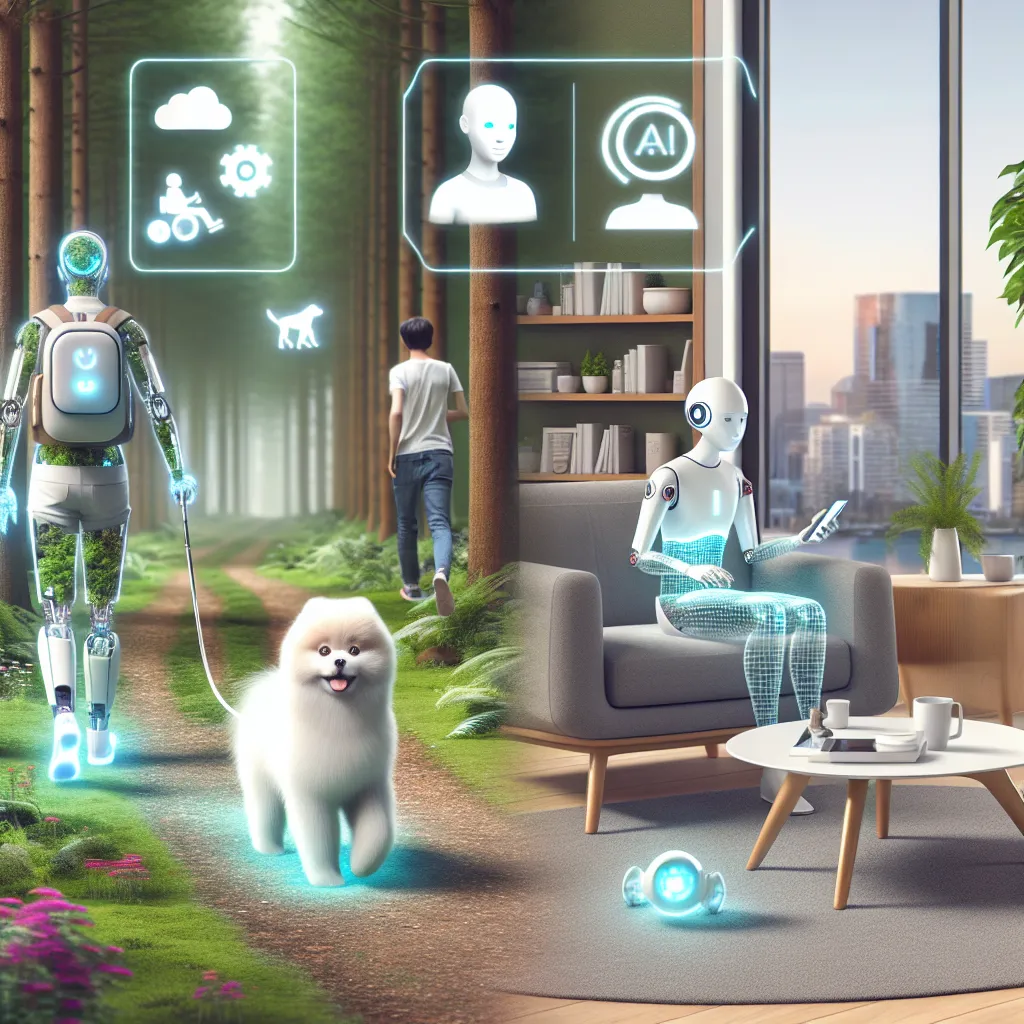
Description
No additional description provided.
The Pitch
In the ever-evolving landscape of augmented reality AR, there exists a significant gap in creating virtual beings that emulate the lifelike presence and interactive capabilities of a human or pet. While the market has seen innovation in the form of static 3D models and rudimentary avatars, these entities remain largely disconnected from the physical world. They fail to exhibit the natural behaviors and interactions that would make them truly engaging companions. With an increase in global loneliness, there is a growing demand for technology that can provide genuine social interaction and emotional support.
Problem:
Current AR technologies are limited in their ability to integrate virtual beings into real-world settings dynamically. These limitations include the inability of virtual beings to interact naturally with physical objects and environments or display realistic movements and behaviors. Additionally, existing virtual companions lack the emotional and interactive complexity needed to provide meaningful companionship or support. These shortcomings prevent users from experiencing true immersion and the potential emotional benefits of AR technology.
Solution:
The proposed solution is to develop intelligent, physics-aware virtual companions capable of interacting naturally within physical environments. By leveraging cutting-edge advancements in generative AI for both personality and motion, along with real-time spatial mapping technologies, these virtual beings can move fluidly within their surroundings. They can react to environmental changes, walk beside a user on a hike, join them at home, or offer support and companionship without the constraints of physical presence.
Product Details:
The product would feature:
1. Intelligent Design: Utilization of generative AI to create dynamic personalities and behaviors that can adjust based on a user’s preferences and interactions.
2. Real-Time Spatial Awareness: Integration of advanced spatial computing to allow the virtual beings to navigate and interact with their environments as physical counterparts would.
3. Emotional Responsiveness: AI-driven emotional intelligence to enhance interactions and provide genuine social engagement.
4. Seamless Device Compatibility: Developed for compatibility with mobile AR platforms, ensuring accessibility and ease of use.
5. Customization: Features that allow users to personalize their virtual companion’s appearance, voice, and behaviors.
Tools for MVP Launch:
1. AR Development Platforms: Unity or Unreal Engine for creating compelling and immersive AR experiences.
2. AI Platforms: OpenAI or other generative AI tools for developing interactive and complex virtual personalities.
3. Spatial Mapping SDKs: Solutions like Google’s ARCore or Apple’s ARKit for integrating spatial awareness capabilities.
4. Cloud Services: AWS or Google Cloud for handling data processing and storage needs.
GTM Strategy:
1. Target Market: Begin with technology enthusiasts and early adopters, gradually expanding to broader consumer markets.
2. Partnerships: Collaborate with AR hardware manufacturers and software developers to enhance product integration and market reach.
3. Marketing Campaigns: Leverage social media and influencer partnerships to generate buzz and attract interest.
4. Community Building: Develop online communities to gather user feedback, build brand loyalty, and refine the product.
5. Demo Events: Host virtual and in-person demonstrations to showcase capabilities and attract potential users.
Business Model:
1. Freemium Model: Offer basic features for free, with premium features and content available through subscription or one-time purchase.
2. Licensing: Partner with businesses for licensing opportunities, such as virtual tour companions for travel or educational contexts.
3. In-App Purchases: Offer customization options and additional features through in-app purchases, providing revenue generation from engaged users.
4. Subscription Services: Monthly or yearly subscription plans providing users with exclusive virtual companion upgrades, content, or experiences.
By filling the existing gaps in AR technology and effectively addressing rising social connectivity needs, this innovative approach holds the potential to redefine personal computing and introduce a transformative experience for users.