VibeStack: Unified Workspace for Human-AI Collaboration.
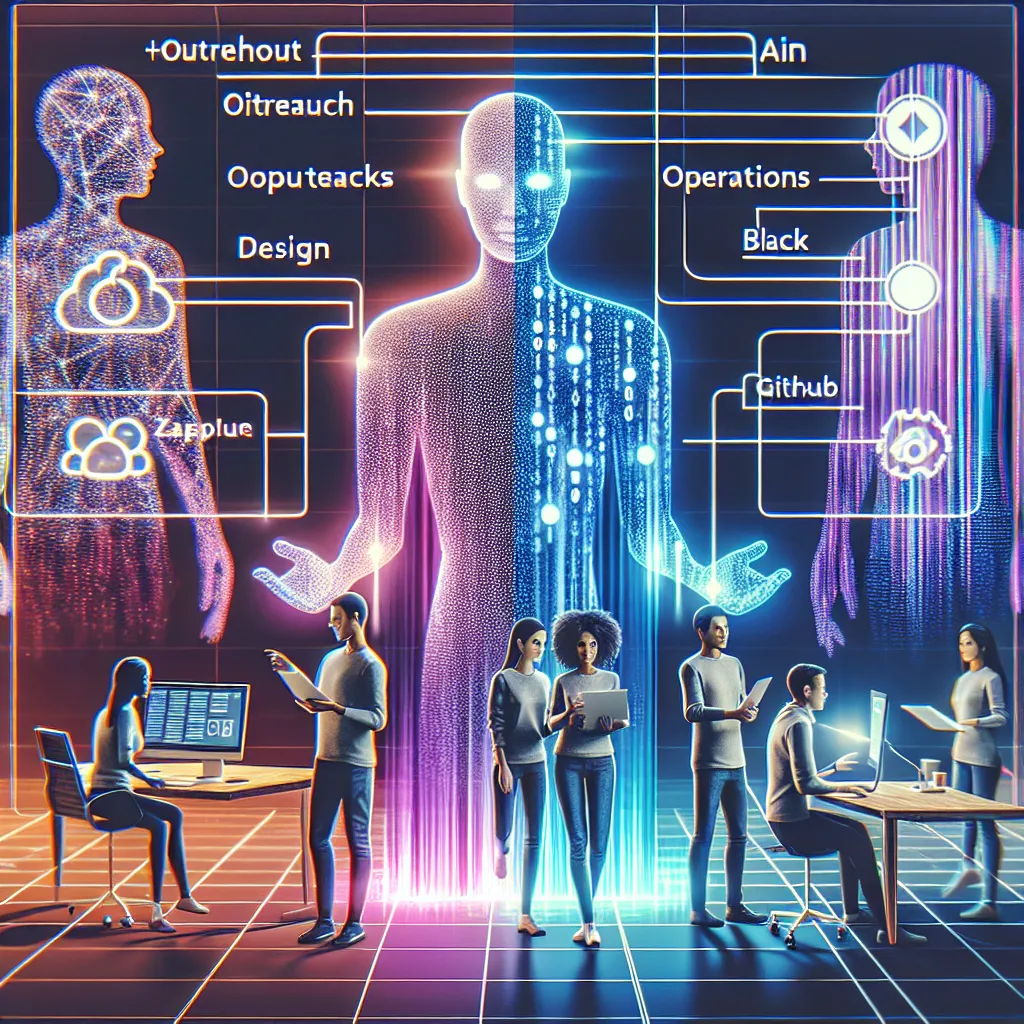
If “everyone’s a builder,” then we’ll need an OS where humans and AI agents actually work together. Today, vibe coding tools let you chat ideas into prototypes — but there’s no infrastructure for managing multiple agents, tracking workflows, or assigning accountability. VibeStack would become the “Trello + Zapier + GitHub” for hybrid teams — a shared workspace where humans bring context and agents bring execution. Picture an early-stage startup where 3 humans and 10 AI teammates collaborate seamlessly: one runs outreach, another handles design, another tracks ops. The companies of the future won’t have org charts — they’ll have VibeStacks.
Description
No additional description provided.
The Pitch
In a rapidly evolving technological landscape, the role of artificial intelligence in business workflows is expanding at an unprecedented pace. Increasingly, organizations are not only relying on human teams but are also incorporating AI agents to enhance productivity, creativity, and efficiency. As this shift progresses, there emerges a pressing need for a platform that seamlessly integrates human expertise with AI capabilities.
Historically, collaboration tools such as Trello, GitHub, and Zapier have provided valuable infrastructure for human-to-human interaction and automated workflows. However, they fall short of offering a holistic solution for scenarios where human and AI agents need to work in tandem. In many organizations, this gap results in fragmented workflows, lack of accountability, and inefficient management of tasks.
VibeStack proposes to bridge this gap by providing an integrated platform tailored for hybrid teams comprising both humans and AI agents. This platform would serve as a collaborative workspace that leverages the unique strengths of human intuition and AI execution to streamline business operations. Imagine an early-stage startup environment where a small team of humans collaborates with a larger group of AI agents who manage various functions, such as outreach, design, and operations. In such settings, VibeStack will provide the necessary infrastructure to manage workflows, foster accountability, and optimize team efficiency.
The core solution offered by VibeStack revolves around creating a shared workspace where roles and responsibilities can be dynamically assigned and managed between humans and AI agents. This platform would facilitate the visualization and tracking of workflows, enhance communication, and support decision-making through AI-driven insights. Key features would include:
1. Task Management: An intuitive interface for assigning, tracking, and completing tasks that can be seamlessly handled by human or AI agents.
2. Workflow Automation: Tools for designing and automating complex workflows that integrate human creativity with AI efficiency.
3. Accountability Framework: Mechanisms for monitoring the performance of both human and AI contributors, ensuring clarity in responsibility and outcomes.
4. Dynamic Dashboard: A real-time overview of project status, task progression, and team performance, helping to maintain alignment and focus.
To enable swift market entry and validation, an MVP (Minimum Viable Product) approach can be employed using existing tools and platforms. Some of the tools that can be utilized for the development and launch of VibeStack include:
- No-code platforms like Bubble or Adalo for rapid prototyping. - Zapier or Integromat for initial workflow automation testing. - Microsoft Power BI or Tableau for dynamic dashboard creation.
In terms of a Go-to-Market (GTM) strategy, VibeStack will target tech-savvy startups and mid-sized organizations already exploring AI integration. The strategy includes:
- Early adopter programs for feedback-driven development. - Partnership with AI platform providers to enhance capabilities. - Thought leadership content to educate the market about the future of hybrid team collaboration.
The business model for VibeStack could be subscription-based, offering tiered pricing plans based on the number of human and AI collaborators. Additional revenue streams could include consultancy services for custom integration and organizational workflow optimization.
By creating a cohesive environment where humans and AI agents work side-by-side, VibeStack aims to transform the way organizations function, paving the way for the next evolution in collaborative workspaces.