Verticalized AI Companions for Non-Obvious Needs
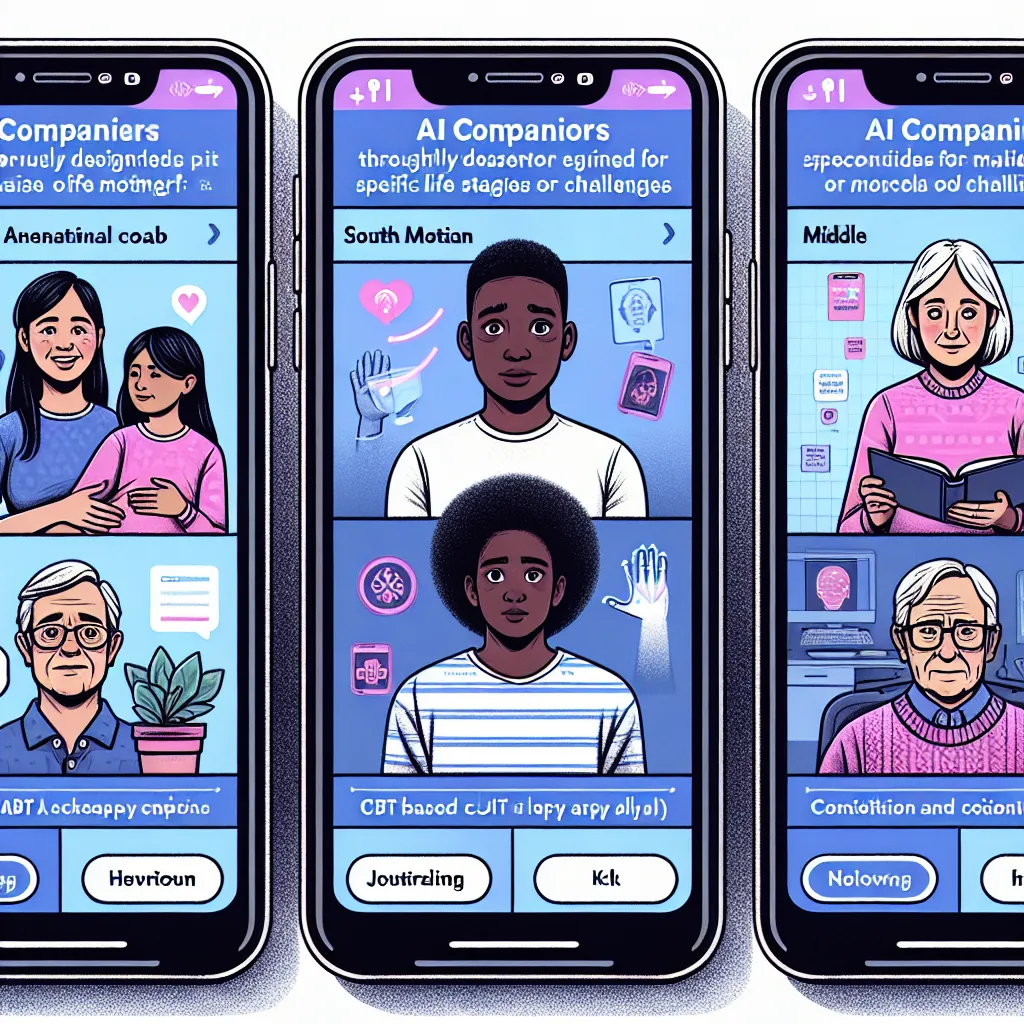
Most AI assistants today are generalists — but vulnerable populations need specialized support. Solution: create vertical AI companions deeply trained for specific life stages or challenges — e.g., AI prenatal coaches for expectant mothers, AI therapy allies for teens, AI companions for cognitive support in elderly care. Why now: fine-tuning on narrow datasets + emotion detection make high-context AI feasible. Governments and healthcare systems are under pressure to scale care cost-effectively. Example: A 17-year-old battling anxiety gets a non-judgmental AI coach trained on adolescent psychology, providing CBT-based prompts, journaling support, and emotional check-ins without stigma.
Description
No additional description provided.
The Pitch
As we move deeper into the digital age, the demand for intelligent and empathetic technology that offers specialized support for vulnerable populations is increasing. While most AI assistants today are designed as generalists, there is a growing need for solutions that provide personalized and targeted assistance to individuals facing specific life challenges or stages.
The Challenge
Many vulnerable populations—such as expectant mothers, teenagers dealing with mental health issues, and the elderly—require specialized attention and support, which is often hard to efficiently provide at scale. Existing generalist AI assistants lack the nuanced understanding necessary to address complex and specific needs, leaving significant gaps in care and support. Healthcare systems and governments are also under pressure to provide this specialized care in a cost-efficient manner.
The Solution
Develop a series of vertical AI companions that are intricately trained to cater to particular life stages or challenges. These companions utilize advanced tools like fine-tuning on narrow datasets and emotion detection technologies to deliver high-context, personalized assistance. For instance, an AI prenatal coach can offer advice, reminders, and emotional support to expectant mothers, while an AI therapy ally can provide cognitive behavior therapy (CBT)-based prompts and emotional check-ins for teenagers battling anxiety.
Product Details
1. **AI Prenatal Coach**: Offers personalized guidance for expectant mothers, from tracking appointments and providing health tips to offering emotional support tailored to different stages of pregnancy.
2. **AI Therapy Ally for Teens**: A digital companion trained specifically on adolescent psychology to offer CBT-based prompts, facilitate journaling, and perform emotional check-ins without the fear of stigma or judgment.
3. **AI Companion for Elder Cognitive Support**: This product focuses on memory reinforcement, schedule reminders, and offers engaging activities that cater to cognitive maintenance and emotional wellbeing for the elderly.
Tools for Launching an MVP
1. **Natural Language Processing Tools**: Leverage tools like OpenAI's GPT for developing conversational intelligence and emotional understanding within the AI.
2. **Machine Learning Frameworks**: Use frameworks like TensorFlow or PyTorch to fine-tune AI models on specific datasets that reflect the nuanced needs of each target population.
3. **Cloud Platforms**: Deploy on cloud platforms like AWS or Google Cloud to benefit from scalable infrastructure.
4. **Gather Specialized Datasets**: Collaborate with healthcare professionals and psychologists to develop specialized datasets for each AI companion.
GTM (Go-To-Market) Strategy
1. Partner with healthcare providers and insurance companies to integrate the AI solutions into existing care frameworks and offer them as part of value-added services.
2. Develop an awareness campaign targeting community support groups, schools, and elder care facilities to highlight the benefits and unique features of the AI companions.
3. Offer freemium models where basic services are available for free, with premium features accessible through subscription models.
4. Engage in pilot programs with select user groups to gather feedback and iterate on product development before a broader rollout.
Business Model
Adopt a subscription-based business model with tiered offerings that cater to varying levels of need and service intensity. Explore partnerships with healthcare institutions for endorsement and insurance reimbursements, furthering reach and adoption. Additionally, consider licensing the AI technology to healthcare providers as a white-label solution that they can integrate into their patient care systems.
Conclusion
In a world where personalized support is paramount, specialized AI companions present a transformative opportunity to offer targeted assistance to vulnerable populations when they need it most. It's time to shift from generalist to specialist AI solutions, providing high-context support that improves lives and advances the mission of efficient and empathetic care.