Vending Machines: Expanding Niche Product Access on Campus
Niche products like nicotine pouches (e.g., Zen) are in high demand on college campuses, but distribution is limited to traditional retail. By retrofitting vending machines with card readers and age verification, entrepreneurs can create a network of automated sales points in high-traffic dorms and nightlife districts. The machines cost around $3K to retrofit and can generate $3K/month if placed well. One founder started by placing machines in frat houses and received over 100 order requests after going viral. A franchise model could launch in untapped markets like Southern college towns, where the demand is high but access is low.
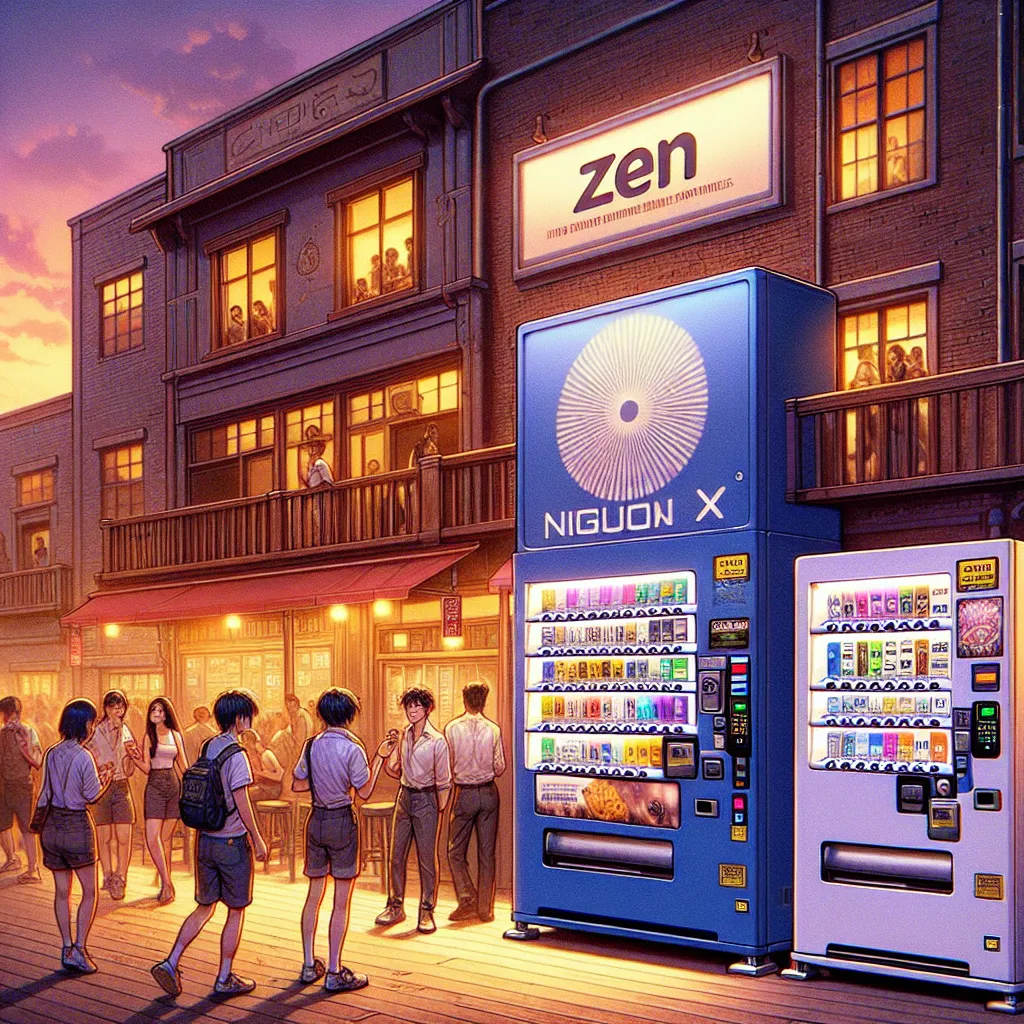
Description
No additional description provided.
The Pitch
In recent years, there's been a noticeable increase in demand for specialized products like nicotine pouches, particularly among college students. Despite this rising interest, accessibility remains restricted primarily to brick-and-mortar retail outlets. This limitation creates an opportunity for forward-thinking entrepreneurs to innovate within the distribution channel by incorporating technology into traditional vending systems. By updating vending machines with modern payment solutions and age verification mechanisms, a decentralized network of sales points can effectively bridge the existing gap in product availability in high-traffic areas such as university dorms and nightlife districts.
Background:
Traditional retail offers limited flexibility and availability for niche products, often confining sales within standard store hours and locations. College students, who often lead dynamic and unpredictable lifestyles, demand greater convenience and accessibility. They seek out locations that accommodate their spontaenity and engagement schedules, such as campus dormitories and popular local hangouts. The disparity between high demand and limited access prompts the need for an innovative approach to distribution.
Solution:
The proposed solution involves retrofitting existing vending machines with modern technology to allow for the sale of age-restricted products like nicotine pouches. This concept revolves around integrating card readers and advanced age verification systems, ensuring secure and compliant transactions. The initiative not only democratizes access to these products but also benefits entrepreneurs through streamlined operations and reduced overhead costs compared to traditional retail.
Product Details:
1. Retrofitting Costs: The cost to upgrade a vending machine for this purpose is approximately $3,000. This investment covers the installation of hardware for payment processing and age verification.
2. Revenue Potential: In optimal locations, a single upgraded vending machine can generate an income of around $3,000 per month, making it a lucrative venture.
3. Target Locations: Strategic placement is crucial. Viable sites include fraternity houses, dormitories, student unions, and nightlife districts in proximity to college campuses.
4. Compliance: Ensuring that all technological additions comply with legal standards for age verification is imperative to maintain operational integrity.
Tools for Launching an MVP:
- Payment Processors: Utilize trusted payment solutions like Stripe or Square for seamless card transactions. - Age Verification Software: Implement age verification systems from companies specializing in regulatory compliance, such as Veratad or AAMVA. - Vending Technology: Companies like Nayax and USA Technologies provide robust vending technology solutions for modernization.
Go-To-Market Strategy:
1. Early Adoption: Begin by forging partnerships with college institutions open to piloting innovative technologies. Offer them revenue-sharing models to incentivize collaboration.
2. Social Media Outreach: Leverage platforms like Instagram and TikTok to create buzz around the concept, targeting university students with engaging and relatable content.
3. Word of Mouth and Virality: Encourage existing users to share their experiences. A viral campaign can lead to widespread interest and generate requests for new installations.
4. Strategic Partnerships: Collaborate with product manufacturers and local businesses to secure exclusive distribution rights, enhancing machine appeal.
Business Model:
Adopting a franchise model offers scalability and adaptability, allowing successful entrepreneurs to expand into new markets. Targeting Southern college towns, where demand outpaces current accessibility, presents a promising opportunity. Franchisees would be responsible for the local deployment and maintenance of machines, while central operations handle supplier relationships and technological updates.
In conclusion, by integrating technology into traditional vending machines, entrepreneurs can effectively cater to the growing demand for niche products among college students. This innovative approach to distribution not only ensures convenience but also capitalizes on an untapped market, paving the way for a lucrative and scalable business venture.