User-Controlled Shopping Recommendations via Preference Dashboard
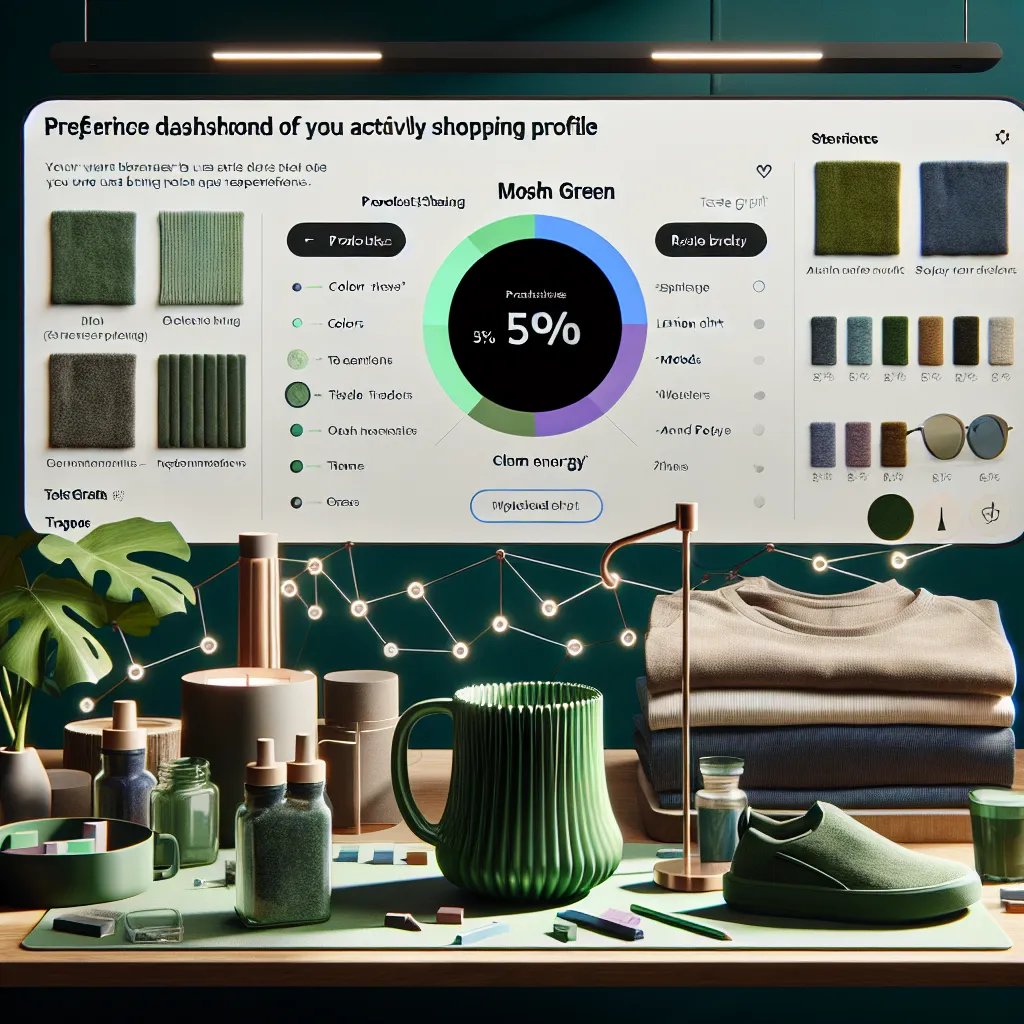
People want better recommendations — and they’re willing to share data to get them — but they also want control. This startup gives users a transparent “preference dashboard” where they actively train their shopping profile. Swipe-style interfaces let users rate colors, moods, textures, and themes — and get smarter recs in return. It also shows exactly what signals are driving recommendations. 50% of consumers believe more data sharing leads to better product recommendations, and 43% want brands to use their data to improve the experience. For example, a user who rates "moss green," "organic shape," and "calm energy" gets suggestions like a rippled green mug, linen shirt, and ambient wall sconce — all visually explained in their taste graph.
Description
No additional description provided.
The Pitch
In the digital age, personalized recommendations are not just a luxury but a necessity. Consumers are increasingly seeking tailored experiences, from the media they consume to the products they purchase. However, there is a growing concern about data privacy and control. Many users are eager to share their preferences but want transparency about how their data is used.
**The Problem**
Current recommendation systems often operate as black boxes, leaving users in the dark about why certain suggestions are made. This lack of transparency leads to mistrust and a hesitation to share personal data. Consumers desire recommendations that genuinely reflect their tastes and not merely generic options. There is a significant gap between the desire for personalization and the need for privacy and control over one's data.
**The Solution**
The proposed platform introduces a transparent and interactive recommendation system that empowers users to actively engage with their shopping profiles. At its core, the platform features a preference dashboard where users can train their profiles by interacting with a swipe-style interface. Users can rate elements like colors, moods, textures, and themes, which in turn fine-tunes their recommendations. Importantly, the platform provides a clear view of what data influences these recommendations, reinforcing trust and transparency.
**Product Details**
1. **Preference Dashboard**: A user-friendly interface that allows individuals to rate different elements of their preferences such as colors, materials, and aesthetics.
2. **Swipe-Style Interaction**: Easy and intuitive swiping actions that let users express their likes and dislikes. This gamified approach keeps engagement high and data input frictionless.
3. **Transparent Taste Graph**: A visual representation of the user's tastes, illustrating how different rated elements lead to specific recommendations. This transparency increases user confidence in the system.
4. **Smart Recommendations**: Based on user input, the system generates personalized product suggestions, showcasing how specific preferences influence these choices.
5. **Data Privacy Controls**: Robust privacy settings that let users determine what data gets shared and how it is used, addressing the unease around data privacy.
**Tools for MVP Launch**
- **Front-end**: Utilize React or Vue.js for creating a responsive and dynamic user interface. - **Back-end**: Leverage Node.js or Django to handle data processing and manage authentication. - **Recommendation Algorithm**: Implement machine learning models using Python libraries like TensorFlow or PyTorch to analyze preferences and generate recommendations. - **Database**: MongoDB or PostgreSQL for efficiently storing user data and preferences. - **Cloud Hosting**: Use AWS or Google Cloud Platform for scalable and secure cloud hosting. - **APIs**: Integrate with third-party APIs for additional data analytics and product suggestions.
**Go-To-Market (GTM) Strategy**
1. **Target Audience Identification**: Focus on tech-savvy consumers who seek personalized shopping experiences and value data privacy.
2. **Partnerships**: Collaborate with online retailers to integrate the recommendation system, providing them with a value proposition of better customer insights and increased sales.
3. **Marketing Campaigns**: Use social media, influencer collaborations, and targeted ads to generate buzz and attract initial users.
4. **Beta Testing**: Launch a beta version to gather user feedback and refine the platform based on real-world interactions and responses.
5. **Content Marketing**: Create informative and engaging content that highlights the benefits of personalized recommendations and transparent data usage.
**Business Model**
- **Subscription-Based**: Offer premium features through a subscription model, providing advanced analytics and customization options for users. - **B2B Licensing**: License the platform to e-commerce businesses, allowing them to offer personalized experiences to their customers while benefiting from embedded data analytics. - **Affiliate Partnerships**: Generate revenue through affiliate links on recommended products, earning a commission for conversions. - **Freemium Model**: Provide basic features for free, encouraging users to upgrade to access advanced functionalities.
By addressing the dual demands of personalization and privacy, this recommendation platform has the potential to disrupt the market, creating a new standard for consumer-centric e-commerce experiences.