USDC-Based Loyalty Rewards Revolution for Shopify
As Shopify merchants adopt USDC for payments, a new opportunity emerges to reimagine loyalty rewards. Traditional point systems are siloed, inflated, and hard to redeem. The solution is a USDC-native reward layer—where shoppers earn fractional cashback or tokenized points based on purchases, stored in a digital wallet they own. Merchants can spin up campaigns (e.g., “Double USDC rewards this weekend!”) and reward repeat buyers across any store using a shared loyalty layer. Now is the time—Shopify is offering 1% back in USDC, priming consumer expectations. A sneaker brand could offer 2% USDC back for early drops, with shoppers able to spend rewards at other merchants or convert to stablecoins. This turns loyalty into a liquid asset, aligning incentives and making crypto-native commerce sticky.
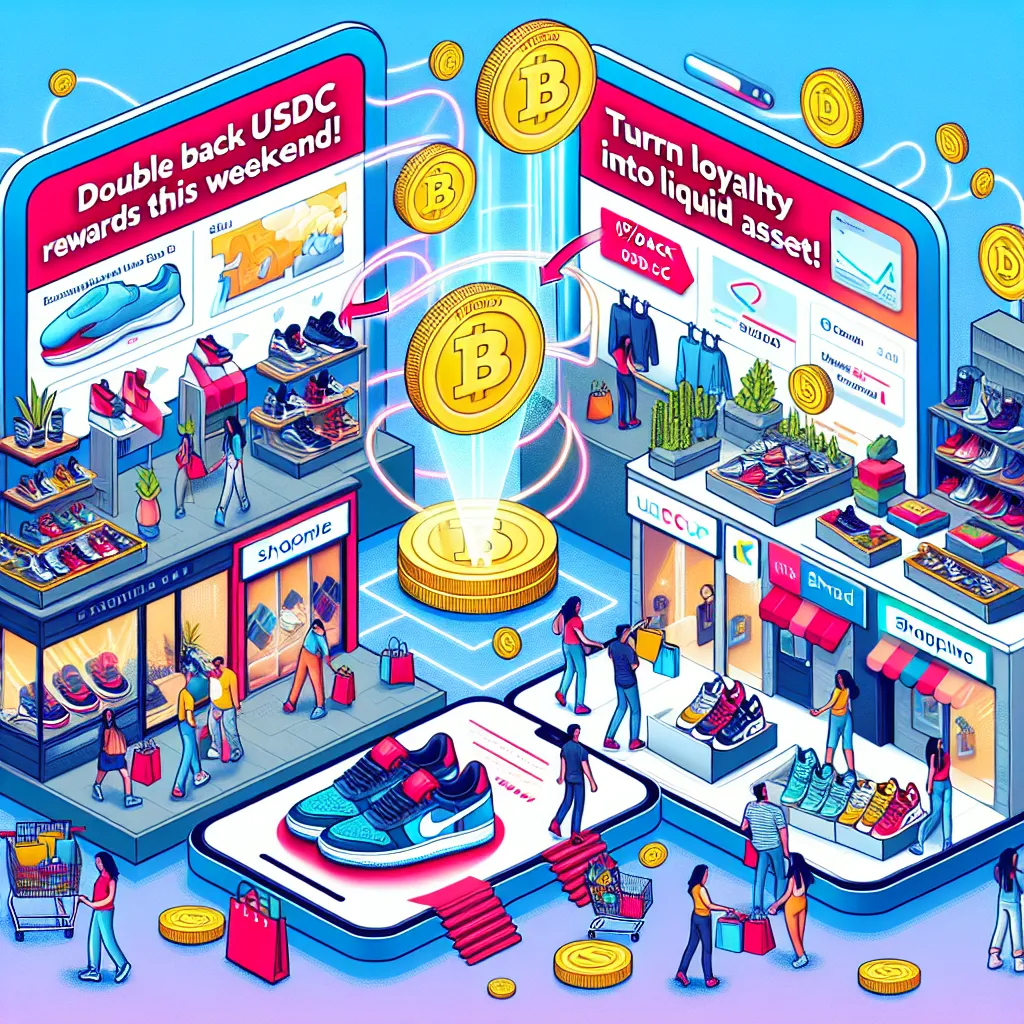
Description
No additional description provided.
The Pitch
In the evolving landscape of e-commerce, the integration of cryptocurrencies is not just a trend; it's becoming a strategic imperative. With major platforms like Shopify embracing digital currencies, primarily USDC, for transactions, there is an emerging opportunity to revolutionize how loyalty rewards are conceived, delivered, and redeemed.
### The Backstory
Traditional loyalty reward systems have long been plagued by inefficiencies. Points are often siloed within individual retailers, lack transparency, and can inflate in value, making them difficult for customers to redeem meaningfully. Additionally, these systems fail to provide genuine flexibility and value to consumers, limiting both engagement and retention.
### The Problem
The current loyalty models are outdated and ineffective in a world that is rapidly digitalizing and adopting decentralized solutions. Customers face challenges such as:
1. **Lack of Interoperability:** Points earned with one merchant are not redeemable with others. 2. **Inflationary Practices:** Points often lose value over time, diminishing customer trust. 3. **Complex Redemption Processes:** Customers frequently encounter cumbersome procedures to redeem their rewards, resulting in reduced usability.
### The Solution
Enter a USDC-native reward system. This innovative approach offers a seamless way for consumers to earn loyalty rewards that are universally applicable across participating merchants, offering them as liquid, value-held assets in digital format.
### Product Details
1. **Fractional Cashback and Tokenized Points:** Shoppers earn rewards in USDC or tokenized points, directly linked to their purchases. These are stored in a digital wallet that the shopper fully owns and controls.
2. **Merchant Flexibility:** Merchants can create and manage tailored campaigns easily. For instance, they can offer time-based incentives like Double USDC rewards this weekend to promote engagement.
3. **Intermerchant Operability:** Consumers can redeem their accumulated rewards with any participating merchant, making their rewards as flexible and liquid as cash.
4. **Promotional Alignment:** Merchants can align incentives with consumer trends. For example, a sneaker brand could provide 2% USDC back on early product releases, thereby driving early sales and brand loyalty.
5. **Conversion and Spendability:** Shoppers maintain the flexibility to either spend their rewards across supported merchants or convert them to stablecoins for broader financial utility.
### Tools for MVP Launch
To set up this system effectively, leveraging the following tools will streamline development and deployment:
- **Blockchain Platforms:** Utilize Ethereum or other compatible networks to ensure security and scalability. - **Smart Contracts:** Develop automated agreements to manage reward distribution and redemption. - **Digital Wallet Services:** Integrate with existing wallets or develop a bespoke wallet to store rewards. - **APIs and SDKs:** Employ tools that facilitate integration with e-commerce platforms like Shopify seamlessly.
### Go-To-Market Strategy
1. **Educate and Onboard:** Initiate a campaign to educate both merchants and consumers about the benefits of a USDC-native loyalty system through webinars and digital content.
2. **Partnerships:** Collaborate with key e-commerce platforms to encourage widespread adoption, leveraging their reach to onboard small and medium-sized businesses rapidly.
3. **Incentivize Early Adoption:** Offer bonuses or discounts for early adopters to drive initial engagement and generate buzz.
4. **Community Building:** Foster a community around the product through forums, social media, and feedback loops to continually refine and enhance the offering.
### Business Model
The business model centers around a SaaS framework:
- **Subscription Fees:** Merchants pay a monthly or annual fee to access the loyalty rewards platform and its features. - **Transaction Fees:** A nominal fee is charged per transaction or reward distribution. - **Premium Features:** Offer advanced analytics and campaign management tools at a premium to allow larger retailers to optimize their loyalty strategies.
In conclusion, the integration of a USDC-native reward system represents a pivotal shift in how loyalty programs are conceptualized and executed. By aligning consumer incentives with a flexible, interoperable, and value-driven approach, this solution not only meets current market needs but positions e-commerce merchants at the forefront of crypto-commerce innovation.