Urban Thermal Routing Grid
Imagine every painted surface in a city acting as a sensor and thermal actuator, adjusting reflectivity and evaporation to redirect heatflows in real-time, almost like a city-scale HVAC system. This startup would create a network of “programmable paints”, combining heat-reflective layers, micro-controlled misting nozzles, and mesh sensors. With enough coverage, cities could “route” heat toward unoccupied zones and away from schools or hospitals—flattening spikes in urban heat islands. It’s a cross between urban planning, edge computing, and material science. Today’s AI agents + cheap IoT + programmable coatings make this moonshot technically plausible—something no city considered before.
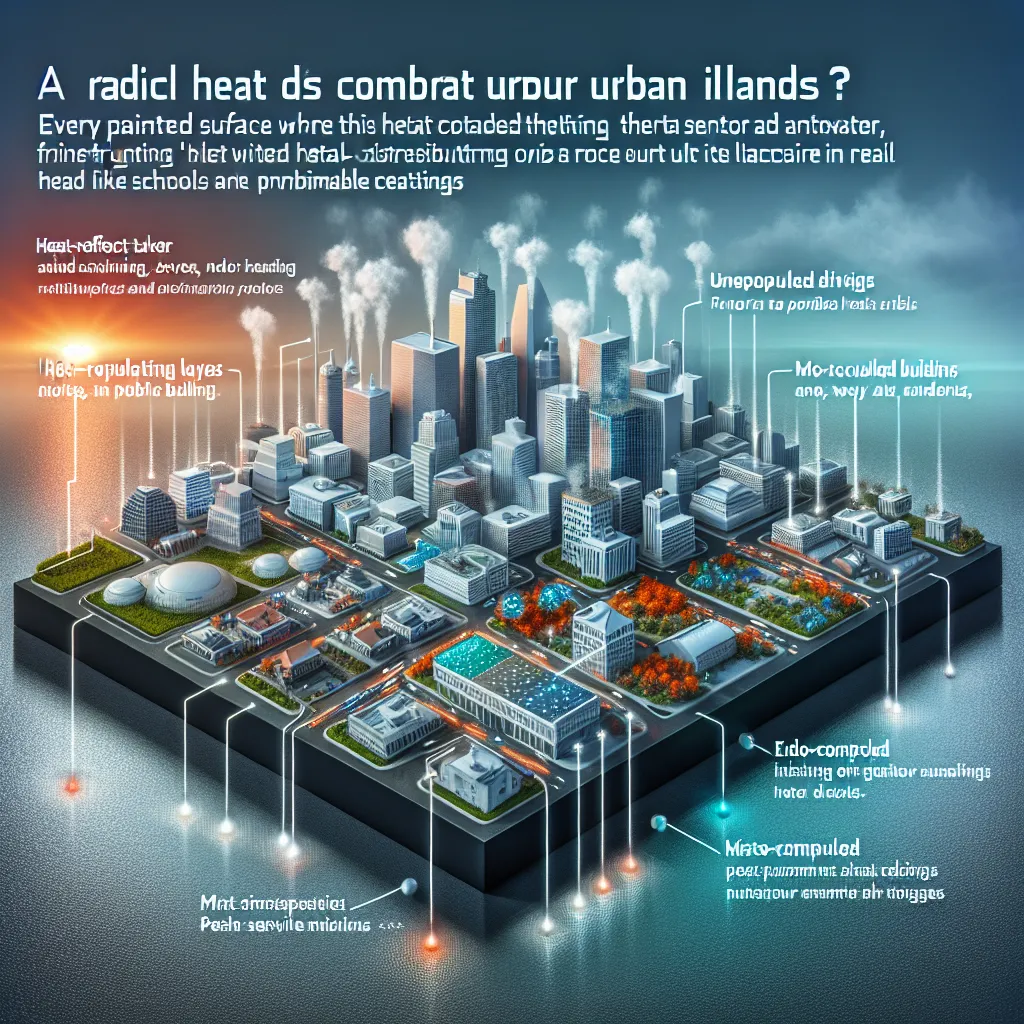
Description
No additional description provided.
The Pitch
Envision a city where every painted surface acts as a smart sensor and thermal actuator. This isn't a distant dream but a tangible innovation that can transform urban heat management. The idea is to create a network of programmable paints that integrate heat-reflective layers, micro-controlled misting nozzles, and mesh sensors. With sufficient coverage, cities can effectively manage and redirect heat flows, reducing the impact of urban heat islands.
Backstory
Cities worldwide are grappling with the challenge of urban heat islands. As buildings, roads, and other infrastructure absorb and retain heat, city temperatures can soar to levels significantly higher than surrounding rural areas. This phenomenon intensifies during heatwaves, posing risks to human health, energy consumption, and overall urban sustainability. Traditional cooling methods are either too localized or energy-intensive, failing to address the wider environmental impact. The intersection of urban planning, edge computing, and material science offers a unique opportunity to tackle this problem at scale.
Problem
Urban heat islands exacerbate energy consumption, contribute to air conditioning overloads, and compromise health by increasing the likelihood of heat-related illnesses. Vulnerable populations, particularly in densely populated areas around schools and hospitals, face enhanced risks. Current methods of mitigating urban heat, such as increasing green spaces, are vital but insufficient on their own due to space constraints and resource demands.
Solution
This startup aims to revolutionize urban heat management through a network of programmable coatings. These smart surfaces will regulate reflectivity and evaporation, interacting dynamically with environmental changes to route excess heat toward less populated areas. By integrating heat-reflective paints, micro-controlled misting systems, and mesh sensors, entire city zones can be transformed into intelligent climate systems, redistributing heat effectively and efficiently.
Product Details
1. Programmable Paints: These innovative coatings blend thermal and reflective materials with nanotechnology, allowing surfaces to adapt their heat-reflecting properties based on real-time environmental data.
2. Micro-Controlled Misting Nozzles: Installed discreetly on buildings, these nozzles release a fine mist to cool areas through evaporation, directed by real-time sensor data.
3. Mesh Sensors: A network of sensors gathers environmental data, monitoring temperature fluctuations, humidity, and occupancy levels to optimize the system's functionality.
4. Centralized Control Interface: An AI-driven platform processes data from the sensors to control the paint's reflectivity and the misting nozzles' activity, ensuring optimal heat redistribution.
Tools for MVP Launch
To bring this concept to life, implementing a Minimum Viable Product (MVP) is essential. The following tools and strategies can be deployed:
- IoT Platforms: Leverage existing IoT platforms such as AWS IoT or Google Cloud IoT for basic connectivity and data management. - Prototyping Materials: Use materials like heat-reflective paints and misting nozzles available from industrial suppliers to create initial prototypes. - Edge Computing: Utilize edge devices for real-time data processing and decision-making, ensuring the system's responsiveness and reliability. - AI Software: Implement machine learning algorithms to analyze environmental data and refine the control strategies over time.
Go-to-Market Strategy
The go-to-market strategy will focus on:
1. Pilot Programs: Collaborate with city councils and urban planners to conduct pilot programs in small districts, showcasing the system's effectiveness and gaining public and governmental support.
2. Partnerships: Establish strategic partnerships with construction firms, urban developers, and paint manufacturers to integrate the technology into new and existing infrastructures.
3. Awareness Campaigns: Run awareness campaigns highlighting the environmental and health benefits of the system, engaging communities and decision-makers.
4. Incremental Rollouts: Gradually expand the system's deployment based on pilot success, targeting key areas with the highest urban heat island impacts.
Business Model
The business model will revolve around a service-based approach, offering subscription services to city governments and commercial real estate developers. Key components include installation fees, subscription for data and system management, and ongoing maintenance services. Additionally, partnerships with sustainability initiatives or governmental programs may unlock funding and support for broader implementation.
Through innovative integration of programmable paints and IoT technology, this startup aims to turn urban surfaces into smart climate-control assets, reimagining how cities can effectively manage and mitigate heat, ensuring a healthier, more sustainable urban environment.