Unlocking Music Algorithms: Artist Empowerment Toolkit
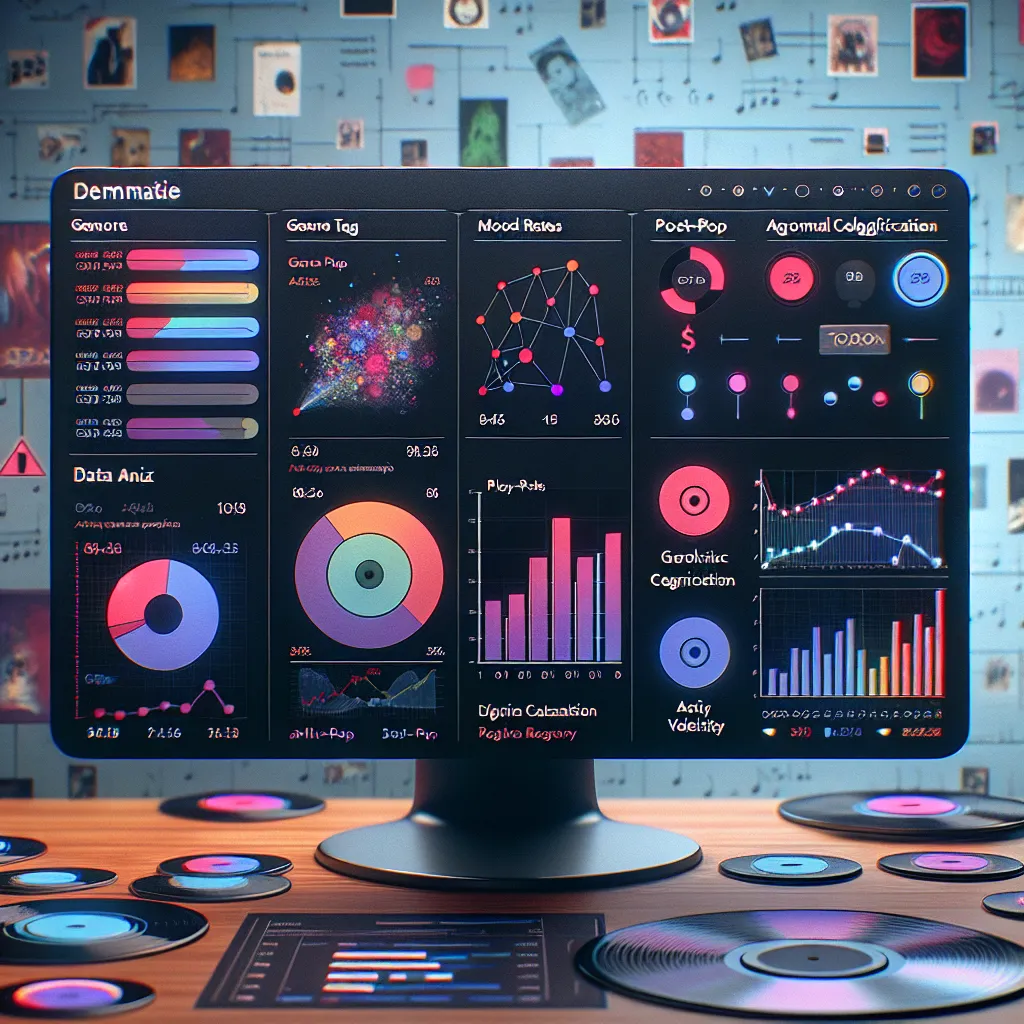
Music algorithms are a black box. Artists spend months promoting a new release, only to find it buried by playlist logic they can’t see or influence. The problem: platforms offer basic analytics, but don’t explain why songs fail to get recommended. The solution is a toolkit that shows artists how they’re being indexed—analyzing genre tags, mood classifications, play-through rates, and algorithmic velocity. Think of it like SEO tools (e.g., Ahrefs) but for Spotify. The trend: artists are increasingly entrepreneurial and data-driven, and music discovery is now driven more by machines than humans. An indie band could use the toolkit to see that their new single was categorized as “alt-pop” instead of “post-punk,” hurting placement. With this intel, they can retune metadata and re-submit. Giving artists algorithm visibility helps democratize the streaming game—and could lead to smarter, more diverse discovery for all.
Description
No additional description provided.
The Pitch
The music industry has experienced a seismic shift over the last decade. With the advent of streaming platforms, artists have new avenues for distribution and exposure. However, this has also introduced complexities in how music is discovered and consumed. The dependence on platform algorithms means that artists often find themselves at the mercy of mysterious, ever-changing systems that determine their visibility and success. Despite their best efforts in crafting and promoting new releases, artists frequently face the disheartening challenge of their work being overshadowed by algorithmic decisions they cannot see or influence.
**The Problem**
The core issue is the opacity of music streaming algorithms. These systems decide which songs to recommend and push to listeners, yet they provide only basic analytics to artists, such as total plays or demographic data. This lack of insight into the algorithmic processes leaves artists guessing why their songs may not be getting the traction they crave. Without understanding how their tracks are being categorized and surfaced, artists cannot effectively strategize to improve their visibility and reach their desired audience.
**The Solution**
Imagine a specialized toolkit designed specifically for artists, offering deep insights into how their music is being indexed by streaming algorithms. This tool would dissect various metadata components such as genre tags, mood classifications, and play-through rates. Furthermore, it would break down a song’s 'algorithmic velocity'—essentially how actively a song is being recommended by the platform at any given time. This tool can be imagined as the music industry’s version of SEO tools like Ahrefs or SEMrush, but tailored for Spotify and similar platforms.
**Product Details**
This innovative toolkit provides:
- **In-depth Metadata Analysis**: Understand how your music is being classified and what genre or mood tags are attached. - **Algorithmic Insights**: Track how frequently and prominently your songs are being recommended. - **Performance Metrics**: Analyze play-through rates and listener engagement. - **Optimization Suggestions**: Get actionable recommendations on how to adjust metadata for better visibility.
**Tools for MVP Launch**
To get started with building this toolkit as a Minimum Viable Product (MVP), consider leveraging existing technologies and frameworks:
- **Data Collection and Analytics**: Use APIs from major streaming platforms (where available) combined with data processing tools like Python and R. - **Web Development**: Develop a user-friendly dashboard using frameworks such as React or Angular to present data in an intuitive way. - **Data Visualization**: Implement tools like D3.js or Tableau for creating insightful, interactive graphs and charts. - **Machine Learning**: Incorporate ML models to predict algorithmic behavior and provide personalized recommendations.
**Go-To-Market Strategy (GTM)**
1. **Target Audience**: Focus initially on independent artists and small labels who are more agile and eager to adopt data-driven tools. 2. **Partnerships**: Collaborate with artist communities, music schools, and independent music labels to raise awareness. 3. **Educational Content**: Develop webinars, tutorials, and guides to educate artists on the importance of understanding streaming algorithms. 4. **Freemium Model**: Offer a free tier with basic insights, while advanced features require a subscription. This encourages widespread adoption and allows artists to see value before committing financially.
**Business Model**
The business model will focus on subscription-based revenue, giving users access to advanced features and deeper insights at various pricing tiers. Offering custom enterprise solutions for larger labels and agencies could also be a significant revenue stream. Additionally, affiliate partnerships with music marketing agencies can be explored.
By providing transparency and empowering artists with the understanding of streaming algorithms, this toolkit not only helps individuals strategically improve their presence on these platforms but also encourages a more democratized and fair music discovery process. This solution taps into the increasing trend of artists seeking entrepreneurial and data-driven approaches to building their careers in the ever-evolving digital music landscape.