Unlocking Edible Versions of Iconic Scents
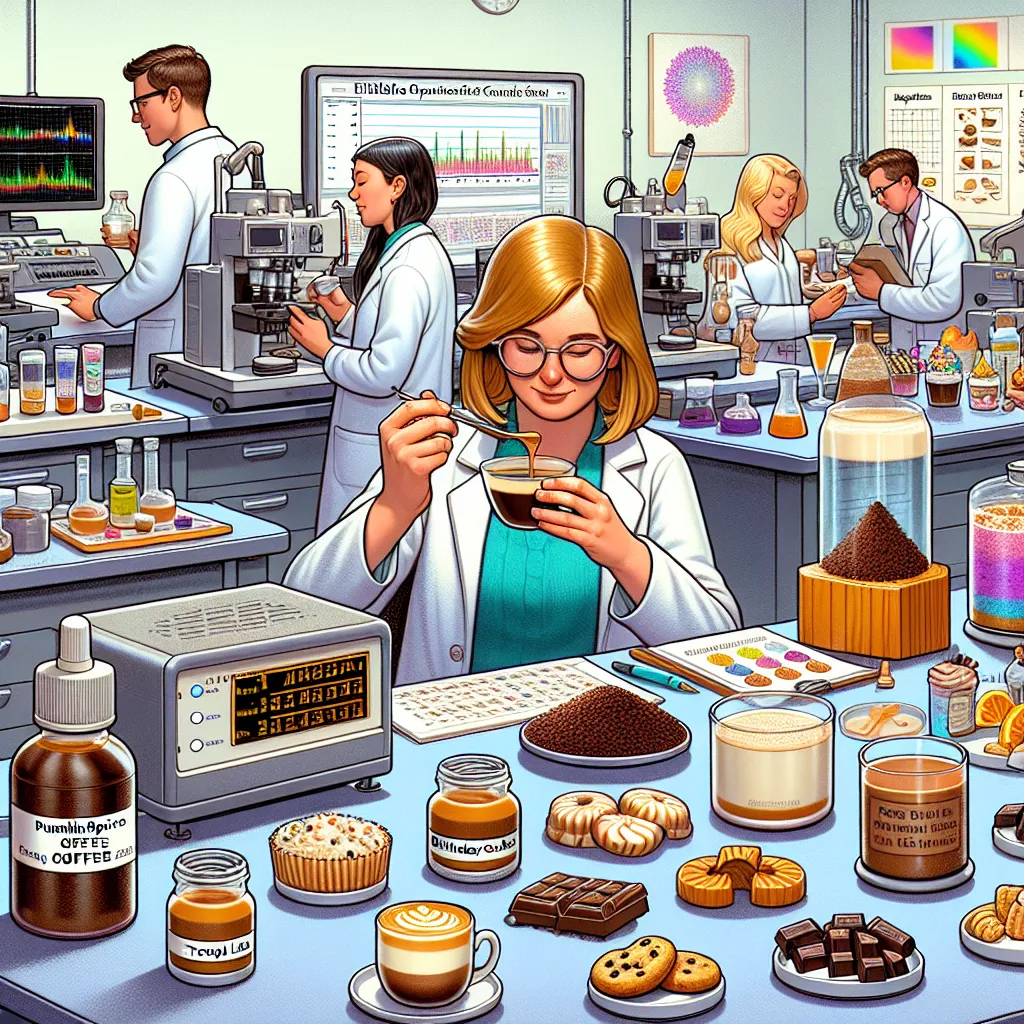
Candles, coffee beans, and “tropical paradise” room sprays smell unbelievable—and then the food or drink version never tastes the same. Coffee especially: the beans smell like heaven; the cup tastes… fine. The problem: our favorite scent experiences rarely have a matching edible experience. The solution: a flavor R&D studio that builds safe, edible twins of iconic smells. Start with coffees that taste like the beans smell, then expand to “candle flavors”: salted caramel, birthday cake, tropical luau—recreated as chocolates, gummies, syrups, or drink drops. Behind the scenes, the same spectrum analysis + flavor chemist talent from the lost-foods lab is tuned not to copy an existing snack, but to chase a smell profile and translate it into a balanced flavor. Why now? DTC food brands, TikTok snack culture, and flavor collabs are massive; scent and flavor data are finally measurable enough to systematically bridge the gap. Example: a “Pumpkin Spice Candle Kit” that gives you a candle, plus matching cookies and latte syrup that actually taste like that first whiff. This needs to exist because the world’s best flavors are currently trapped in wax.
Description
No additional description provided.
The Pitch
In the realm of sensory experiences, there’s a notable divergence between what we smell and what we taste. While products like candles, coffee beans, and room sprays offer intoxicating aromas, the corresponding tastes often fall short, particularly with coffee. This disconnect leads to a frequent disappointment for consumers who desire a seamless integration between scent and flavor.
At the heart of this issue is the challenge of capturing beloved scent profiles and translating them into edible counterparts. The dilemma presents an intriguing opportunity: how do we harness the art and science of flavor creation to bridge this gap?
Enter the concept of a flavor research and development studio with a singular mission—to craft edible versions of iconic aromas. Initially focusing on coffee, the goal is to create a brew that truly mirrors the delectable scent of its beans. From there, the venture can expand into developing “candle flavors” such as salted caramel, birthday cake, and tropical luau, transforming them into chocolates, gummies, syrups, or drinkable enhancers.
The foundation of this endeavor would draw on advanced techniques such as spectrum analysis combined with the expertise of seasoned flavor chemists. These professionals would use their skills not merely to replicate existing snacks, but to follow the scent trail and faithfully convert it into a balanced, palatable flavor.
The timing for such a venture could not be better. The convergence of trends like direct-to-consumer food brands, the vibrant snack culture on platforms like TikTok, and the growing prevalence of flavor collaborations have laid the groundwork for this innovation. Moreover, advances in scent and flavor data analytics offer unprecedented opportunities to systematically close the gap between smell and taste.
An illustrative product could be a Pumpkin Spice Candle Kit, which includes a delightful candle paired with cookies and latte syrup that genuinely capture the aroma of the initial whiff. This example speaks to the broader mission: liberating the world's best flavors from the confines of wax and allowing consumers to embrace them fully.
For those intrigued by the potential of bringing this concept to life, the journey begins with constructing an MVP (Minimum Viable Product). This could involve:
1. Collaborating with flavor chemists experienced in both natural and artificial flavor development. 2. Leveraging tools for spectrum analysis to dissect and understand scent profiles. 3. Partnering with candlemakers and culinary artisans to ensure quality production.
The go-to-market strategy would capitalize on the rich potential of social media platforms, where visual and sensory experiences reign supreme. Initial marketing could target niche groups through strategic partnerships with popular influencers or brands synonymous with luxury scents and flavors.
As for the business model, a subscription service could ensure consistent revenue while enticing consumers to explore new scent-flavor pairings each month. Additionally, retail partnerships with gourmet food stores, coffee shops, and specialty gift shops would strengthen market presence.
In essence, this initiative seeks to redefine sensory indulgence by harmonizing two senses that rarely meet—scent and taste. By doing so, it opens up a new frontier for flavor innovation, ready to captivate those who have longed for their favorite scents to be experienced as equally delightful tastes.