Unlock Profits with Seasonal Arbitrage Platform
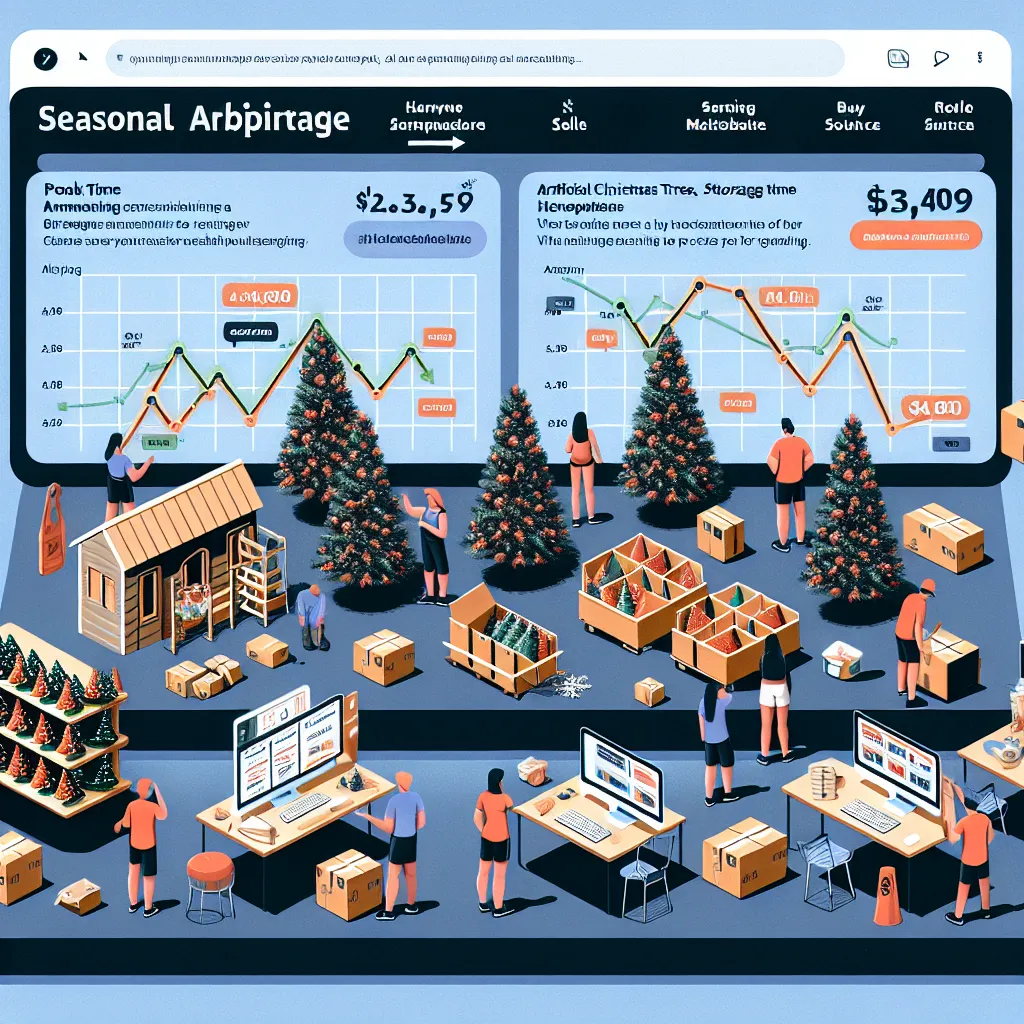
Many aspiring entrepreneurs overlook the power of seasonal pricing, missing opportunities to buy low and sell high based on the calendar. A dedicated platform could teach seasonal arbitrage strategies, showing users when and where to buy surplus seasonal products (like Christmas trees in July or Halloween decor in November) and resell at peak season prices. By offering curated alerts, training videos, and sourcing guides, users could launch a profitable side hustle with low startup costs. “Seasonal arbitrage can make you rich.” For example, users might buy a pallet of $5 artificial trees in July, store them in a garage, and sell them on Facebook Marketplace for $50+ each in December, capitalizing on demand and convenience. This model works for any seasonal good and could build recurring income around holidays while avoiding competition in trendy markets like electronics or apparel.
Description
No additional description provided.
The Pitch
Many aspiring entrepreneurs often miss out on the lucrative opportunities presented by seasonal pricing. With the correct approach, these individuals could take full advantage of the natural ebb and flow of market demand throughout the year. A robust platform focused explicitly on teaching seasonal arbitrage strategies could revolutionize the way people think about and engage with buying and selling seasonal products. By guiding users on when and where to acquire surplus seasonal items—such as purchasing Christmas trees in July or Halloween decorations in November—and instructing them on reselling at peak season prices, the platform could empower users to launch a profitable side business with minimal startup costs.
The key problem for many would-be entrepreneurs is a lack of understanding about how to effectively leverage seasonal trends. Often, goods associated with holidays or specific times of the year are available at significantly reduced rates in the off-season, yet few people take advantage of these discounts. Instead, they end up competing in crowded, trendy markets like electronics or fast fashion, where competition is fierce and margins are often slim.
A potential solution lies in creating a comprehensive platform tailored to teaching seasonal arbitrage. This platform would offer a suite of resources including curated alerts to notify users of when stock in off-season items is at its lowest cost. It would also provide training videos that cover the nuances of the market, teaching effective buying and reselling techniques. Finally, sourcing guides would be available to help users identify reliable suppliers and optimal storage solutions for their collections.
For example, a step-by-step guide could illustrate how users might purchase a pallet of $5 artificial trees in the summer and store them until December. When the demand peaks, these trees could be sold on social media platforms like Facebook Marketplace for $50 or more each, providing the seller with a robust return on investment. This model isn't limited to Christmas trees or holiday decor but could be extended to virtually any seasonal product, allowing users to build recurring income streams linked to holidays throughout the year.
Launching this concept as a minimum viable product would require several tools to simplify the initiation process. These could include an intuitive website builder for creating a user-friendly platform, a subscription management service for handling any potential membership fees, and a robust customer relationship management system to maintain engagement with users. Additionally, leveraging email marketing tools to communicate alerts and offer insights could be invaluable.
The go-to-market strategy could center around building an initial user base through social media campaigns and forming partnerships with influencers in the entrepreneurial niche. Educational webinars or workshops could also be effective ways to demonstrate the power of seasonal arbitrage to potential users.
The business model could involve a subscription service where users pay a monthly or annual fee to access the comprehensive suite of tools, guides, and alerts. Another revenue stream could come from affiliate partnerships with suppliers, where the platform receives a commission for helping direct buyers to specific vendors.
Implementing this initiative has the potential to transform the financial prospects of countless individuals, teaching them to capitalize on market patterns often overlooked by traditional retail strategies. Through strategic buying and selling, not only can users take advantage of off-season deals, but they can also generate significant income by understanding and exploiting temporal demand shifts in consumer behavior.