Universal Entity Clarity Layer for AI Context
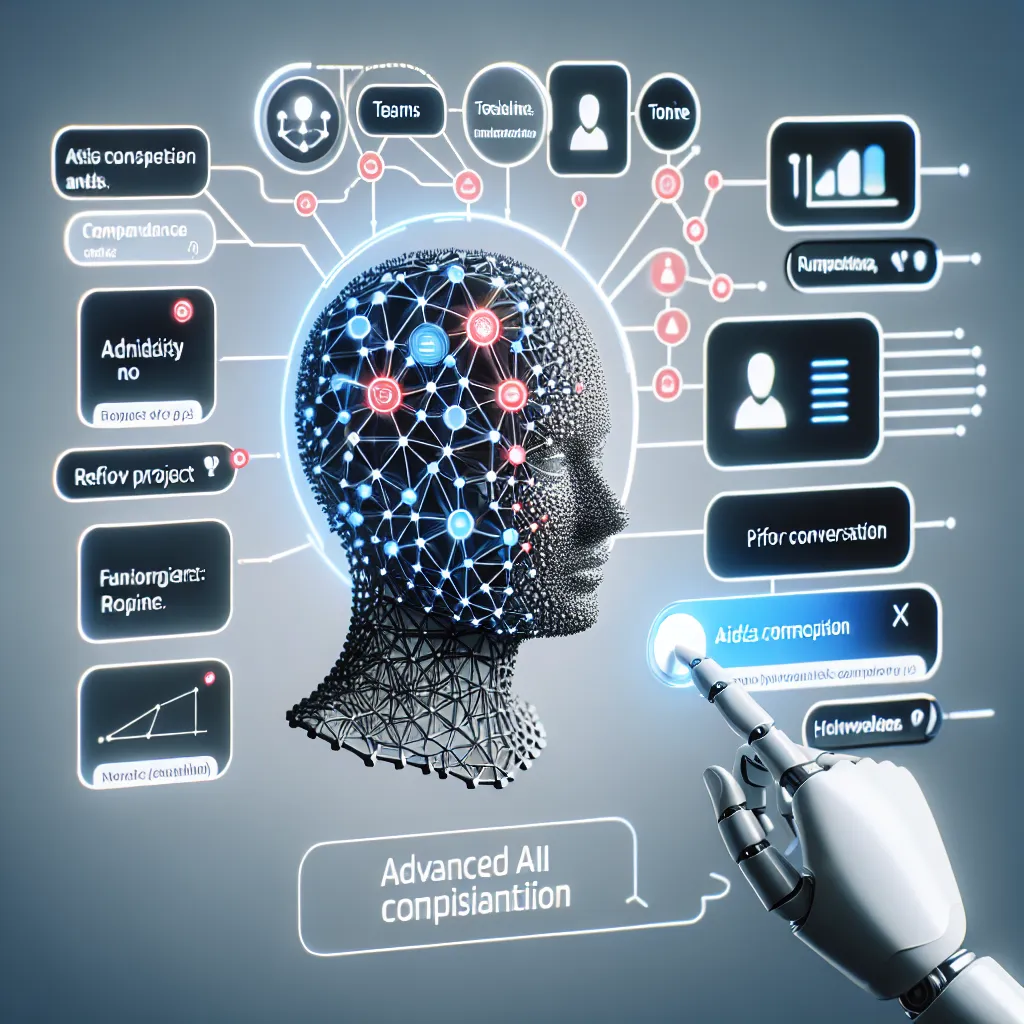
Most AI tools still treat users like strangers every time—they don’t understand who you are, how your business works, or what any of your nouns mean. The opportunity is a universal “entity clarity layer” that builds a persistent ontology of your world—people, teams, products, workflows—and feeds that structured identity into any model. As AEO (AI Engine Optimization) becomes the new SEO, context and clarity become the hidden levers that massively improve performance. Imagine writing “send this to John” and your AI instantly knows which of the five Johns you mean, what project it relates to, the last conversation, and the right tone to use
Description
No additional description provided.
The Pitch
In the rapidly advancing realm of artificial intelligence, most tools struggle with a common ailment: a lack of contextual understanding of their users. These tools often fail to recognize the nuanced ecosystem of users' businesses, including the people, processes, and unique terminology that define them. The constant need for users to repeatedly input context results in inefficiencies, leading to frustration and decreased productivity.
The Problem
Many AI tools lack the capacity to understand and remember the specific context of businesses and individuals. The absence of an integrated system to discern entities—such as people, teams, projects, and workflows—results in AI suggestions and actions that can be off-target or impersonal. This lack of personalization can hinder productivity and impede the seamless integration of AI into daily business operations.
The Solution
What if there were an overarching entity clarity layer that could manage and persistently update an ontology unique to each user? This layer would build a comprehensive understanding of users' contexts and could be integrated with any AI model. By providing structured identity and clarity, this system would improve AI performance, creating a more personalized and efficient interaction. Imagine giving a command as simple as send this to John, and the AI would understand which John, the project at hand, the historical context, and the desired tone of communication.
Product Details
The proposed solution is a universal entity clarity layer. This tool would capture all relevant data entities—individuals, teams, products, workflows—and craft a continuously evolving ontology tailored to each user's business environment. It will integrate seamlessly with existing AI systems, enhancing them with context-aware capabilities.
Key components would include:
1. Data Entity Mapping: Capturing and categorizing essential data entities in the user's ecosystem. 2. Continuous Learning: An adaptive model that updates its understanding based on user interactions and feedback. 3. Cross-Platform Integration: Compatibility with existing AI applications and workflows. 4. Contextual Recommendations: Enabling AI tools to deliver more relevant and personalized suggestions.
Tools for MVP Launch
To expedite the development and deployment of this solution as a Minimal Viable Product (MVP), consider utilizing:
- Natural Language Processing libraries to parse and understand user inputs. - Ontology management tools for building and maintaining user-specific data structures. - APIs for seamless integration with existing AI and business applications. - Cloud services to ensure scalability and accessibility.
Go-To-Market Strategy (GTM)
1. Identify early adopters: Target businesses heavily reliant on AI for operations, such as tech firms, customer service providers, and data analytics companies. 2. Partnerships: Collaborate with existing AI platforms to offer the entity clarity layer as a valuable add-on. 3. Education: Conduct workshops and webinars to demonstrate the value of context-aware AI, building interest and awareness. 4. Content Marketing: Share case studies and user success stories to bolster credibility and showcase tangible benefits.
Business Model
The business model could be structured around a subscription-based SaaS platform. Different pricing tiers can cater to various user needs:
1. Basic Tier: For smaller businesses or individual users with limited integration needs. 2. Professional Tier: For medium-sized businesses requiring more extensive features and integrations. 3. Enterprise Tier: For large corporations with the need for highly customized solutions and premium support services.
Conclusion
The proposed universal entity clarity layer represents an evolutionary step in the AI landscape, providing a deeper, more intuitive level of interaction between machines and humans. By delivering personalized, context-aware AI experiences, this solution not only enhances productivity but also empowers businesses to unlock the full potential of their AI investments.