Universal AI Concierge for Mundane Phone Tasks
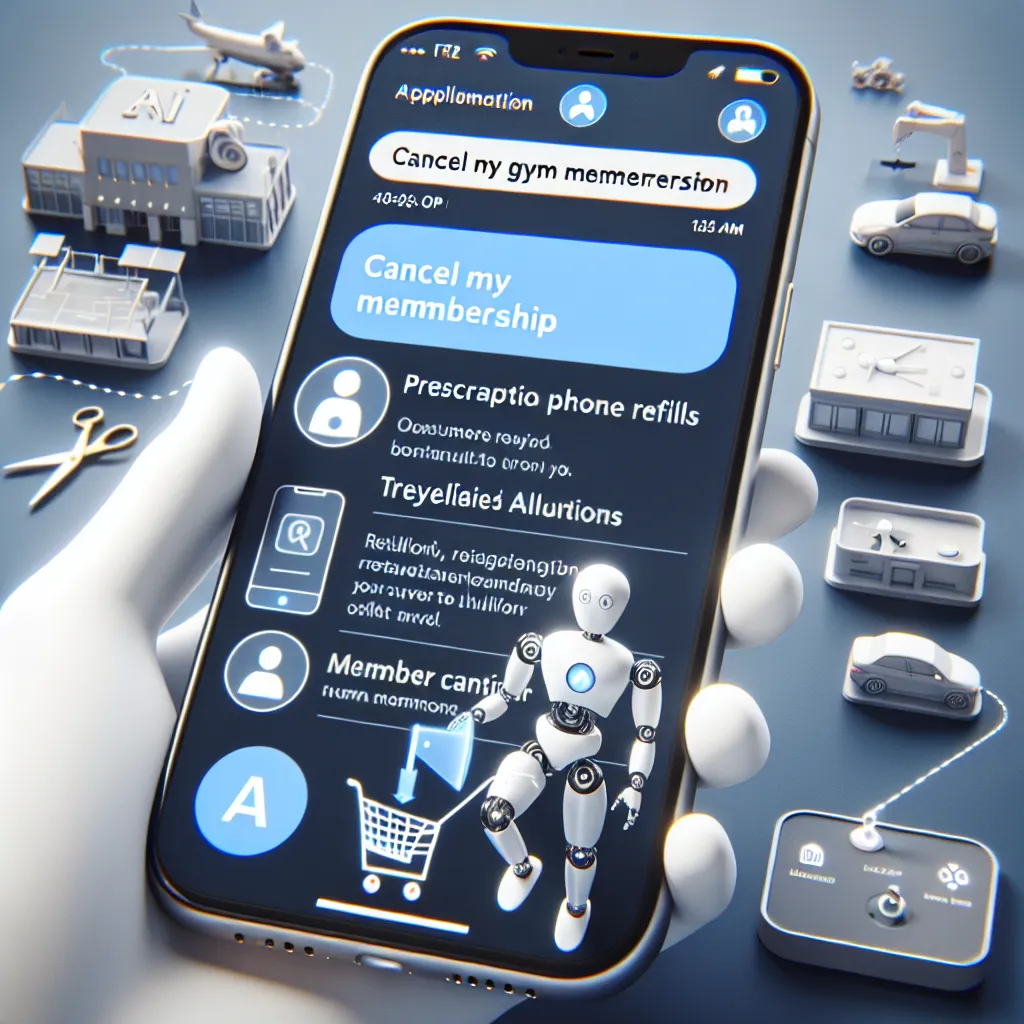
For decades, personal assistants have been a luxury — yet millions of people still waste time on mundane phone tasks like canceling memberships, refilling prescriptions, or changing travel plans. The solution is a consumer app that lets you type any request, and an AI handles it by phone. Why now? Voice AI can finally carry a humanlike conversation across any industry, and consumers are comfortable outsourcing life admin to digital tools. Imagine telling the app “cancel my gym membership” — your bot calls, navigates the retention tactics, and emails you the confirmation. Over time, it becomes a true universal concierge, quietly stitching together the offline and online worlds through nothing more than phone calls.
Description
No additional description provided.
The Pitch
For a long time, having a personal assistant was seen as a luxury, reserved for those with significant resources. Despite technological advancements, many still find themselves spending valuable time on routine phone tasks, such as canceling memberships, refilling prescriptions, or altering travel plans. This presents a significant problem in our fast-paced world where time is at a premium.
The solution lies in creating a consumer-focused application that empowers users to type any request they might have, with an AI handling the task via phone. This breakthrough is timely due to advancements in voice AI technology that now support humanlike conversations across various industries. Moreover, as consumers grow more comfortable with delegating life administration tasks to digital tools, the potential for such an app to be embraced is significant.
Consider an app where a user simply inputs cancel my gym membership. From there, an AI-powered bot seamlessly makes the call, expertly navigates through any retention strategies employed by the gym, and promptly emails the user with the confirmation of the cancellation. As users engage with the app over time, it evolves into a genuine universal concierge. This AI acts as a bridge between the offline and online worlds, handling tasks that require human-like interaction through phone calls.
Building this application involves leveraging various tools and technologies to ensure a smooth launch as a Minimum Viable Product (MVP). Developers might consider platforms such as Google Cloud AI or Amazon Lex for robust conversational AI capabilities. Integration with telephony services like Twilio can facilitate the bot's capability to make dynamic phone calls. These tools simplify the development process and provide a solid foundation for the application’s key functionalities.
When considering the strategy for bringing this application to market, a combination of digital marketing and strategic partnerships could prove effective. Partnering with tech influencers and digital lifestyle bloggers can generate awareness and showcase real-world use cases of the app. Additionally, offering referral incentives to early adopters can accelerate user acquisition while feedback loops from these users facilitate continuous improvement of the app’s functions.
The business model for this application can revolve around a freemium approach. Basic functions such as simple calls and tasks can be offered free of charge, enticing new users to explore the app's capabilities. More complex services or tasks, such as those requiring extended interaction or negotiating skills, could be offered as premium features for a monthly or yearly subscription fee. Over time, value-added services, possibly through partnerships, can be introduced to further enhance revenue streams.
In summary, this AI personal assistant app holds immense potential by addressing the universal need to save time. By providing a seamless way to manage routine tasks, it has the capability to make its users' lives significantly easier, blurring the distinctions between the digital and physical realms through advanced artificial intelligence.