Universal Agent Loyalty Program for Shopping Rewards
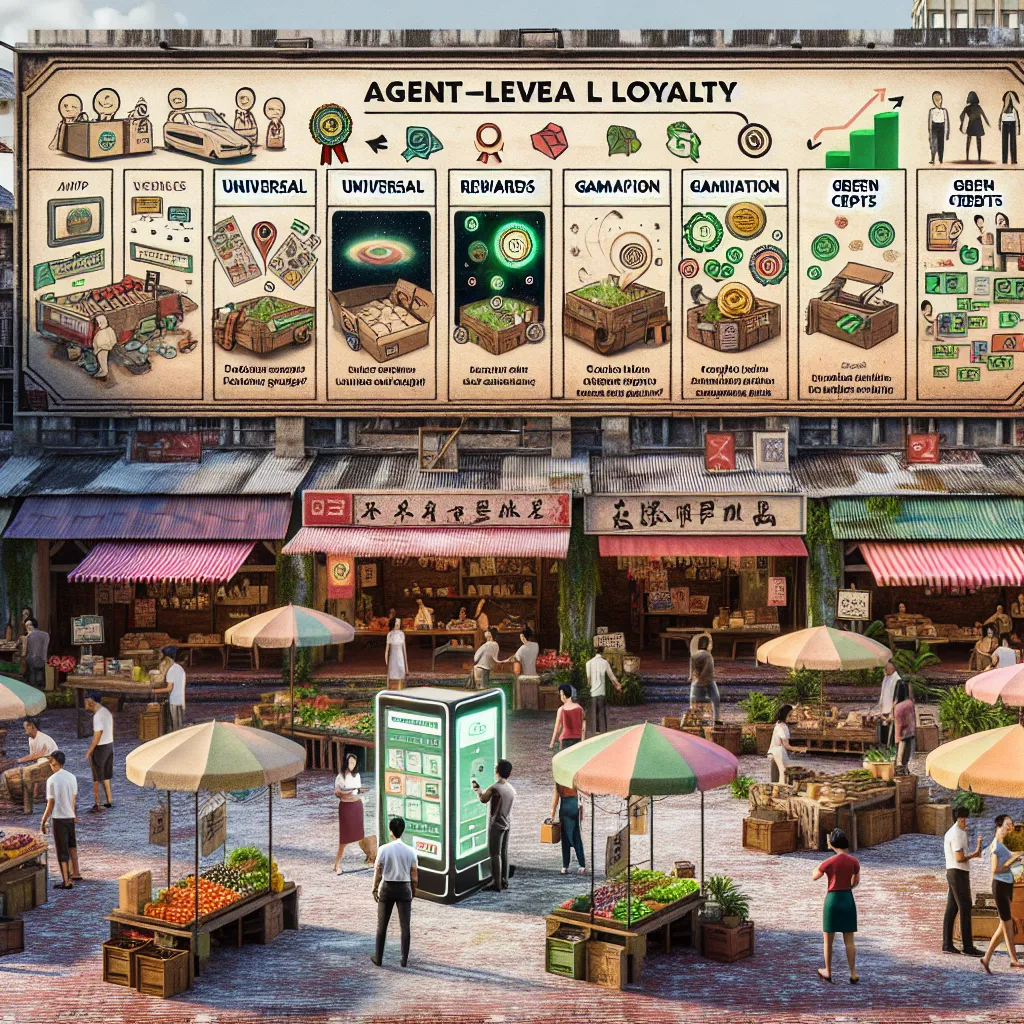
In the old world, loyalty lived with the retailer—Starbucks points, Amazon Prime, Sephora Insider. But if agents now intermediate all shopping, merchant-specific loyalty loses power. The problem: users will default to whatever agent is cheapest, killing long-term retention. The solution is agent-level loyalty—a universal rewards program where credits, perks, or tokens accumulate across purchases. Agents could gamify discovery (“buy three sustainable products, unlock a badge”) or pool rewards across categories. Why now? Because ACP creates a common transaction layer, enabling cross-merchant reward systems for the first time. Example: imagine an “Eco Agent” that rewards you with green credits every time you buy sustainable goods. Those credits can be redeemed for discounts or donations, building both stickiness and mission alignment. In a world where agents threaten to commoditize shopping, loyalty is the moat—and whoever builds the first agent-native rewards protocol can set the rules of retention.
Description
No additional description provided.
The Pitch
In the traditional retail landscape, customer loyalty was anchored to specific merchants—think of loyalty programs such as Starbucks Rewards, Amazon Prime, or Sephora Insider. These programs encouraged repeat purchases by offering exclusive perks and benefits, effectively tying customers to particular brands. However, with the rise of intelligent shopping agents and intermediaries that streamline the shopping process, the power of merchant-specific loyalty programs diminishes. As the transaction landscape evolves, a new approach to customer retention is necessary.
**The Problem**
In a marketplace where shopping agents increasingly mediate transactions, customers are likely to switch between agents based on cost or convenience. This threatens the conventional model of loyalty, as merchant-specific programs lose influence, leading to reduced customer retention and decreased brand loyalty. Retailers and service providers face the challenge of maintaining customer engagement and fostering long-term relationships in an environment where consumers are lured by the cheapest or quickest option available through an intermediary.
**The Solution: Agent-Level Loyalty**
The solution lies in developing an agent-level loyalty system—a universal rewards program where customers accumulate benefits, such as credits, perks, or tokens, across various merchants when using a specific shopping agent. This system could gamify consumer behavior by introducing achievements such as “buy three sustainable products to unlock a badge,” or allow consumers to pool rewards across different spending categories. By creating a universal rewards structure, consumers are incentivized to remain loyal to an agent, enhancing both stickiness and relationship durability.
**Product Details**
Imagine an “Eco Agent” that rewards consumers every time they purchase sustainable goods. The rewards—green credits—can be redeemed for discounts on future purchases or even donations to environmental causes. This approach not only encourages sustainable shopping but also aligns consumer behavior with broader environmental missions, enhancing customer engagement and satisfaction.
The advent of Agent Commerce Protocol (ACP) opens up a shared transaction infrastructure, making cross-merchant reward systems viable for the first time. This allows for the creation of a seamless, integrated loyalty program that enhances the shopping experience, provides meaningful rewards, and facilitates mission-driven consumer engagement.
**Tools for Launching an MVP**
1. **Loyalty Management Platforms**: Use platforms like Smile.io or Loyverse to design customizable loyalty programs. 2. **Blockchain Technology**: Employ blockchain to securely manage and distribute loyalty tokens or credits across merchants. 3. **Mobile App Development**: Create an app interface using tools like Flutter or React Native to enhance user interaction and engagement. 4. **Data Analytics Tools**: Use platforms like Mixpanel or Google Analytics to track consumer behavior and optimize reward structures.
**Go-To-Market Strategy**
1. **Partnerships**: Collaborate with a diverse range of merchants to offer a wide spectrum of rewards, increasing the program’s attractiveness. 2. **Education and Awareness**: Launch targeted marketing campaigns to educate consumers about the benefits of the agent-level loyalty program and how it aligns with their values. 3. **Incentives**: Provide early adopters with bonus credits or exclusive rewards to encourage initial sign-ups. 4. **Feedback Loop**: Establish mechanisms for user feedback to continuously improve the program offerings and enhance consumer satisfaction.
**Business Model**
The business model for an agent-level loyalty program could include subscription fees from participating merchants, who would benefit from increased sales and customer retention. Additionally, the program could monetize data insights by analyzing consumer behavior patterns to help merchants tailor their offerings. Further revenue can be generated through transaction fees or partnerships with environmental organizations or NGOs for mission-driven incentive schemes.
By pioneering the agent-native rewards protocol, businesses can craft a compelling moat in an otherwise commoditized shopping environment, setting the standards for consumer retention and loyalty in the digital age.