Unified Wallet Management for Corporates' Bank Accounts
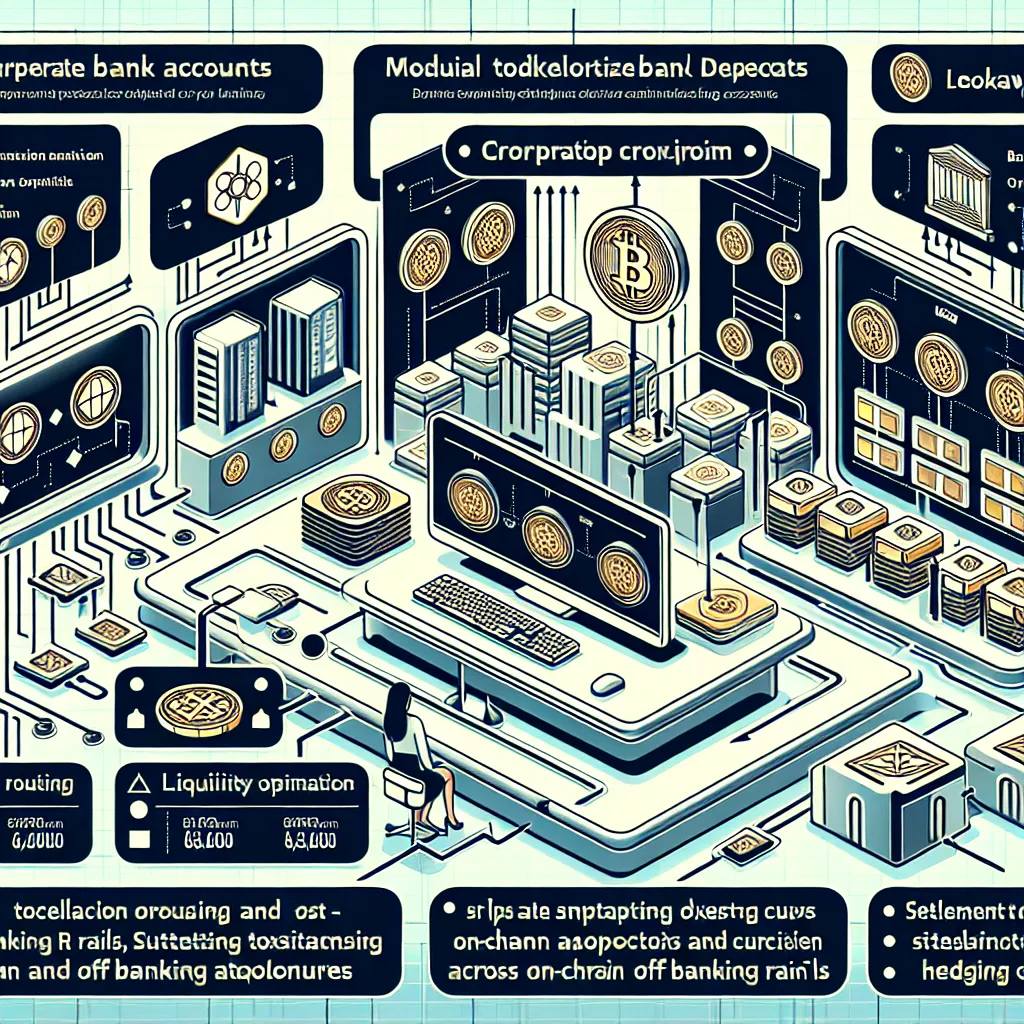
A modular “wallet orchestration layer” that sits on top of multiple corporate bank accounts (tokenized deposits) and on-chain stablecoin wallets. It provides a unified dashboard, routing, liquidity optimization, hedging, and settlement across on-chain and off-chain rails. Corporates often have dozens of banking relationships and legacy constraints; this startup simplifies tokenization adoption without forcing them to rip out existing banks.
Description
A modular “wallet orchestration layer” that sits on top of multiple corporate bank accounts (tokenized deposits) and on-chain stablecoin wallets. It provides a unified dashboard, routing, liquidity optimization, hedging, and settlement across on-chain and off-chain rails. Corporates often have dozens of banking relationships and legacy constraints; this startup simplifies tokenization adoption without forcing them to rip out existing banks. (The article notes corporates want stablecoin integration via traditional banks.
The Pitch
Businesses are increasingly seeking innovative solutions to manage their monetary transactions more efficiently. With the rise of blockchain technology and tokenized assets, there is a significant opportunity to streamline and enhance the way corporates handle their finances.
Background
Corporations often face complex financial logistics involving multiple banking relationships across various jurisdictions. These complexities can lead to inefficiencies, increased costs, and reduced agility. As companies are gradually exploring blockchain and digital currencies, they encounter challenges in integrating these new technologies with their existing systems.
Problem
Many corporations maintain dozens of corporate bank accounts and are subject to legacy banking constraints. These companies face hurdles when attempting to incorporate tokenization and digital currencies into their financial operations. The need to juggle multiple on-chain and off-chain transactions results in operational inefficiencies, cumbersome liquidity management, and challenges in optimizing their financial resources.
Solution
To address this issue, we propose the development of a modular wallet orchestration layer that integrates seamlessly with existing corporate bank accounts and on-chain stablecoin wallets. This platform will act as a unifying bridge, offering a comprehensive dashboard that simplifies the management of both on-chain and off-chain financial activities without requiring companies to overhaul their existing banking infrastructure.
Product Details
1. Unified Dashboard: The dashboard provides a centralized view across multiple bank accounts and blockchain wallets, allowing users to monitor and manage their finances efficiently.
2. Routing: The system intelligently routes payments and transactions to optimize for cost, speed, and compliance.
3. Liquidity Optimization: The platform provides tools to balance and manage liquidity across various financial assets, ensuring optimal asset allocation and reduced costs.
4. Hedging and Settlement: It offers integrated solutions for hedging risks and settling transactions across diverse financial rails.
5. Modular Integration: The solution is designed to be modular and easily adaptable, allowing corporations to integrate it into their existing systems without significant disruptions.
Tools for Launching MVP
1. Blockchain Platforms: Utilize existing blockchain platforms like Ethereum or Solana for stablecoin integration.
2. Banking APIs: Leverage APIs from corporate banks to connect existing accounts seamlessly.
3. Development Frameworks: Use popular frameworks such as React for the frontend and Node.js for the backend to accelerate development.
4. Cloud Services: Employ cloud services like AWS or Azure for robust, scalable, and secure infrastructure.
GTM Strategy
1. Target Market: Focus on large enterprises with complex financial structures in verticals such as multinational corporations, import-export businesses, and tech companies adopting blockchain technology.
2. Partnerships: Collaborate with banks and financial institutions to bridge traditional banking with blockchain technology.
3. Thought Leadership: Publish whitepapers and host webinars to showcase the benefits of financial orchestration and tokenization for corporates.
4. Strategic Pilots: Initiate pilot programs with select enterprise clients to demonstrate the platform's capabilities and refine the offering.
Business Model
1. Subscription Model: Implement tiered subscription plans based on transaction volume and features.
2. Transaction Fees: Charge a small fee for each on-chain and off-chain transaction processed through the platform.
3. Implementation and Consultancy Services: Offer services to assist companies in integrating the orchestration layer within their existing financial systems.
Conclusion
By introducing a wallet orchestration layer, corporations can gain unprecedented control and efficiency over their financial transactions, combining the old-world reliability of traditional banking with the innovative potential of blockchain technology. This powerful integration positions businesses for the future of finance, minimizing risk while maximizing financial agility and growth.