Unified Operating System for Creator Enterprises
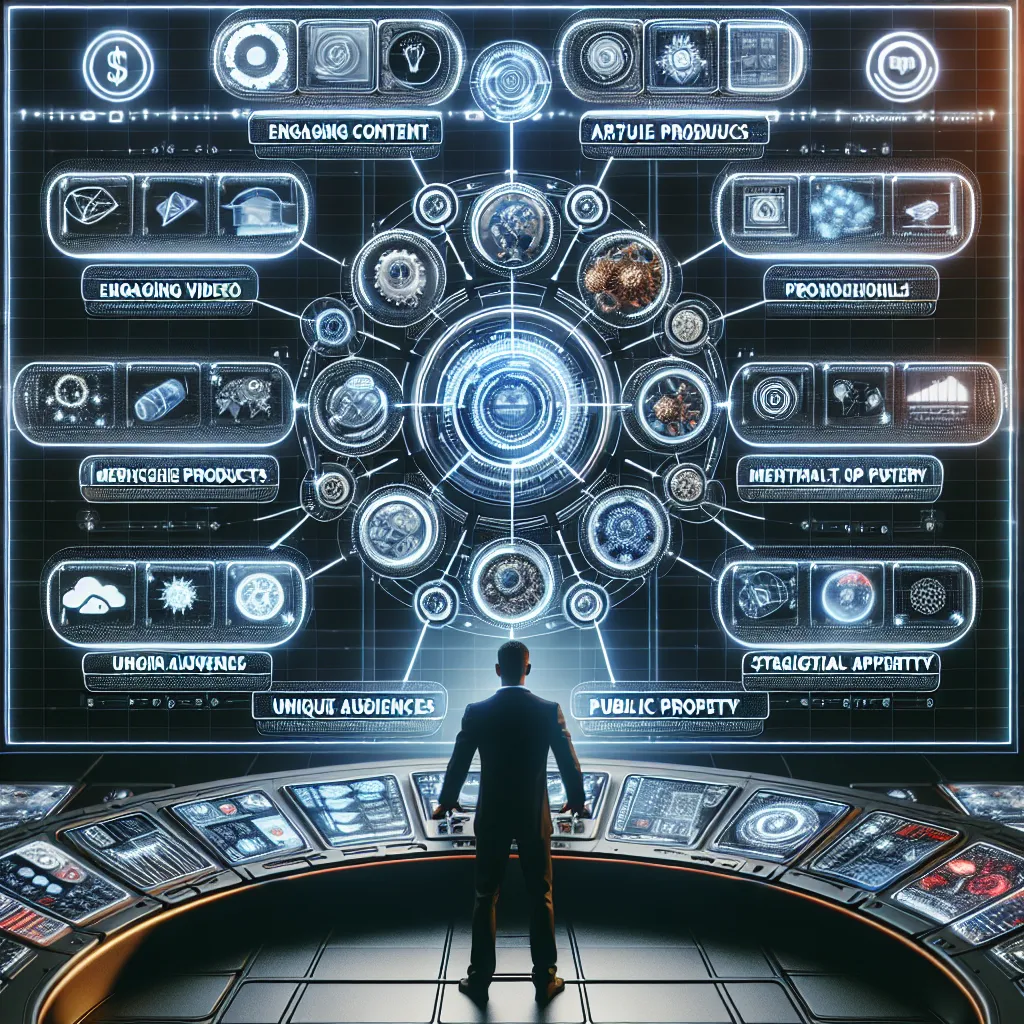
Creators now run multi-revenue businesses, yet they still manage everything with scattered tools built for freelancers. This is a single operating system that connects content, products, partnerships, audience segments, and IP into one strategic view. As creators professionalize into 360 enterprises, they’ll need clarity, not hustle. A creator can trace how one video eventually drove a product launch and a live event.
Description
No additional description provided.
The Pitch
In the evolving landscape of digital content creation, creators are no longer just producing content—they are building multi-revenue businesses that encompass various income streams such as direct product sales, partnerships, live events, and intellectual property. Despite this complexity, many creators still rely on a disparate set of tools and platforms originally designed for freelancers or small teams, leading to inefficiencies and a fragmented understanding of their business ecosystem. This proposal outlines a concept for a single operating system designed specifically for creators, enabling them to manage and connect all aspects of their businesses in one cohesive platform.
Backstory
As digital platforms have democratized the ability to publish content and reach global audiences, creators have evolved from being hobbyists to becoming full-fledged entrepreneurs. This transition has introduced new challenges. Instead of merely focusing on content production, creators now need to manage a wide array of tasks including product launches, partnership negotiations, audience engagement, and intellectual property management. The current market offers plenty of tools for specific tasks, but few, if any, provide a comprehensive solution that ties everything together seamlessly.
Problem
The primary issue facing creators today is the lack of a unified system that provides an overarching view of their diverse business activities. Tools are scattered and often do not integrate well with each other. As a result, creators struggle with:
1. Time inefficiency due to task-switching between multiple platforms. 2. Ineffective decision-making due to fragmented data interpretation. 3. Difficulty in understanding the correlation between content, audience engagement, and revenue generation. 4. Increased overhead in managing and updating multiple systems.
Solution
The solution proposed here is a comprehensive operating system designed explicitly for creators. This platform will combine content management, product sales, partnership tracking, audience segmentation, and intellectual property management into one strategic, easy-to-use interface. The goal is to provide creators with clarity, enabling them to trace the impact of their content across various business elements without the need for constant hustling through disconnected tools.
Product Details
The Creator Operating System will include the following features:
- Content Management: An intuitive interface for creating, scheduling, and analyzing content performance. - Product Integration: Tools to facilitate the launch and management of digital and physical products. - Partnership Tracker: A module for overseeing collaborations, sponsorship deals, and partnerships. - Audience Analytics: Advanced segmentation and analysis tools to understand audience demographics and behavior. - IP Management: Simple ways to register and manage intellectual property rights. - Strategic Dashboard: A unified view that connects all elements, offering insights into how content drives business growth.
Tools for Easy MVP Launch
To launch this as a Minimum Viable Product, the following tools and technologies can be utilized:
- No-code platforms such as Bubble or Glide for rapid prototyping. - Analytics tools like Google Analytics and Mixpanel for audience insights. - E-commerce integrations using Shopify or WooCommerce APIs. - Content management through existing solutions such as WordPress API for easy data migration. - Collaboration with payment platforms like Stripe or PayPal for seamless financial transactions.
Go-to-Market Strategy
The Go-To-Market (GTM) strategy will focus on:
1. Early Adopter Engagement: Target the top tier of influencers and creators to build credibility and initial buy-in. 2. Partnership with Creator Communities: Collaborate with creator networks and digital agencies to expand reach. 3. Content Marketing: Publish success stories, testimonials, and educational content to illustrate value. 4. Influencer Ambassadors: Leverage well-known creators to showcase the benefits of an all-in-one operating system through case studies. 5. Free Tier Access: Provide a free tier with limited features to attract users, supported by premium subscriptions for advanced functionalities.
Business Model
The business model will be based on a subscription service, with tiered plans offering varying levels of access to advanced features and integrations. Additionally, commission-based models for product sales and partnerships could be integrated to align the platform's success with that of its users.
Conclusion
Creators are shaping the future of digital content and media, yet their growth potential is often hindered by outdated, scattered management tools. Introducing a unified operating system will not only streamline their operational efficiency but also foster more informed strategic decisions, ultimately leading them to professionalize and expand their 360-degree enterprises with clarity and creativity.