Unified LinkedIn Influencer Campaign Management Tool
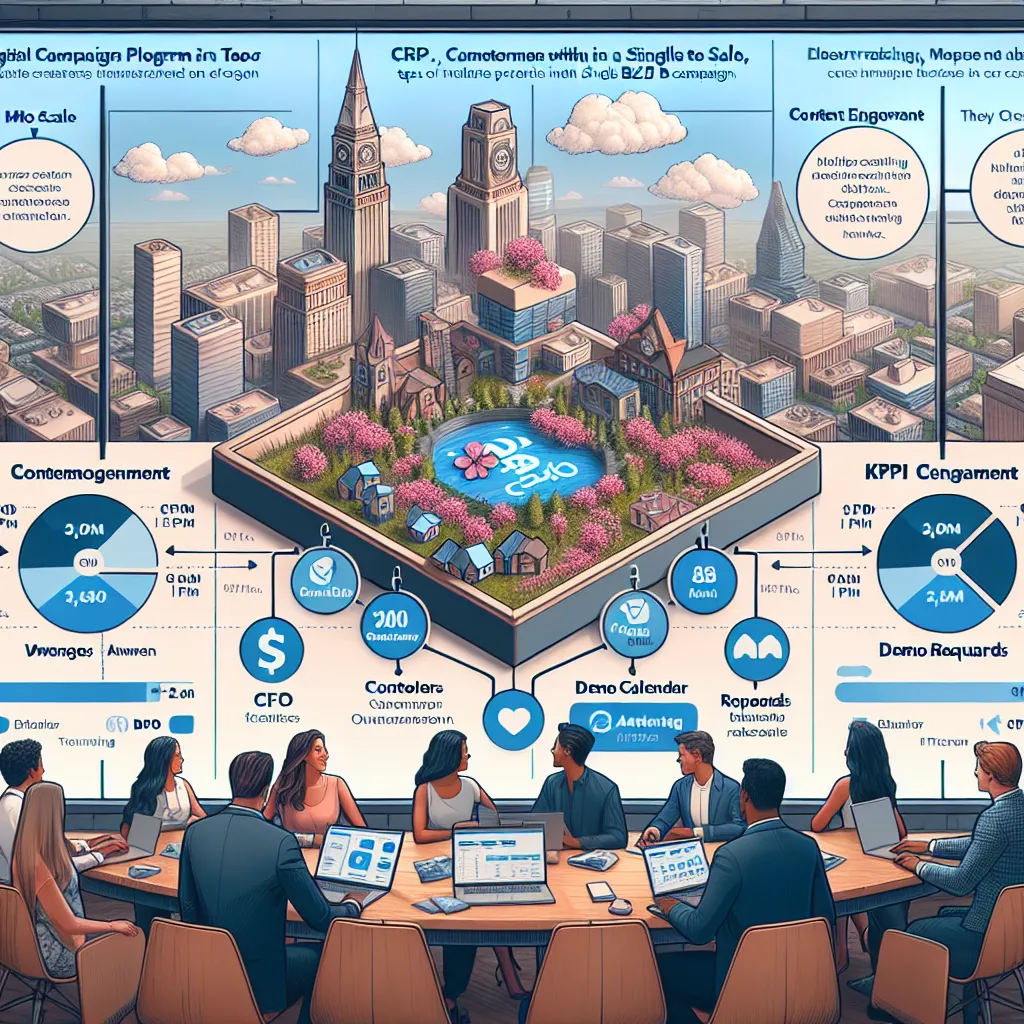
Running influencer campaigns on LinkedIn is chaotic—there’s no unified tool to manage micro (1K–10K) to macro (100K+) creators in a single B2B campaign. The solution is a campaign planner that helps brands source, brief, track, and evaluate multi-tier influencer programs on LinkedIn. It would include CRM syncing, content calendar orchestration, and reporting dashboards focused on pipeline KPIs. “LinkedIn has seen 36% YoY growth in content engagement,” according to the article—coordinating influencers at scale is now a bigger need than ever. For example, a B2B fintech startup could engage 20 niche creators across roles like CFOs, controllers, and FP&A leaders, while tracking how each cohort drives demo requests and awareness.
Description
No additional description provided.
The Pitch
In today's digital landscape, influencer marketing has become an integral part of brand strategies across various social media platforms. However, when it comes to LinkedIn, a platform primarily focused on professional networking, running effective influencer campaigns presents unique challenges. Currently, there is no cohesive tool that allows brands to seamlessly manage micro (1K–10K followers) to macro (100K+ followers) influencers in a unified B2B campaign on LinkedIn.
The core issue is the lack of a centralized platform to manage these campaigns efficiently. Brands are often faced with the daunting task of coordinating and working with multiple creators of varying reach and influence without a streamlined process in place. This leads to fragmented communication, poor tracking of performance metrics, and difficulty in measuring campaign impact on business objectives.
Enter the solution: a specialized campaign planner designed exclusively for LinkedIn influencer marketing. This tool aims to empower brands by providing them with the means to source, brief, track, and evaluate multi-tier influencer programs effectively. Key features of this tool would include CRM integration to manage influencer relationships, a content calendar to orchestrate content distribution, and reporting dashboards that focus on pipeline KPIs to measure success accurately.
The benefits extend beyond mere organization and efficiency. With LinkedIn reporting a 36 percent year-over-year growth in content engagement, the demand to coordinate influencers at scale has grown significantly. The campaign planner would thus fulfill a crucial need, allowing brands to devise strategies that resonate with their professional audience and drive conversion.
For instance, consider a B2B fintech startup interested in increasing its brand exposure among financial decision-makers. By leveraging the campaign planner, the startup could engage 20 niche influencers, including CFOs, controllers, and FP&A leaders. As these influencers share content with their networks, the planner would track key metrics such as demo requests and brand awareness across different cohorts, providing the company with actionable insights.
Building such a campaign planner as a Minimum Viable Product (MVP) requires some foundational tools and strategies. These might include utilizing platforms like Airtable or Monday.com for project management, integrating LinkedIn's API for real-time data, and employing analytics solutions like Google Analytics or Mixpanel for tracking engagement. The MVP should focus on the core functionalities—CRM syncing, content calendar management, and basic reporting—to garner feedback and iterate on user needs.
The go-to-market (GTM) strategy would involve targeting marketing departments within B2B companies, as well as influencer agencies that specialize in LinkedIn campaigns. A combination of direct outreach, webinars, and partnerships with LinkedIn marketing groups could effectively position the product in front of potential users. Furthermore, offering a freemium model could entice these businesses to trial the product, allowing them to evaluate its utility before committing financially.
As for the business model, subscription-based pricing tiers would accommodate businesses of varying sizes, from small startups needing basic functionalities to large enterprises requiring comprehensive campaign management tools. Additional services such as advanced analytics and consulting could be offered as premium add-ons, providing brands with deeper insights and strategic guidance.
In conclusion, the creation of a LinkedIn-focused influencer campaign planner addresses a growing market need for streamlined, data-driven campaign management in the B2B space. By leveraging current technologies and implementing a targeted GTM strategy, this tool could redefine how brands engage with professional influencers on LinkedIn, driving measurable business outcomes in the process.