Unified Identity Verification Through Phone Networks
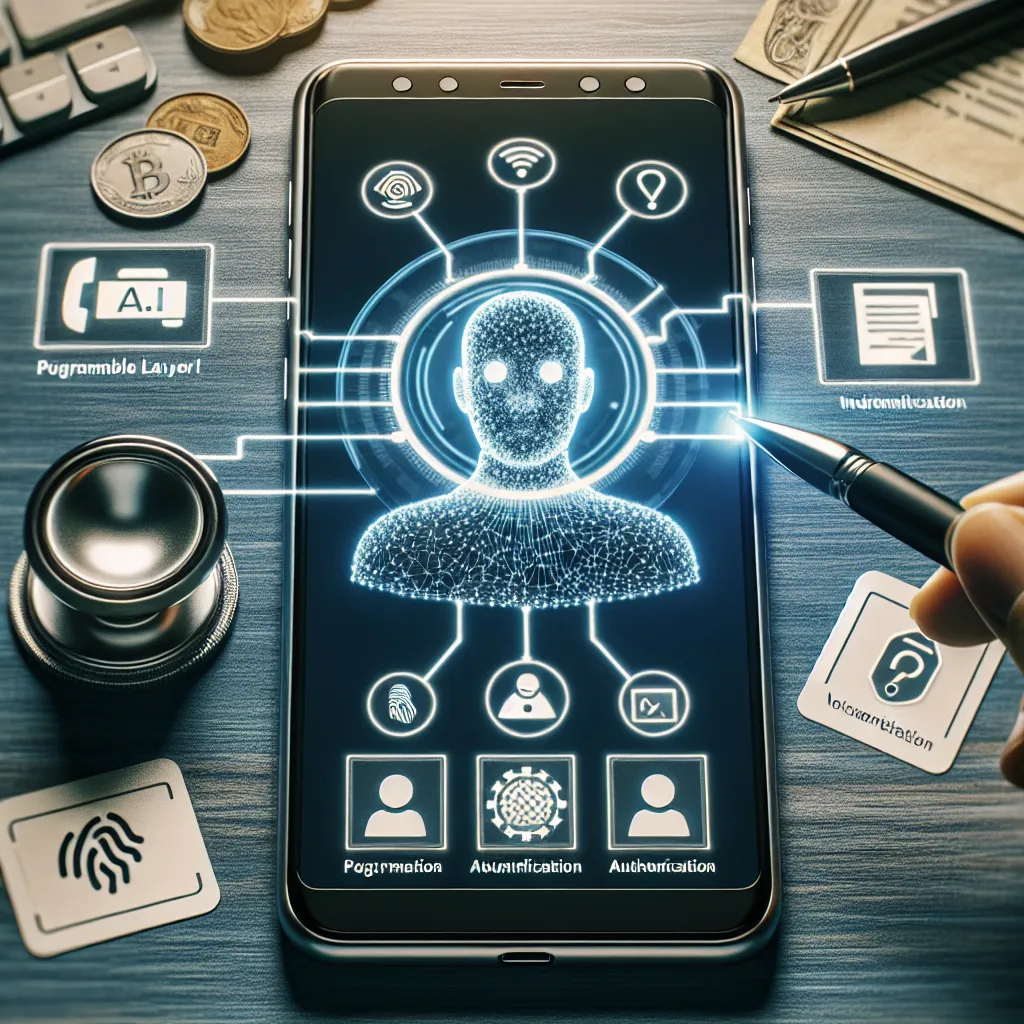
Most identity systems today are siloed: OAuth for apps, KYC for banks, SIM cards for telcos. But every serious institution — from your doctor’s office to your government benefits hotline — already uses the phone call as the last-mile identity check. “Can you call us and verify X?” is the de facto fallback when APIs don’t connect. The problem: there’s no unified way to prove identity or portability across these phone-based systems. The solution is to turn the telephone network into a programmable identity layer: an AI agent that calls on your behalf, passes verification questions, and then generates a tokenized proof you can reuse elsewhere. Why now? Voice AI can impersonate you with consent, biometrics can bind calls to a verified human, and regulators are desperate for better digital identity systems. Imagine a world where instead of faxing forms or re-verifying on every hotline, you just grant a “phone identity key” — and suddenly every bank, insurer, and government line is interoperable.
Description
No additional description provided.
The Pitch
Today's identity systems are fragmented and compartmentalized, with diverse protocols like OAuth for applications, Know Your Customer (KYC) procedures for financial institutions, and SIM cards for telecommunication providers. Despite these varied systems, phone calls remain the universal fallback method for identity verification when automated processes fail. The challenge lies in the lack of a unified method to authenticate identity across different organizations using this phone-based approach.
Backstory
In the current digital landscape, the lack of interoperability between identity verification systems poses significant challenges. Individuals are often required to repeatedly verify their identity across different platforms, resulting in customer frustration, inefficiency, and security vulnerabilities. The phone call remains a common denominator in these processes, yet its full potential as a streamlined verification tool remains untapped.
Problem
The core issue is the absence of a cohesive system that allows for seamless identity verification using phone calls across various industries. Users are burdened with redundant verification processes, while organizations face increased operational costs and security risks due to fragmented systems.
Solution
By transforming the telephone network into a programmable identity layer, we can revolutionize how identity verification is conducted. This involves developing an AI-powered agent capable of making calls on behalf of the user, answering verification questions using advanced voice AI technology, and generating a tokenized proof of verified identity. This proof can be reused across multiple platforms, drastically simplifying the identity verification process.
Product Details
The proposed solution will leverage cutting-edge technologies in voice AI and biometrics to offer a streamlined verification process. Key features include:
1. An AI agent that operates with user consent to impersonate the user during verification calls. 2. Biometric technology to ensure that calls are bound to a verified human. 3. A system for generating tokenized proofs of verification that can be easily integrated and accepted across various services and industries.
Tools for Launching as an MVP
1. Voice AI Platforms: Tools like Google Dialogflow or Amazon Lex to build conversational agents. 2. Biometrics API: Integration with services such as AWS Rekognition for facial and voice biometrics. 3. Blockchain Technology: Utilizing platforms like Ethereum for creating immutable, tokenized proofs of identity. 4. API Development: Using frameworks like Node.js or Flask to build secure and scalable APIs for integration with various services.
Go-to-Market Strategy
1. Early Adopters: Target banks, insurance companies, and government agencies where identity verification is crucial. 2. Partnerships: Collaborate with telecommunication providers to facilitate integrations and establish credibility. 3. Pilot Programs: Launch pilot projects to showcase the effectiveness and reliability of the system. 4. Marketing Campaigns: Leverage digital marketing to reach potential users and stakeholders with messages highlighting the security and convenience the product offers.
Business Model
1. Subscription-Based Pricing: Offering tiered subscriptions to access different level of services and features. 2. Transaction Fees: Implement a fee for each verification process completed using the platform. 3. Enterprise Solutions: Provide customized solutions for large-scale organizations, bundled with additional features and support. 4. API Monetization: Charge third-party applications and services for API access to the identity verification layer.
Conclusion
By leveraging the universal reliance on phone calls for identity checks, this innovative solution can seamlessly unify and enhance identity verification processes across multiple industries. Adopting this system will not only enhance security and efficiency but also significantly improve user experience by reducing redundancy and the need for repeated verification.