Unified Hybrid Gym Combining Diverse Fitness Cultures
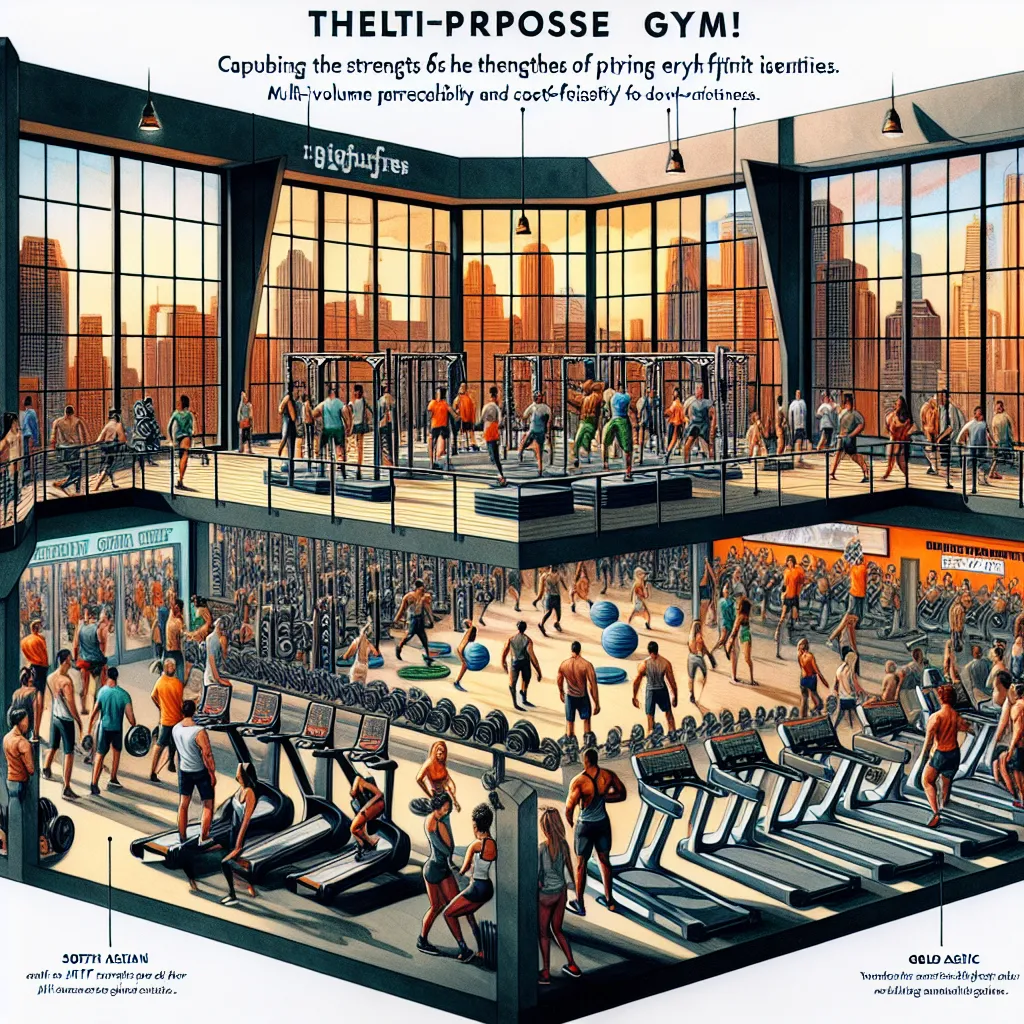
Most gyms optimize for a single persona—low-cost users (Planet Fitness), group class enthusiasts (OrangeTheory), or serious lifters (Gold’s Gym). This idea suggests combining the strengths of all three into a hybrid gym model that offers zones for each use case. “Planet Fitness is great for volume, Orange Theory nails community, and Gold’s has that weightlifter credibility. What if you could combine the best of all three?” A single location might feature a high-volume cardio area, a schedule of group HIIT classes, and a hardcore free-weight zone—attracting a broad demographic and reducing churn. For example, a flagship location in Denver builds all three areas under one roof, draws from multiple fitness subcultures, and doubles industry-average retention rates.
Description
No additional description provided.
The Pitch
The fitness industry has traditionally segmented its market into distinct categories, targeting specific niches that cater to different user personas. You have the budget-conscious segment exemplified by gyms like Planet Fitness, community-driven group participants attracted to OrangeTheory, and the hardcore lifters who frequent establishments such as Gold’s Gym. Each model has crafted a loyal customer base by optimizing for a particular type of gym-goer, yet this segmentation leaves gaps for those who desire a more versatile fitness experience.
**The Problem**
The primary issue with these segmented models is that fitness enthusiasts who want multiple experiences must juggle multiple memberships, leading to higher costs and potential dissatisfaction. Additionally, each of these models experiences their own form of member churn as participants outgrow the singular offerings. Gyms that cater primarily to low-cost users often struggle with overcrowding and lack community. Conversely, those that focus heavily on classes may not satisfy the needs of serious lifters, and gyms ideal for lifters might not engage those seeking group community interaction.
**The Solution**
A hybrid gym model presents a unified solution by integrating the strengths of different fitness approaches into a single location. By incorporating zones that cater to high-volume cardio enthusiasts, group class lovers, and serious weightlifters, the hybrid gym can attract a broader demographic. This model maximizes engagement for all types of fitness seekers and mitigates the risk of churn by enhancing retention through diversified offerings.
**Product Details**
The hybrid gym concept would feature:
1. A dedicated cardio space with ample equipment for high usage, drawing on the efficiency and accessibility strengths of budget gyms.
2. A well-scheduled roster of group classes ranging from high-intensity interval training (HIIT) to yoga, fostering a sense of community akin to OrangeTheory.
3. A fully equipped free-weight zone that caters to advanced fitness enthusiasts, providing the environment and tools necessary for serious strength training.
Each section would be designed to transcend traditional gym layouts by including technology integration such as smart reservations, virtual class options, and performance tracking. The establishment might also offer flexible membership models tailored to user preferences, such as single-zone access or all-inclusive packages, to attract a wider audience.
**Tools for MVP Launch**
Launching this concept as a Minimum Viable Product would require a streamlined approach. Here are tools and steps to consider:
- **Market Research**: Utilize tools like SurveyMonkey to gather data from potential customers and assess interest and needs.
- **Location and Design**: Use space planning software such as SmartDraw to design a facility layout that seamlessly integrates each zone.
- **Technology Integration**: Implement desktop and mobile fitness management software like Mindbody to handle bookings and member management efficiently.
- **Operational Setup**: Employ POS systems and CRM software such as Gymdesk to manage day-to-day transactions and customer relationships.
**Go-to-Market Strategy**
The initial launch should focus on creating an anchor location to test the concept in a fitness-centric city like Denver. Strategies include:
- **Community Engagement**: Host free fitness events and classes to introduce the community to the hybrid model and gather feedback.
- **Digital Marketing**: Utilize social media platforms and local influencers to build awareness and engagement prior to launch.
- **Partnerships**: Collaborate with local health and wellness brands for cross-promotion opportunities.
- **Membership Incentives**: Offer pre-sale discounted memberships or exclusive founding member benefits to drive early adoption.
**Business Model**
The business model for the hybrid gym involves diversifying revenue streams beyond traditional memberships:
- **Membership Tiers**: Provide varied pricing based on access levels – single-zone, dual-zone, or full access.
- **Class Packages**: Offer pay-as-you-go class bundles, appealing to those with irregular schedules.
- **Personal Training**: Introduce personalized coaching services catering to each fitness zone.
- **Merchandise and Nutrition Sales**: Offer complementary products like branded gym wear and health supplements.
By addressing the multifaceted needs of modern fitness enthusiasts, the hybrid gym model positions itself to not only attract a varied clientele but also to foster a loyal, long-term member base.