Unified Health Data Extraction Service
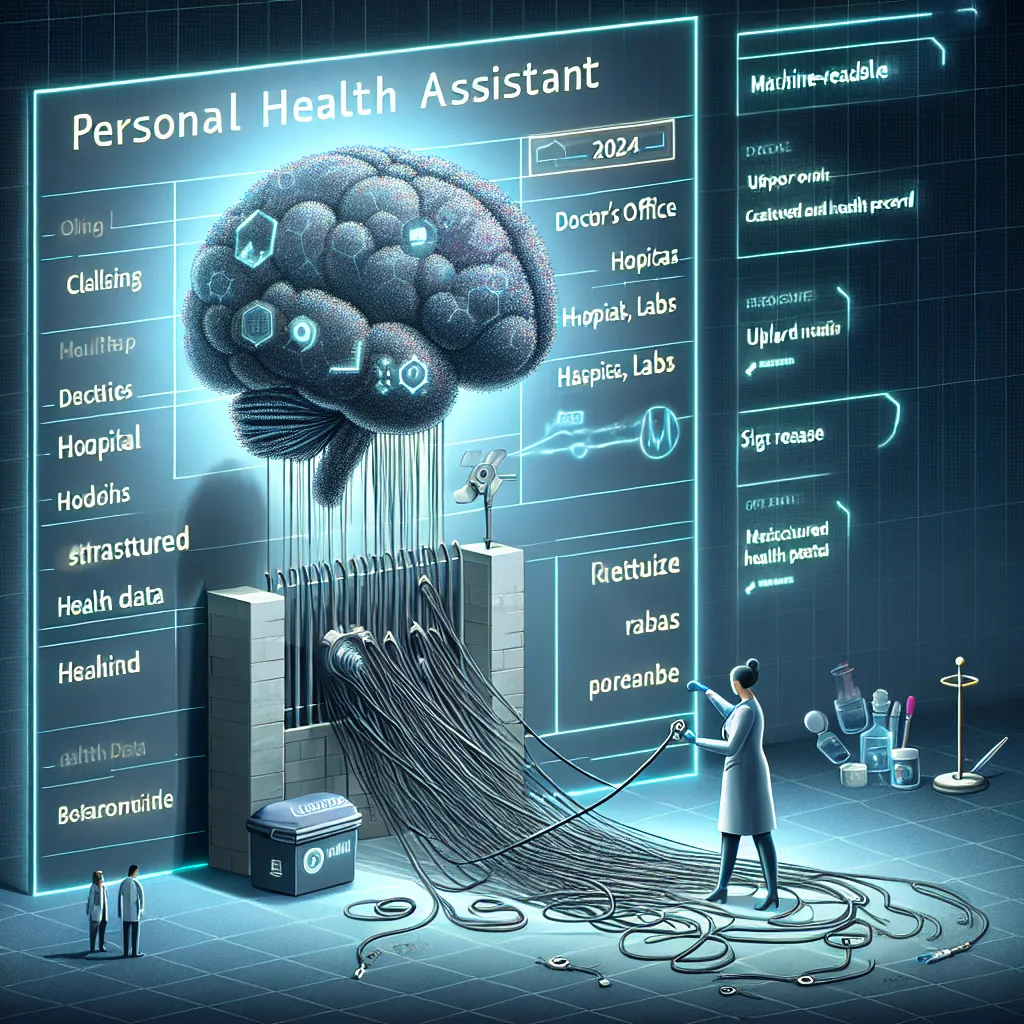
A personal health agent is only as smart as the data it sees, but the average adult has records scattered across three to seven different doctors, hospitals, and labs. Even with the patient's full consent, pulling them out as clean structured data still takes weeks of manual work and faxes. A service that handles all the API calls, identity verification, and follow-up phone calls to extract a patient's full longitudinal record from every system they've touched, then delivers it as machine-readable structured data instead of a viewer or PDF stack, would become the upstream data layer for every consumer health AI built in the next decade. ONC's information blocking rules went into full enforcement in 2024 and the first penalties against health systems landed in 2025, which means hospitals can no longer legally stonewall a patient request the way they used to. The first version could be a $99 one-time service where someone uploads ID, signs HIPAA releases, and gets back structured JSON of every diagnosis, lab, prescription, and imaging study on file.
Description
No additional description provided.
The Pitch
In today's interconnected world, the efficiency and accuracy of healthcare are often hindered by fragmented health records. Many adults manage their medical data spread across a multitude of doctors, hospitals, and labs. Even with explicit consent from the patient, consolidating these records into structured data remains a labor-intensive process, often fraught with outdated methods like faxes and manual entry. This challenge presents an opportunity to innovate and streamline the process of accessing and organizing personal health information.
Backstory:
Traditionally, the healthcare industry has been resistant to seamless data sharing due to a combination of privacy concerns, technological limitations, and institutional inertia. However, regulatory changes have begun shifting the landscape. The enforcement of the Office of the National Coordinator for Health Information Technology's (ONC) information blocking rules in 2024 marked a pivotal moment. By 2025, repercussions for non-compliance started impacting health systems, signaling a new era where patients gained stronger rights to access their data without obstruction.
Problem:
Despite these regulatory advancements, individuals face significant obstacles in compiling their comprehensive health records. The current process is cumbersome, involving multiple release forms, lengthy wait times, and inconsistent data formats. This fragmented approach not only delays timely decision-making but also hinders the development and deployment of consumer health AI applications that rely on readily accessible and structured data.
Solution:
The solution is a unified service that automates the extraction, consolidation, and delivery of a patient's full longitudinal health record. By managing all API calls, identity verification, and necessary communications with healthcare entities, this service transforms disparate data sources into machine-readable structured data. The result is an organized, comprehensive dataset encompassing diagnoses, labs, prescriptions, and imaging studies, all delivered in a user-friendly format such as JSON.
Product Details:
The initial offering could be a straightforward, affordable service priced at $99. Users would simply upload their identification, authorize data access through HIPAA-compliant releases, and receive their structured health data in response. The focus would be on efficiency, privacy, and ease of use, providing a critical data layer that empowers both individuals and health-focused AI solutions.
Tools for Launching as an MVP:
1. Data Aggregation: Utilize healthcare interoperability standards like FHIR (Fast Healthcare Interoperability Resources) to connect with disparate health systems. 2. Identity Verification: Implement secure authentication mechanisms through third-party services like OAuth or biometric verification. 3. Data Processing: Leverage cloud-based solutions for data parsing, such as AWS Lambda, for scalability and flexibility. 4. Encryption and Security: Employ advanced encryption methods to safeguard sensitive medical information. 5. User Interface: Develop a straightforward web platform using frameworks like React.js for ease of interaction.
Go-To-Market Strategy:
1. Partnerships: Collaborate with healthcare providers, clinics, and insurance companies to promote the service. 2. Awareness Campaigns: Launch educational campaigns targeting consumers to highlight the benefits of having consolidated health data. 3. Influencers and Advocates: Engage health tech influencers to endorse the service. 4. Pilot Programs: Initiate pilot programs within specific healthcare networks to demonstrate value.
Business Model:
The primary revenue stream would be the one-time $99 service fee, with potential expansion into subscription models for regular data updates or supplementary services such as analytics and tailored health insights. Partnerships with insurance companies and health systems could further diversify revenue streams, offering data management solutions for large entities.
By pioneering a seamless and efficient way to access and organize personal health data, this service could significantly influence consumer health engagement and serve as a crucial enabler for the next generation of health AI applications.