Unified Enterprise Brain: Organizing Scattered Knowledge Effectively
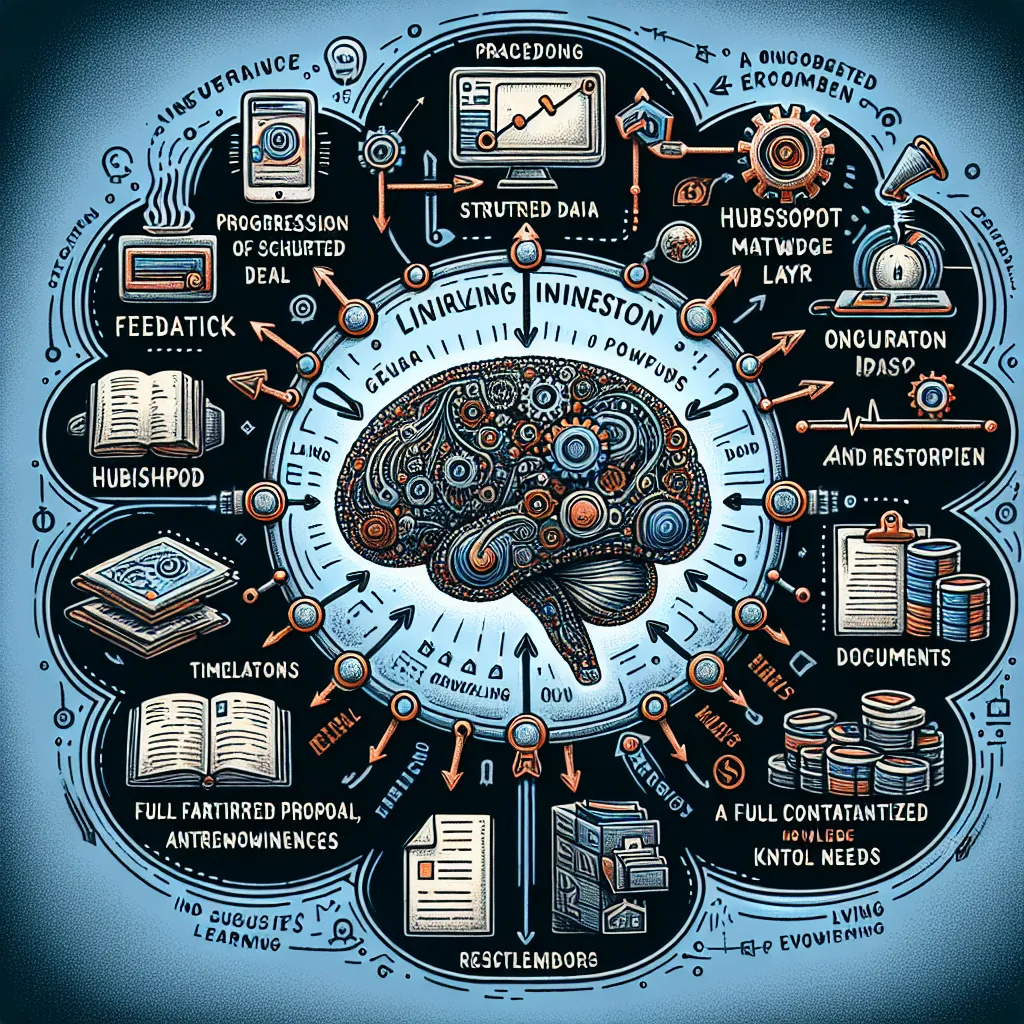
AI works incredibly well for engineers because everything they need lives in one place — clean, structured, and testable — but for everyone else, work is scattered across tools like Notion, HubSpot, meeting transcripts, decks, and random documents, making knowledge fragmented, unstructured, and often subjective, which prevents AI from truly understanding context or producing high-quality outputs. The opportunity is to build an enterprise “brain” — a system that ingests data across all these sources, continuously updates it, and organizes it into a structured, living knowledge layer (like a GitHub repo for work) that connects everything from sales calls to proposals to execution data. Unlike static tools, this system would learn over time, improving based on feedback, cleaning and compressing information, and becoming the central source of truth for both humans and AI. The timing is right because AI has already solved execution, but context is now the bottleneck, and as companies rush to become “AI-ready,” the real unlock is not better models but better organization of knowledge. In practice, this means a sales team could instantly generate a proposal grounded in real past deals, timelines, and customer needs — not guessing, but operating with a fully contextualized system that turns scattered information into leverage.
Description
No additional description provided.
The Pitch
In today’s fast-paced business environment, engineers have traditionally led the charge in leveraging AI to streamline workflows and decision-making processes. Their advantage lies in the structured and testable environments they operate within. However, for many other professions, the landscape is vastly different. Work is distributed across a multitude of platforms like Notion, HubSpot, meeting notes, presentation decks, and various other documents. This scattering of information leads to fragmentation, making it difficult for AI systems to contextualize and deliver accurate, high-quality outputs. This gap presents a unique opportunity to revolutionize the way knowledge is organized and utilized across enterprises.
**Identifying the Problem**
The core issue is that non-engineering work environments lack a centralized, structured repository of information. The unstructured nature of data scattered across tools leads to inefficiencies and limits the potential of AI to understand and apply context effectively. This fragmentation acts as a bottleneck, preventing organizations from fully realizing the potential of AI-driven solutions.
**The Solution**
The proposed solution is to develop an enterprise “brain” that seamlessly integrates with existing tools and data sources. This system would ingrain itself within the organization, continuously ingest and update data from across platforms, and organize it into a living knowledge layer. This layer acts like a GitHub repository for all forms of work, providing a dynamic, evolving source of truth that AI can draw upon to deliver contextualized, insightful outputs.
**Product Details**
The enterprise brain would consist of several key components:
1. **Data Ingestion Engine**: Capable of linking with tools like Notion, HubSpot, and others to gather data from various endpoints. 2. **Knowledge Structuring System**: This component structures the ingested data into a coherent, organized format, much like how GitHub manages code. 3. **Feedback Loop**: Allows for the integration of user feedback to continuously refine data accuracy and relevance. 4. **AI Learning Module**: Employs machine learning to adapt and improve understanding over time, enhancing AI’s contextual capabilities. 5. **User Interface**: A user-friendly platform where employees interact with the knowledge layer, leveraging it for tasks like generating proposals, reports, and more.
**Tools to Launch as an MVP**
- **Integrations**: APIs to connect with tools like Notion, HubSpot, Slack, etc. - **Frameworks**: Use of platforms like TensorFlow or PyTorch for building the AI learning module. - **Databases**: Graph databases such as Neo4j to manage and visualize complex relationships between pieces of information. - **Frontend Development**: React.js or Angular for building the user interface.
**Go-To-Market Strategy**
1. **Target Early Adopters**: Focus initially on industries with complex data environments like consulting, legal, and finance. 2. **Partnerships**: Collaborate with software providers like Slack or Notion to offer integrated solutions. 3. **Pilot Programs**: Roll out pilot programs within select companies to gather feedback and iterate on the product. 4. **Thought Leadership**: Publish case studies and white papers to showcase success stories and position the solution as a leader in enterprise knowledge management.
**Business Model**
The business model could be subscription-based, offering tiers based on organizational size and data integration needs. Additional revenue streams could include premium features such as advanced analytics, enhanced security, and personalized AI training modules.
By addressing the fundamental issue of knowledge fragmentation, this enterprise brain can transform scattered information into a valuable asset, empowering both humans and AI to achieve unparalleled efficiency and insight in the workplace.