Unified Directory for Short-Term Kitchen Rentals
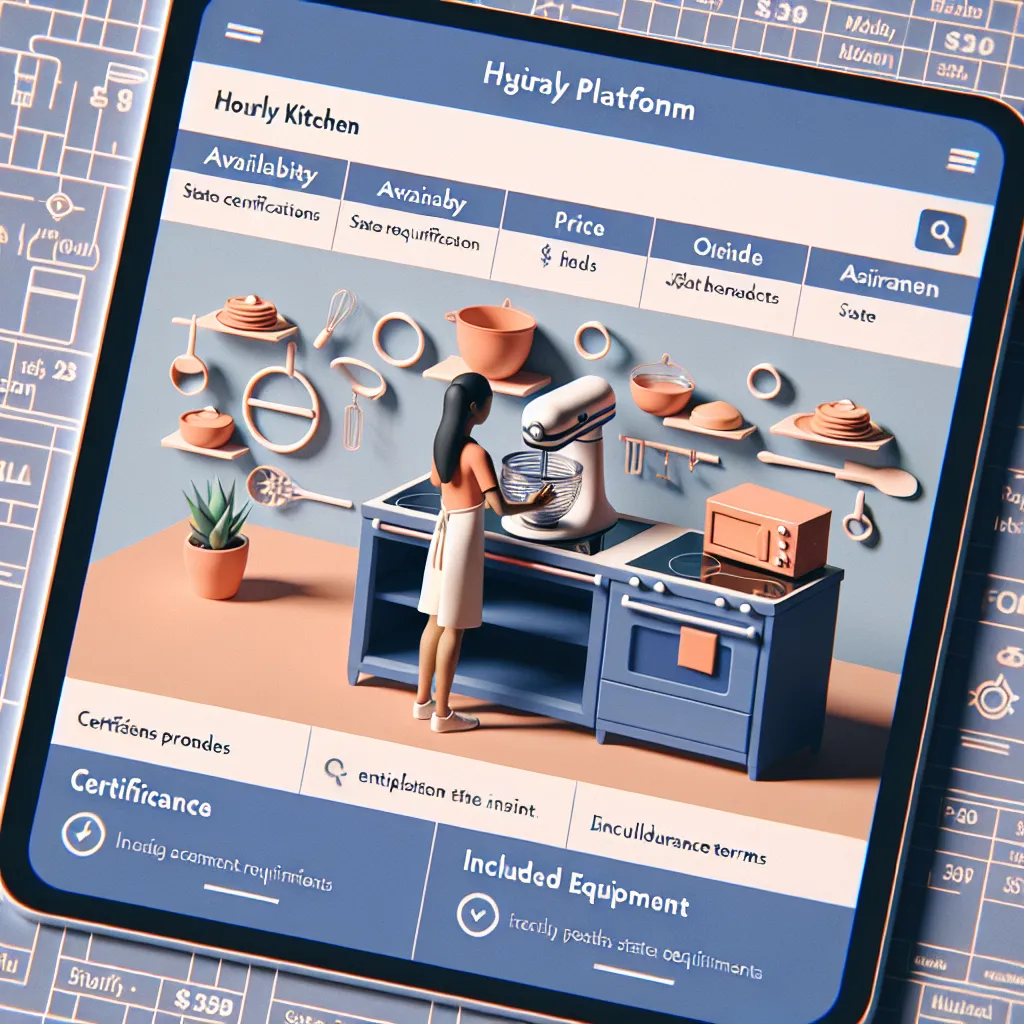
Thousands of food entrepreneurs—ghost kitchens, meal preppers, and home bakers—need certified kitchens to comply with health codes, yet listings are buried across Facebook groups, Craigslist, and outdated forums. There’s no clean, searchable directory for short-term kitchen rentals. A new platform could organize these spaces by availability, price, certification type, and included equipment. “my favorite example… used commercial kitchen rental spaces.” A baker in rural Georgia could find an hourly kitchen that meets state health requirements, complete with a mixer, oven, and insurance terms—something today’s fragmented ecosystem doesn’t support.
Description
No additional description provided.
The Pitch
In the ever-expanding world of food entrepreneurship, individuals like ghost kitchen operators, meal preppers, and home bakers are constantly seeking certified kitchens to comply with stringent health regulations. However, their search often leads them through disparate sources such as Facebook groups, Craigslist, and outdated online forums. This scattered information makes it challenging to find suitable kitchen spaces efficiently. Entrepreneurs waste valuable time sifting through unorganized listings, hindering their ability to focus on their core business activities.
The problem lies in the lack of a unified, searchable directory for short-term kitchen rentals. Currently, there is no comprehensive platform that allows users to search, compare, and book kitchen spaces based on specific criteria like availability, price, certification type, and included equipment. This gap in the market creates a significant barrier for food entrepreneurs who require certified spaces to operate legally and safely.
A potential solution to this problem is the creation of a centralized online platform dedicated to organizing kitchen rental spaces. This platform would act as a bridge between kitchen owners and food entrepreneurs, bringing order to the fragmented ecosystem. Users could easily search for available kitchens by filtering options such as location, price, certification, and equipment provided. For example, a rural Georgia baker in need of a kitchen with a mixer, oven, and compliant with state health requirements could quickly find a suitable space, complete with insurance terms, without the hassle of piecing together information from various sources.
The product details for this platform would focus on creating a user-friendly interface that allows seamless navigation. The platform's database would include extensive listings of commercial kitchen spaces, each detailed with essential information to aid decision-making. Key features might include real-time availability updates, direct booking options, user reviews, and a resource hub offering guidance on health compliance and insurance necessities. Additionally, an intuitive mobile app could complement the web platform to streamline access for users on-the-go.
To build and launch this as a Minimum Viable Product (MVP), tools like no-code website builders such as Webflow or WordPress can be utilized to create a functional front-end. Backend management can be handled through databases such as Airtable or Firebase. A scheduling system can be incorporated using tools like Calendly or a custom calendar API to facilitate real-time availability checks. Payment gateways such as Stripe or PayPal would enable secure transactions, ensuring both kitchen owners and renters feel confident in their financial interactions.
For the go-to-market (GTM) strategy, targeted online marketing campaigns can be deployed to reach food entrepreneurs and kitchen owners. Social media platforms, food industry forums, and collaborations with culinary schools or local business organizations could serve as effective channels for raising awareness. Hosting webinars or workshops on topics like food safety and business scaling can establish the platform as a thought leader in the space, attracting more users.
The business model could rely on a subscription-based service for kitchen owners, offering them premium listing options for increased visibility. Food entrepreneurs might benefit from a freemium model, where basic use of the platform is free but advanced features, such as detailed analytics or priority booking, are available through a paid tier. Additional revenue streams could include a commission on each booking or partnerships with equipment suppliers and insurance providers.
By addressing a clear need in the market with a well-defined solution, this platform has the potential to become an indispensable tool for food entrepreneurs and commercial kitchen owners alike, facilitating smoother operations and fostering the growth of food-based businesses.