Unified Customer Experience Score for Digital Teams
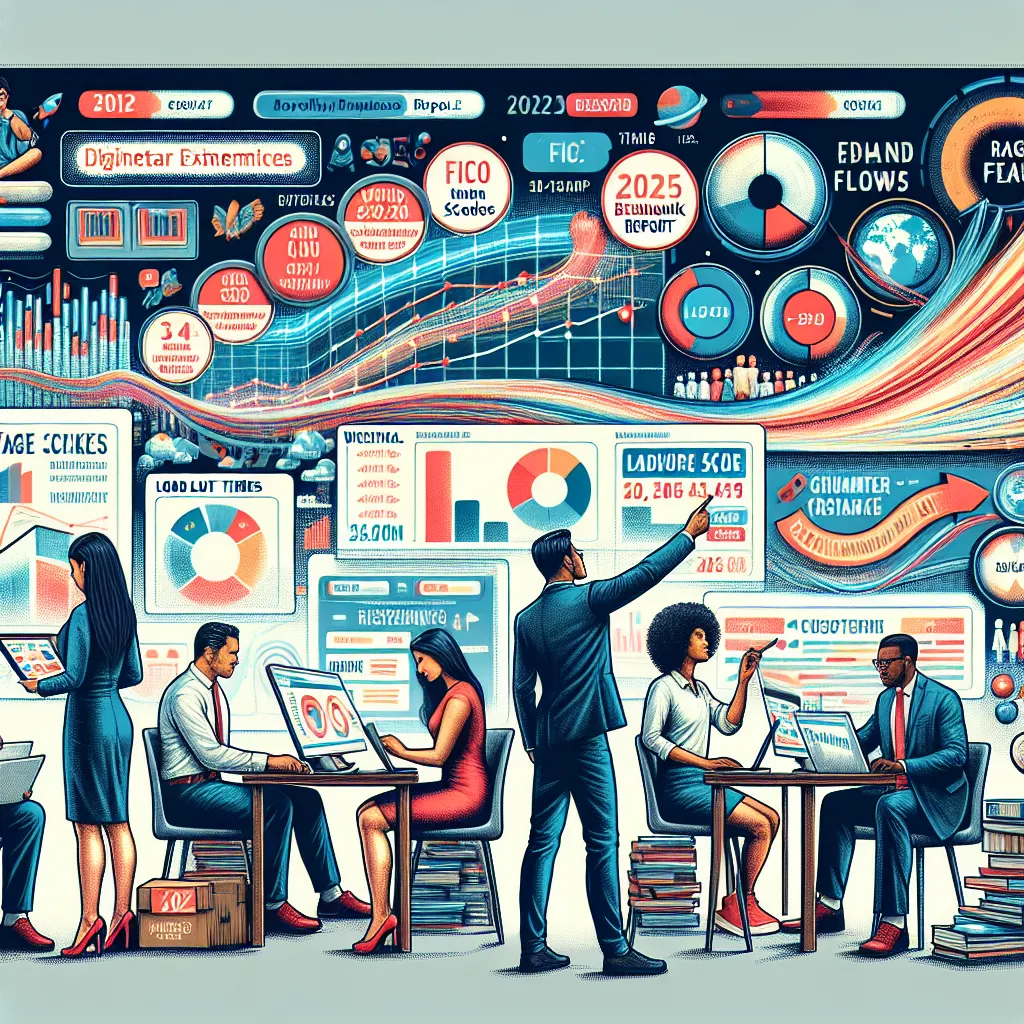
Digital teams are flooded with analytics but lack one simple, unifying metric for customer experience health. Brands that monitor frustration signals—like slow load times, rage clicks, or broken flows—consistently outperform others. The 2025 Benchmark report shows teams who removed more friction had deeper sessions and better retention. Yet most organizations have no way to measure this “digital discipline” consistently. A new approach could package core UX metrics (session depth, frustration rate, conversion lag) into a single, weekly score—like a FICO score for the customer experience. This score would give internal teams and external agencies a simple way to benchmark, track progress, and prioritize improvements. It helps move from reactive optimization to a culture of consistent performance.
Description
No additional description provided.
The Pitch
In today's digital landscape, teams across various sectors are inundated with data from multiple analytics platforms. While this data is crucial, it often lacks a singular, unifying metric to effectively gauge the health of customer experiences. This gap has been felt across industries, leading to a significant disparity in performance between brands that actively monitor user frustrations—such as slow load times, frequent rage clicks, or broken flows—and those that don't. The 2025 Benchmark report underscores this, revealing that organizations committed to eliminating friction enjoy deeper user sessions and improved customer retention. Despite the clear benefits, most companies still struggle to measure their digital discipline effectively and consistently.
This presents a unique opportunity for a new solution: a comprehensive approach that consolidates key user experience (UX) metrics into a single, holistic, weekly score. Conceptually similar to a FICO score but for customer experience, this metric would encapsulate essential elements such as session depth, frustration rate, and conversion lag. By doing so, it offers both internal teams and external agencies a streamlined method to benchmark against industry standards, monitor progress, and prioritize necessary improvements. The transition from reactive optimization to nurturing a culture of continuous performance improvement hinges on tools like this.
**Problem Statement** Despite having access to a plethora of analytics, organizations often miss the big picture when it comes to user experience. They can track numerous metrics but lack the means to synthesize these into actionable insights. This results in missed opportunities for optimization, ultimately affecting customer satisfaction and retention.
**Proposed Solution** The proposed solution is the development of a unified Customer Experience Score (CXS). This score distills complex UX metrics into an accessible, weekly figure, giving teams a straightforward way to understand and enhance digital interactions. By evaluating session depth, frustration indicators, and conversion timing, the CXS acts as a performance barometer, allowing companies to assess and refine their digital strategies swiftly.
**Product Details** The CXS platform will include the following features: 1. Automated Data Collection: Integrate with existing analytics tools to gather relevant UX data seamlessly. 2. Real-Time Scoring: Calculate and update the CXS on a weekly basis, enabling timely insights. 3. Comprehensive Dashboard: Provide a user-friendly interface for teams to track their scores and identify areas for improvement. 4. Customizable Alerts: Notify teams when scores fall below industry benchmarks or when specific friction points require urgent attention. 5. Benchmarking Tools: Allow companies to compare their scores against industry standards and competitors.
**Tools for Launching the MVP** 1. Data Analytics Tool: Use platforms like Google Analytics or Mixpanel to derive initial insights. 2. Cloud Infrastructure: Leverage AWS or Google Cloud for scalable hosting solutions. 3. Visualization Libraries: D3.js or Tableau for building intuitive dashboards. 4. Automation Frameworks: Utilize Zapier or similar tools to automate data collection and reporting processes.
**Go-To-Market Strategy** 1. Identify Early Adopters: Target sectors with a high reliance on digital interactions, such as e-commerce and fintech, for initial rollouts. 2. Partner with Influencers: Collaborate with tech bloggers and industry influencers to increase visibility and credibility. 3. Educational Content: Develop webinars and white papers to educate potential customers on the value of the CXS. 4. Case Studies: Work with pilot customers to generate case studies showcasing improvements in their digital performance metrics.
**Business Model** Adopt a subscription-based model, offering tiered pricing based on the size of the organization and the number of users accessing the platform. This could include: - Basic Plan: For small teams looking to dip their toes into UX analytics. - Professional Plan: For mid-sized organizations requiring more detailed insights and benchmarking. - Enterprise Plan: For larger organizations needing comprehensive support and customization options.
Through this approach, companies will finally have a cohesive, actionable view of their customer experience health, paving the way for enhanced user satisfaction and business success.