Undercover Customer Experience Audit for Leaders
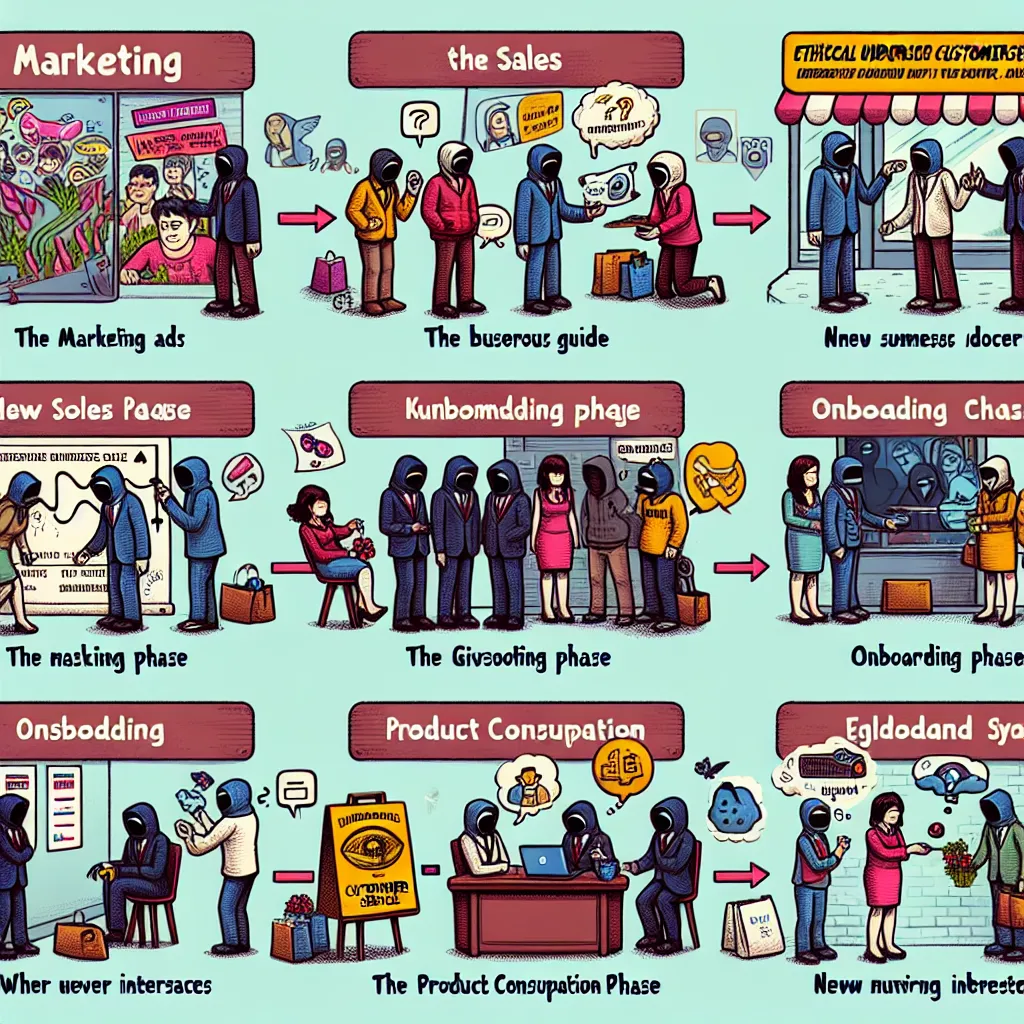
Leaders are asked to fix broken funnels and products they rarely experience the way customers do. Dashboards abstract away the truth, and internal demos are performative by nature — no one can authentically “sell” to their own CEO. This idea introduces an ethical “undercover customer” service that periodically enters the business as a real buyer, moving through marketing, sales, onboarding, and product without special treatment. Every step is documented from the customer’s point of view, capturing moments of confusion, friction, trust breakdowns, and hidden delays that never show up in metrics. The output isn’t a vague audit, but a concrete friction log paired with buyer-mindset insights and actionable fixes. The key is transparency: teams know this may happen, but not when, preserving honesty without creating paranoia. For executives, it replaces secondhand reporting with firsthand truth — and often explains why things are broken faster than any dashboard ever could.
Description
No additional description provided.
The Pitch
In today's competitive business landscape, leaders are frequently tasked with rectifying issues within customer journeys that they seldom experience from a customer's perspective. Traditional dashboards often obscure the real customer experience, while internal demos and reports fail to capture the authentic challenges faced by users. This initiative introduces an ethical undercover customer service designed to infiltrate businesses as genuine customers, experiencing every facet of the company's operations without any preferential treatment.
Backstory: As companies grow and processes become more complex, decision-makers often find themselves distanced from the end customer's actual experience. Leadership teams rely heavily on abstract data and second-hand reports that seldom capture the intricate details of customer interactions. Internal testing or demos tend to be staged, lacking the spontaneous challenges faced by real buyers. This disconnection leads to unresolved issues within marketing, sales, onboarding, and product usage, undermining customer satisfaction and business success.
Problem: The primary challenge lies in the gap between perceived and actual customer experiences. Executives are often blindsided by problems within customer funnels that don't appear in standard metrics. Without an authentic understanding of customer pain points, businesses struggle to identify areas of friction, trust breakdowns, and inefficiencies, leading to lost opportunities and diminished brand reputation.
Solution: Enter the ethical undercover customer service. This solution involves periodically integrating trained professionals into a business as actual customers. They navigate through marketing, sales, onboarding, and product use, documenting each step from a buyer's perspective. This process uncovers moments of confusion, friction, and inefficiencies that are often missed by traditional evaluation methods.
Product Details: The undercover customer service delivers a comprehensive friction log accompanied by insights into the buyer's mindset. This report highlights specific instances of customer pain and provides actionable recommendations for improvement. By maintaining transparency, the service informs teams of potential evaluations, ensuring honesty in operations while avoiding paranoia. The output is straightforward and directly addresses issues in a manner that abstract data cannot.
Tools for MVP Launch: 1. Customer Journey Mapping Software: Tools like Smaply or UXPressia to visualize and track customer interactions. 2. Recording and Note-taking Apps: Applications such as Evernote or Otter.ai for documenting the undercover experience. 3. Feedback Analysis Tools: Platforms like Typeform or SurveyMonkey to gather and analyze customer feedback. 4. Collaboration Software: Tools like Slack or Trello to coordinate between undercover agents and project teams.
Go-to-Market Strategy: 1. Target early adopters in industries known for complex customer journeys, such as finance, healthcare, or e-commerce. 2. Develop educational content (webinars, whitepapers) demonstrating the value of firsthand customer experience insights. 3. Initiate partnerships with consulting firms or UX agencies to increase credibility and reach. 4. Leverage social media and targeted digital marketing campaigns to raise awareness.
Business Model: 1. Subscription Service: Offer tiered subscription plans tailored to different business sizes and frequency of undercover evaluations. 2. Pay-Per-Use: Provide flexible pricing for businesses that prefer one-time evaluations or specific journey analysis. 3. Consulting Packages: Include add-ons like strategic workshops or custom training sessions for teams to act on findings effectively.
Conclusion: By embracing an ethical undercover customer service, businesses can access genuine, actionable insights into their customer experience, moving beyond the limitations of traditional metrics and staged demonstrations. This approach ensures leaders gain direct understanding of on-the-ground challenges and opportunities, enabling swifter and more effective decision-making to enhance customer satisfaction and drive business success.