Ultra-Low-Cost Insulin Creams for Safe Access
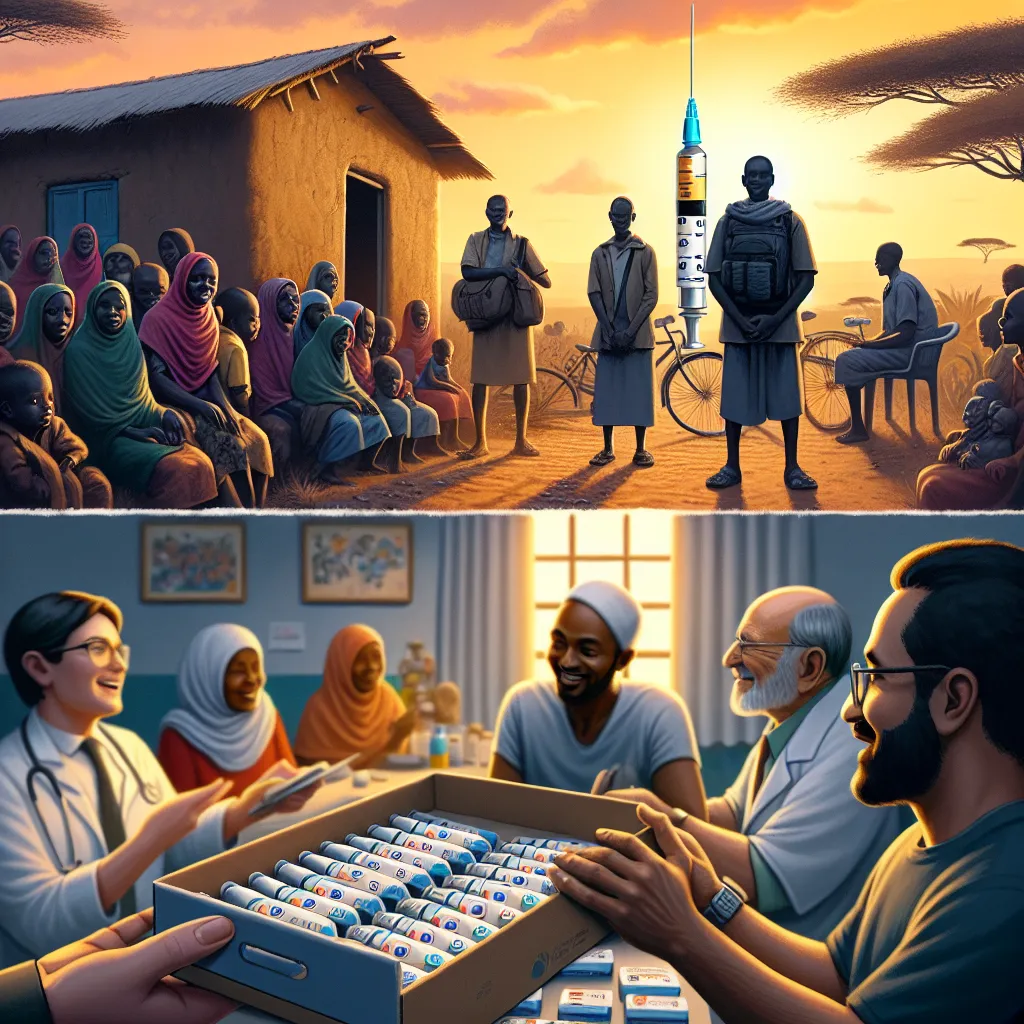
In many low-income regions, insulin access isn’t the only problem—needle access, needle sterilization, and disposal make treatment dangerous or impossible. Now that a pH-sensitive polymer can transport insulin through skin, a nonprofit + commercial hybrid could build ultra-low-cost insulin creams for global health markets. This eliminates needle contamination risks and reduces training requirements for local clinics. The “why now” is biological feasibility: insulin has finally been shown to cross skin in a pharmacologically meaningful way. A rural clinic in Kenya could distribute a month’s worth of insulin cream packets that patients apply daily without injections, dramatically increasing adherence and safety.
Description
No additional description provided.
The Pitch
Access to life-saving medication is a fundamental human right that is not universally accessible. In many low-income regions, this issue is magnified not just by the lack of medication itself, but also by the challenges associated with administering it. Insulin, a critical treatment for diabetes, is one such medication that faces barriers in these areas. Traditional insulin delivery requires needles, which present significant hurdles such as access to sterile needles, safe disposal, and the risk of contamination and infection. This situation is exacerbated by a lack of adequate healthcare training and facilities.
**Problem**
The current problem in diabetes management in low-income regions includes not only limited access to insulin but also the safe and effective administration of this medication. The necessity for needles complicates treatment, making it unsafe or impractical. Clinics often struggle with supply chain issues, ensuring the sterility of medical tools, and proper disposal protocols. Additionally, patients in these areas may lack the education or training required to safely and effectively manage their condition using injectable insulin.
**Solution**
Recent advancements in medical technology have opened up new possibilities for insulin delivery that do not depend on needles. A pH-sensitive polymer has been developed that can facilitate the transport of insulin across the skin. This breakthrough allows for the development of insulin creams that can be applied topically, eliminating the need for injections. Such a development offers a safe, effective, and easily administered alternative to traditional methods. It significantly reduces the risks associated with needle use and lessens the training burden on local healthcare providers.
**Product Details**
The proposed product is an ultra-low-cost insulin cream designed specifically for the conditions prevalent in low-income regions. The cream is packaged in monthly packets, each containing the necessary dosage for daily application. The insulin delivery via this cream has been shown to be pharmacologically meaningful, effectively managing blood glucose levels in patients. The simple application process involves applying the cream to the skin, where the insulin is absorbed.
**Implementation Tools**
To launch this insulin cream as an MVP, the following tools and strategies could be employed:
- **Research and Development Partnership**: Collaborate with pharmaceutical researchers and labs that specialize in transdermal applications to fine-tune the product. - **Production Facilities**: Utilize or establish production facilities in regions close to the target markets to reduce costs and logistics complexities. - **Funding and Grants**: Seek funding from global health organizations, government grants, and nonprofit entities focused on improving healthcare access in underserved areas.
**Go-to-Market Strategy**
The initial focus should be on piloting the product in select rural clinics in areas such as Kenya, where the need is immediate and significant. Establish partnerships with local health organizations and governments to ensure successful distribution and monitoring of the cream's impact.
- **Awareness Campaigns**: Conduct educational sessions and awareness campaigns to introduce the product, highlighting its benefits and ease of use. - **Training Programs**: Organize training for local healthcare workers on the product’s application, monitoring, and storage.
**Business Model**
A hybrid nonprofit-commercial approach would be suitable for this initiative. The nonprofit aspect can focus on fundraising and securing donations/sponsorships to subsidize the product cost, making it accessible for economically disadvantaged populations. The commercial component can ensure sustainable operations and potential market expansion into emerging economies, where there might be room for low-cost insulin alternatives.
In summary, the development of insulin cream offers an innovative and necessary solution to the challenge of diabetes management in low-income regions. By focusing on both nonprofit support and commercial viability, this initiative has the potential to improve global health outcomes significantly.