Ultra-Beginner Buddy Leagues for Social Sports
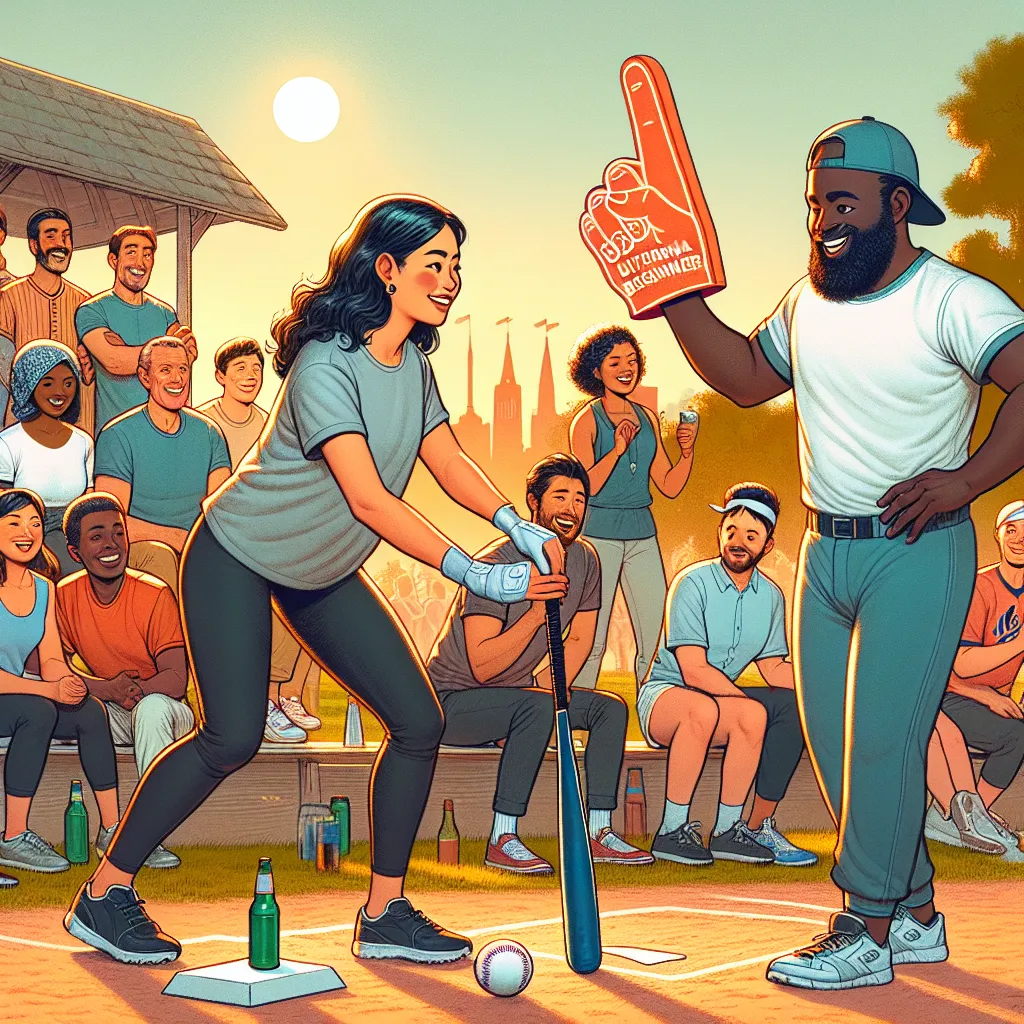
Most adults are intimidated to join sports leagues because they lack experience or fitness, and current leagues assume a baseline skill level. This leads to dropouts and missed opportunities for casual socializing and exercise. The solution: ultra-beginner buddy leagues where people with zero experience are grouped together, paired with volunteer coaches, and given a slow-paced, low-pressure environment. Instead of formal matches, it’s about small wins—learning to hit a softball, making friends, and grabbing a drink afterward. The trend toward adult recreation shows demand for casual, inclusive experiences, but few cater to true beginners. Example: a “First Timers Kickball League” where even missing the ball earns you cheers, not jeers, plus optional post-game hangouts at a local brewery.
Description
No additional description provided.
The Pitch
Many adults shy away from joining sports leagues due to intimidation and a perceived lack of experience or fitness. Traditional leagues often assume participants have a baseline skill level, which can be discouraging for true beginners. This results in high dropout rates and missed opportunities for casual socializing and exercise. There is a clear gap in the market for a more inclusive recreational option.
The Problem: For adults who haven't kept up with sports since their school days or who have never participated in organized sports, joining a league can be daunting. The fear of judgment, potential embarrassment, and the assumption of a certain skill level often discourage participation. As a result, these individuals miss out on the benefits of regular physical activity, stress relief, and social interaction.
The Solution: Introducing ultra-beginner buddy leagues designed specifically for individuals with zero to minimal experience. These leagues focus on creating a supportive environment where learning the basics is celebrated, and the pressure to compete is eliminated. Participants are paired with volunteer coaches who guide them through the fundamentals at a comfortable pace, promoting personal growth and camaraderie.
Product Details:
1. Structure: Teams are formed with a mix of true beginners and volunteer coaches. Games and practices are designed with an emphasis on fun rather than competition.
2. Activities: Each session includes a basic skills workshop followed by informal games. The objective is to promote gradual improvement and confidence in a no-pressure setting.
3. Social Element: Post-game gatherings at local establishments, such as a brewery, provide opportunities for participants to socialize, creating community bonds.
4. Example: A “First Timers Kickball League” where the focus is on learning the rules and having fun. Celebrations are more about participation and trying, rather than performance.
Tools for Easy Launch:
- Community Platforms: Utilize social media groups and local community boards to gauge interest and attract participants.
- Registration Software: Implement a simple online sign-up system to manage participant lists and schedules.
- Volunteer Recruitment: Partner with local community centers or sports clubs to enlist volunteer coaches.
- Venue Partnerships: Collaborate with local parks and recreation departments or schools to secure affordable venues.
GTM Strategy:
1. Target Audience: Focus on adults seeking low-intensity physical activity, social interaction, and stress relief. Promote inclusivity and community as core values.
2. Marketing Tactics: Use social media campaigns, local radio ads, and community newsletters to reach potential participants. Highlight success stories and testimonials from participants.
3. Partnerships: Collaborate with local businesses, particularly those in the wellness and hospitality sectors, to sponsor teams or offer discounts for post-game gatherings.
Business Model:
- Membership Fees: Charge a nominal seasonal fee to cover equipment, venue costs, and administrative expenses.
- Sponsorships: Seek sponsorships from local businesses to subsidize costs and perhaps provide branded merchandise.
- Merchandise: Sell league-themed apparel or gear to create a sense of community and generate additional revenue.
- Events: Host occasional social events, such as tournaments or community days, to further community engagement and visibility.
Conclusion: The move towards adult recreation reflects a growing demand for casual, inclusive experiences. By targeting the true beginners and providing a welcoming environment, ultra-beginner buddy leagues can fulfill this demand, fostering a community spirit, encouraging physical activity, and offering a fun, stress-free social outlet.