Turnkey Retail Experience Platform for Brand Activation
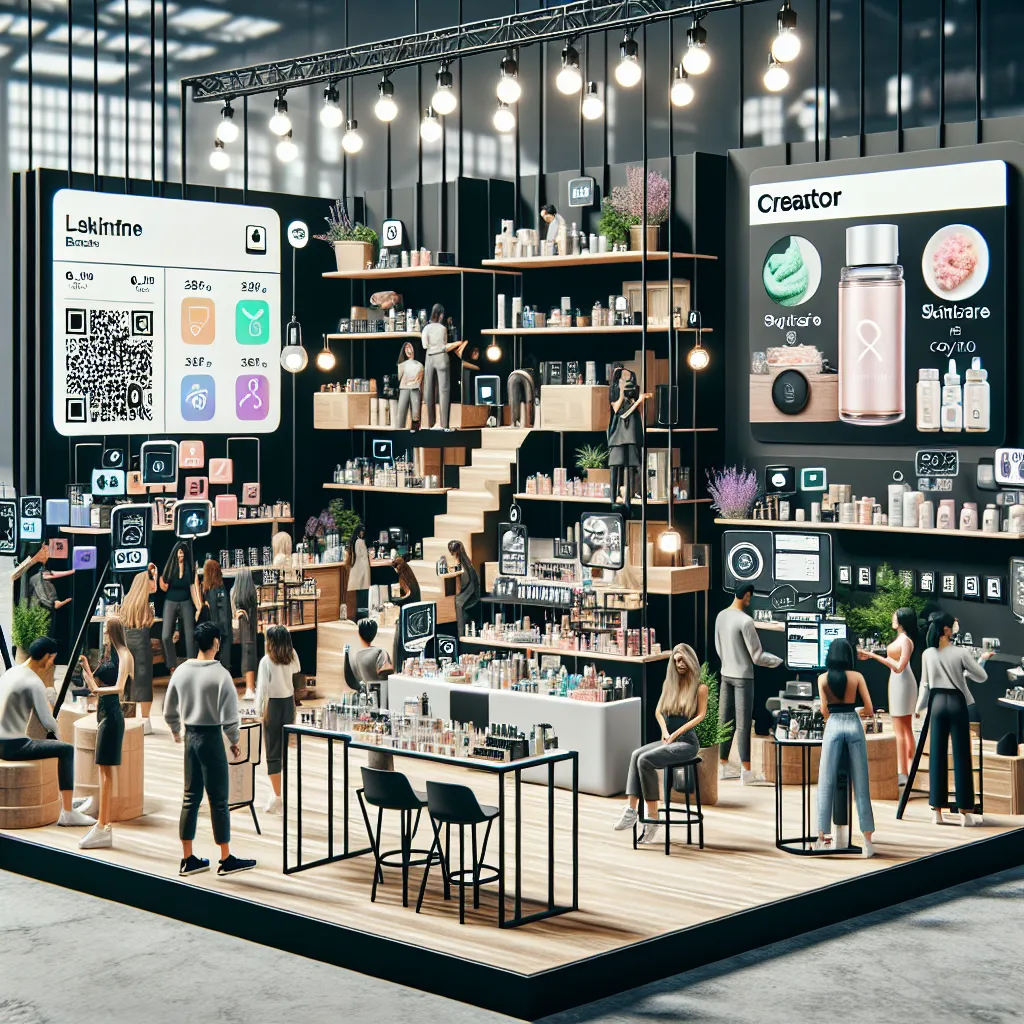
Brands want experiential retail moments—showrooms, testing labs, launch events—but the friction of designing, staffing, and operating physical spaces stops them before they start. A turnkey “Store-Experience-as-a-Service” platform would handle everything: location scouting, modular fixtures, staff on demand, POS and inventory tech, analytics, and integrated online → offline data capture. This is emerging now because retailers are shrinking footprints, landlords are desperate for flexible tenants, and brands need physical presence without committing to leases. A skincare brand could launch a 10-day experimental studio in SoHo, complete with QR-driven product education, local creator events, and full analytics—set up in 48 hours and torn down in 24.
Description
No additional description provided.
The Pitch
The retail landscape is evolving rapidly, with brands increasingly seeking innovative ways to engage customers through experiential retail moments. Traditional methods of crafting these experiences often pose significant challenges due to the complexities involved in designing, staffing, and operating physical spaces. This is where the concept of a Store-Experience-as-a-Service platform becomes invaluable, offering a seamless solution for brands eager to deliver impactful retail experiences without the typical hurdles.
Backstory:
Historically, creating a memorable retail experience required long-term commitments, including securing leases, building out store interiors, and hiring permanent staff. However, changes in consumer expectations and market dynamics have shifted the focus towards more flexible and innovative approaches. As brands began to explore the potential of experiential retail, they encountered significant friction that hindered their ability to execute such strategies effectively.
The Problem:
Brands face numerous challenges when attempting to create experiential retail spaces. These include:
- The complexity and cost of location scouting and securing prime retail spots. - The logistical burden of designing and setting up modular fixtures and interiors. - The need for reliable, flexible staffing solutions to manage operations. - The integration of advanced point-of-sale (POS) and inventory management technologies. - Capturing and analyzing data from both online and offline interactions to inform future strategies.
Such obstacles often deter brands from pursuing experiential retail opportunities, despite the evident benefits.
The Solution:
A Store-Experience-as-a-Service platform emerges as a comprehensive solution to these challenges, providing:
- Location Scouting: Streamlined processes for identifying and securing ideal retail spots in line with brand objectives. - Modular Fixtures: Customizable and quickly deployable layouts that adapt to diverse brand needs and event styles. - Staff on Demand: Access to a trained and flexible workforce, allowing brands to scale staffing up or down based on demand. - Advanced POS and Inventory Tech: Integrated solutions that ensure smooth transactions and real-time inventory management. - Analytics Tools: In-depth data capture and analysis capabilities that link online interactions with offline experiences, empowering brands with actionable insights.
Product Details:
Envision a scenario where a skincare brand wants to establish a temporary studio in a high-traffic location such as SoHo. With this platform, they can launch a 10-day experiential studio featuring QR-driven product education, local creator events, and comprehensive analytics. This setup can be completed within 48 hours, and dismantled in 24, exemplifying the platform's efficiency and adaptability.
Tools for Easy MVP Launch:
To bring this concept to life as a Minimum Viable Product (MVP), consider leveraging the following tools:
- Real Estate Platforms: Partner with services that offer short-term retail space rentals. - Fixture Providers: Collaborate with companies specializing in modular store furnishings. - Staffing Platforms: Use flexible staffing solutions that offer temporary retail personnel. - POS and Inventory Systems: Integrate with cloud-based systems for seamless transactions and stock management. - Analytics Software: Employ data analysis tools that support comprehensive customer engagement tracking.
Go-to-Market Strategy:
1. Pilot Program: Initiate a pilot in a major metropolitan area with a high concentration of target brands. 2. Partnerships: Build strategic alliances with popular retail locations, fixture manufacturers, and staffing agencies. 3. Marketing Campaign: Develop a robust campaign highlighting the ease, flexibility, and innovation of the service. 4. Case Studies: Showcase successful implementations and measurable outcomes to attract new clients. 5. Feedback Loop: Collect and integrate brand feedback to refine and enhance the service offering continuously.
Business Model:
The business model can be based on a subscription or pay-as-you-go pricing strategy, allowing brands to choose their preferred commitment level. Additional revenue streams could include premium features like advanced analytics packages, custom fixture designs, and extended service hours.
Conclusion:
The Store-Experience-as-a-Service platform offers a revolutionary approach to experiential retail, addressing the pain points that often limit brand potential. By eliminating traditional barriers, this service empowers brands to engage with their customers in dynamic and meaningful ways, shaping the future of retail experiences.