Turn Your Garage into a Gym Instantly
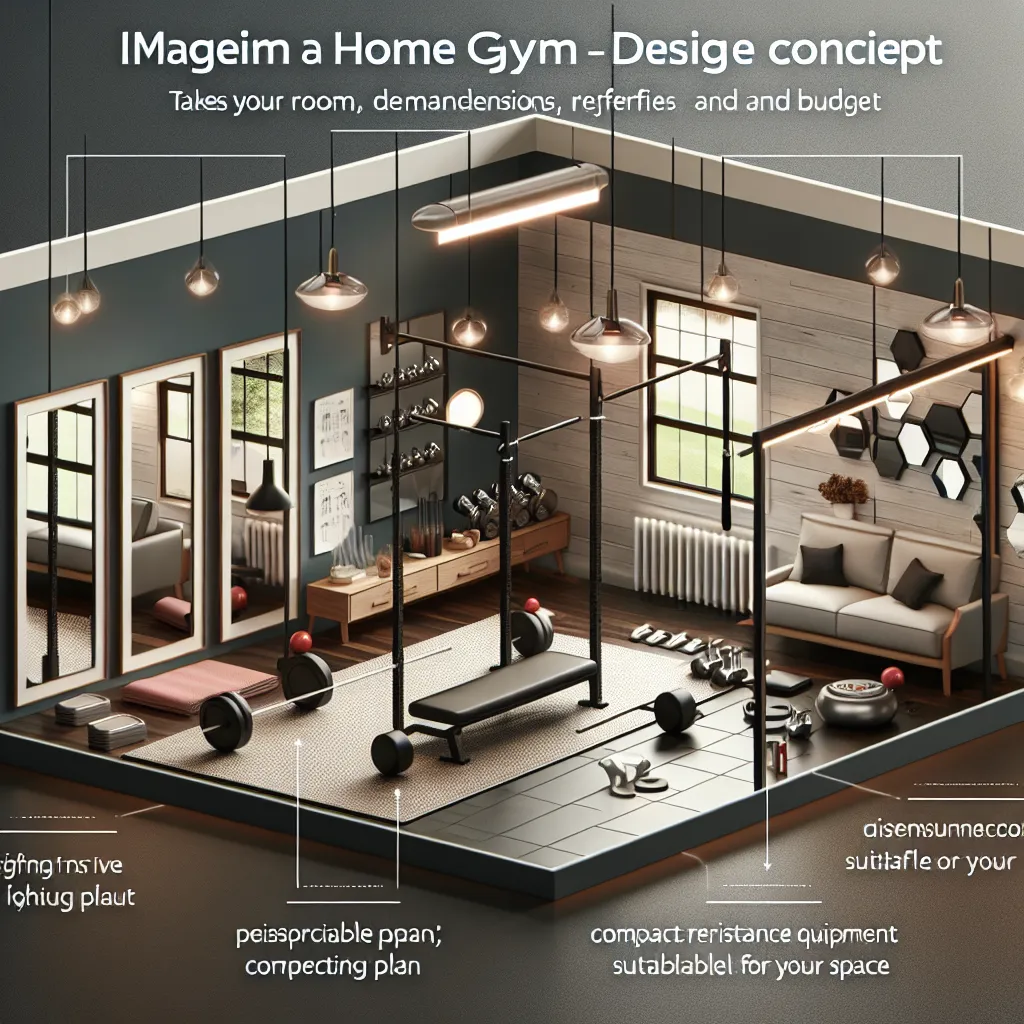
Anyone setting up a home gym today gets pulled into months of forum posts about plate weights and rack tier rankings when what they actually want is someone to tell them how to turn the empty corner of their garage into a space that looks like a gym, fast. The equipment review sites are written by hardware nerds for hardware nerds, and there is nothing aimed at the buyer who cares about the room as much as the rack. A design service that takes your room dimensions and budget and ships you a flooring plan, lighting kit, mirror placement, and a curated equipment list with a single checkout would replace twenty hours of research with one decision. Home gym spending stayed elevated through 2025 even after gyms reopened, compact resistance equipment released in the last year means full setups now fit in 80 square feet, and Pinterest searches for garage gym design roughly tripled year over year. The first version could be a $499 package with a 3D mockup, materials list, and a single-cart checkout.
Description
No additional description provided.
The Pitch
For individuals looking to set up a home gym, the process often begins with a daunting amount of research. Prospective home gym owners frequently find themselves wading through endless forum posts about equipment specifications and fitness trends, with little guidance on how to seamlessly transform an empty garage corner into a functional and aesthetically pleasing gym space. Current resources are typically geared towards enthusiasts already familiar with the intricacies of gym equipment, leaving those who care as much about design as functionality somewhat underserved.
The problem arises from a lack of personalized resources for individuals who are new to home gym setups. Unlike seasoned gym-goers who might enjoy sifting through various reviews and technical specifications, beginners often seek a straightforward, one-stop solution that considers both aesthetics and functionality. Without a guiding service, they struggle to envision how different components fit together in their unique spaces.
The solution is a streamlined design service that takes into account the dimensions and budget of a given space, providing users with an actionable plan. This service would deliver a comprehensive package that includes a detailed flooring plan, optimized lighting suggestions, mirror placements, and a curated list of equipment with a convenient, unified checkout process. Such a service could condense countless hours of independent research into a single, easy decision.
In terms of product details, the initial offering could be a comprehensive package priced at $499. This would feature a 3D mockup tailored to the user’s specific space, a complete materials list for easy sourcing, and a singular checkout process for purchasing the recommended equipment. The solution could leverage compact resistance equipment, which is now capable of fitting into spaces as small as 80 square feet—making this ideal for users with limited space like a small garage corner or spare room.
To facilitate an easy launch, consider utilizing tools such as 3D design software to create realistic mockups, e-commerce platforms for streamlined checkout processes, and customer relationship management systems to ensure seamless service delivery. Platforms like Shopify or WooCommerce paired with 3D modeling tools like SketchUp or RoomSketcher can be powerful allies in developing the MVP.
The go-to-market strategy would focus on digital marketing channels, utilizing targeted social media advertising on platforms like Instagram and Pinterest, where design-conscious consumers often seek inspiration. Collaborations with fitness influencers and partnerships with online fitness communities could broaden reach and establish credibility. Additionally, creating engaging, visual content that showcases before-and-after transformations and client testimonials can drive interest and conversions.
The business model would operate on a direct-to-consumer basis, with revenues generated through package sales. This model can evolve with subscription options for ongoing support or annual design refreshes as users' fitness needs grow and change. Additionally, affiliate agreements with equipment manufacturers can create supplementary income streams, providing value to both the business and its partners.
Ultimately, this service would cater to the growing market of individuals investing in home workout spaces, emphasizing both practical features and design—a missing key in the current fitness landscape.