Turn Workouts into Renewable Energy at Home
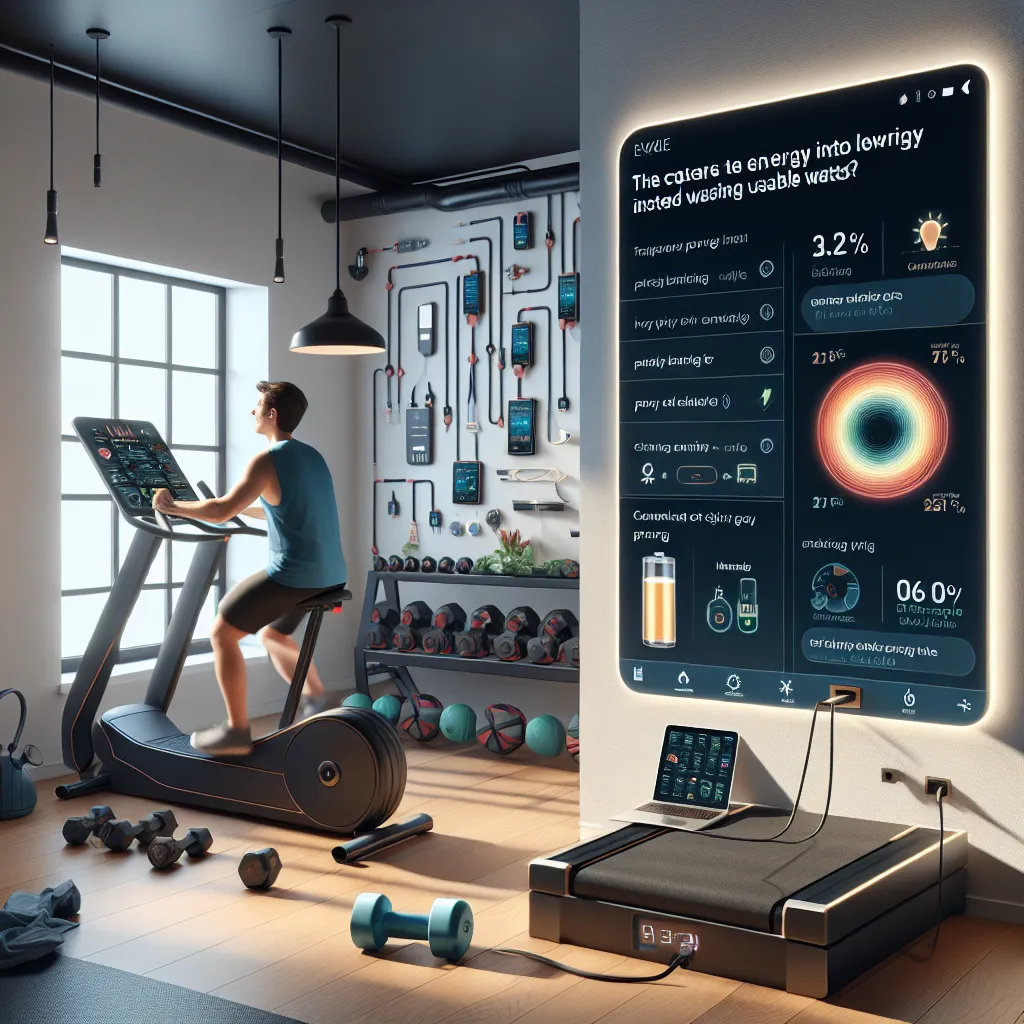
A hardware + software system that turns workouts into real electricity instead of just “closing your rings.” The problem: home gyms and fitness bikes burn you out but waste all that energy as heat, while most people still feel guilty about their power bill, sedentary time, and doom-scrolling. The solution is an add-on kit (and eventually a full bike/treadmill) that connects to your stationary equipment, captures the watts you generate, and stores them in power banks that actually charge your phone, run an LED strip, or power the gym’s front desk tablet. The UI shows you exactly how much power you’ve created, and optionally locks certain “vices” (TikTok, TV, blender, martini shaker) behind live pedaling so you literally power your own distractions. Why now: everyone already tracks watts on Peloton, energy prices are in people’s heads, and “feel good about your impact” is a huge emotional lever. Example: you pedal for 45 minutes, bank enough juice to charge your phone and run your reading lamp for the night, and the app congratulates you for turning Doritos into kilowatt-hours.
Description
No additional description provided.
The Pitch
In today's fast-paced world, individuals constantly seek ways to maximize their efficiency, whether at work, home, or in leisure activities. With the increasing awareness of environmental issues and the growing need for sustainable solutions, the opportunity to merge fitness with energy generation presents an exciting avenue for innovation. This concept explores the potential of creating a game-changing hardware and software system that transforms workouts into real, usable electricity.
Backstory
Traditional workouts in home gyms or on fitness bikes generate significant energy through human exertion. However, the vast majority of this energy dissipates as heat and remains untapped. Simultaneously, there is an ever-present concern over rising energy bills and the guilt associated with the passive lifestyle choices of doom-scrolling through social media or excessive television watching.
Problem
Despite the rise of fitness technologies and apps, most merely track performance metrics without offering tangible benefits beyond personal health. Stationary equipment in home gyms consumes electricity without giving back, and the potential wattage produced during exercise remains untapped. Many individuals feel the pressure of high energy costs, compounded by the sedentary lifestyle that often accompanies screen time.
Solution
The proposed solution is a groundbreaking add-on kit designed to retrofit existing stationary exercise equipment. This retrofitting kit will capture the energy generated during workouts and store it in power banks. These banks can then be used to charge personal devices, run household electronics like LED lights, or even power digital devices at the gym's front desk. As a longer-term vision, the development of fully integrated bikes and treadmills with built-in energy conversion capabilities is envisioned.
The Product
The system comprises two main components: the hardware kit and the accompanying software application. The hardware kit includes:
1. An energy conversion unit that can be easily attached to existing gym equipment. 2. A set of portable, rechargeable power banks. 3. Necessary wiring and connectors for seamless integration.
The software application provides:
1. A user-friendly interface displaying real-time data on watts generated. 2. Goal-setting features to motivate users. 3. Options to power certain rewards like screen time, providing a tangible link between effort and reward. 4. Insights into historical data to track progress over time.
Tools for Easy MVP Launch
1. Hardware Prototyping: Utilize platforms like Arduino or Raspberry Pi for initial energy conversion prototypes. 2. App Development: Employ tools such as React Native for cross-platform mobile app development. 3. 3D Printing: Rapid prototyping of physical components. 4. Cloud Services: AWS or Firebase for backend services to manage user data and analytics.
Go-to-Market Strategy
1. Early Adopter Engagement: Partner with fitness influencers and environmentally-conscious communities to showcase the benefits and gather feedback. 2. Pilot Programs: Launch small-scale pilot tests in local gyms and fitness centers to validate the concept and finetune the product. 3. Direct-to-Consumer Sales: Offer pre-orders on platforms like Kickstarter or Indiegogo to gauge interest and generate initial sales. 4. Collaborations: Form partnerships with existing fitness equipment manufacturers for potential co-branded products.
Business Model
1. Hardware Sales: Revenue from the sale of retrofitting kits and, eventually, fully integrated energy-generating equipment. 2. Subscription Services: Monthly or yearly subscriptions for accessing advanced app features, analytics, and progress tracking. 3. Partnerships: Licensing deals with fitness equipment manufacturers or collaborations with energy-conscious companies. 4. Advertising: In-app advertising for eco-friendly products and services aligned with the brand's ethos.
Conclusion
At the convergence of health, fitness, and sustainability lies an opportunity to redefine how we perceive workout routines. By turning personal fitness into a resource that contributes directly to energy consumption, users not only improve their health but also feel a heightened sense of achievement and purpose. With the growing emphasis on personal impact and renewable energy, now is the time to embrace this cutting-edge innovation, empowering individuals to literally and figuratively make every move count.