Turn Real Spaces into Multiplayer Game Arenas
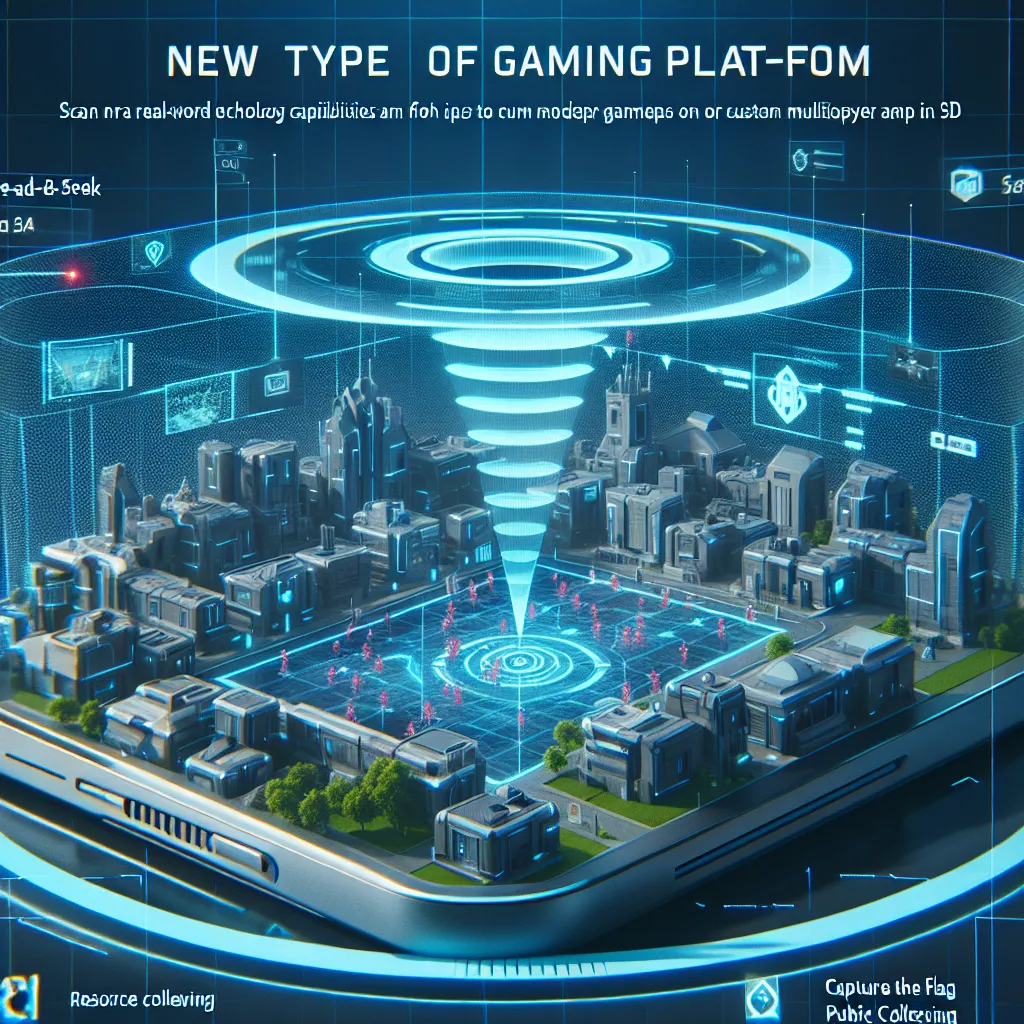
Phones and tablets can now scan real-world environments in 3D, but most people only use that capability for utility, not play. That opens the door to a new kind of game platform where users scan homes, offices, parks, playgrounds, or public spaces and turn them into multiplayer maps for custom games. The product is not just a shooter—it could support hide-and-seek, capture the flag, racing, resource collection, or shrunken-down arena games that let players battle through familiar spaces from a totally new perspective. This is newly possible because LiDAR-enabled devices are more common, 3D capture is improving, and user-generated game worlds are already a proven behavior in Roblox, Fortnite Creative, and Minecraft. A killer first experience would be scanning your house, fort, or backyard and then playing a tiny-scale laser tag or parkour game inside a digital version of the place you know best.
Description
No additional description provided.
The Pitch
In the age of rapidly advancing technology, the ability to scan real-world environments in 3D has opened up a new frontier for entertainment and interaction. While many people primarily use this capability for practical purposes, such as measuring spaces or planning interior layouts, there is a significant opportunity to leverage this technology for immersive play. This presents an exciting opportunity for a new kind of game platform that transforms ordinary spaces into extraordinary interactive playgrounds.
**The Opportunity**
With the proliferation of LiDAR-enabled devices and the continuing improvements in 3D capturing technology, there is a ripe opportunity to engage users in interactive and customized gaming experiences. User-generated game worlds already have a strong foothold in platforms like Roblox, Fortnite Creative, and Minecraft, indicating a clear market demand for personalization in gaming. However, most existing games do not fully utilize the potential of scanning real-world environments to create interactive and dynamic multiplayer maps.
**The Solution**
This concept harnesses the power of 3D scanning technology to allow users to scan any real-world environment—be it homes, offices, parks, or public spaces—and transform those scans into detailed multiplayer maps. These maps can then serve as the basis for a wide variety of custom games, ranging from traditional shooter formats to more creative play like hide-and-seek, capture the flag, and resource collection games.
**Product Details**
- **Game Types**: Players can engage in various games that suit the scanned environments, such as miniature laser tag, racing, capture the flag, resource collection, and parkour challenges. The platform supports both collaborative and competitive gameplay.
- **Tech Integration**: The platform is designed to work smoothly with any LiDAR-enabled device, incorporating intuitive scanning technology to quickly and accurately capture spaces.
- **User-Generated Content**: Users can create, share, and explore different game maps, leveraging community creativity and encouraging a vibrant ecosystem of unique play experiences.
- **Multiplayer Interaction**: Support for both local and online multiplayer modes allows friends and communities to engage in shared experiences, either co-located or remotely.
**Tools to Launch an MVP**
To streamline the development of this platform as a minimum viable product (MVP), the following tools and technologies can be integrated:
- **Unity or Unreal Engine**: These engines offer robust 3D rendering capabilities and are widely used for developing immersive gaming experiences.
- **ARKit / ARCore**: Utilizing AR development kits provided by Apple and Google will be crucial for effective 3D environment scanning and augmented reality interactions.
- **Firebase**: Google's Firebase can be utilized for backend support, including real-time database management, authentication, and analytics.
- **Photon Unity Networking**: This tool provides a solid framework for developing multiplayer networked games, ensuring low-latency communication between players.
**Go-To-Market Strategy**
- **Target Audience**: Focus on tech-savvy gamers, AR enthusiasts, and younger demographics already engaged with platforms like Roblox and Minecraft.
- **Partnerships**: Collaborate with popular content creators, influencers in the gaming community, and educational platforms to extend reach and credibility.
- **Marketing**: Utilize social media campaigns, teaser trailers, beta testing opportunities, and engaging content to build anticipation and drive early adoption.
- **Community Engagement**: Launch a community-driven forum or platform where users can share experiences, suggestions, and content to encourage organic growth and refinement of the product.
**Business Model**
- **Freemium Model**: Offering basic functionality for free can help attract a broad user base, with additional features and content available through premium subscriptions or in-app purchases.
- **Custom Content Packs**: Monetize by selling themed packs, skins, or special items, allowing users to personalize and enhance their game maps and characters.
- **Event Partnerships**: Organize or sponsor events where users can participate in special games or challenges, potentially offering prizes or recognition, funded through sponsorships.
By combining cutting-edge technology with creative gameplay and personalization, this platform aims to revolutionize the way people engage with their environments, transforming the mundane into the extraordinary.