Try Hubs: Test and Buy Big-Ticket Items
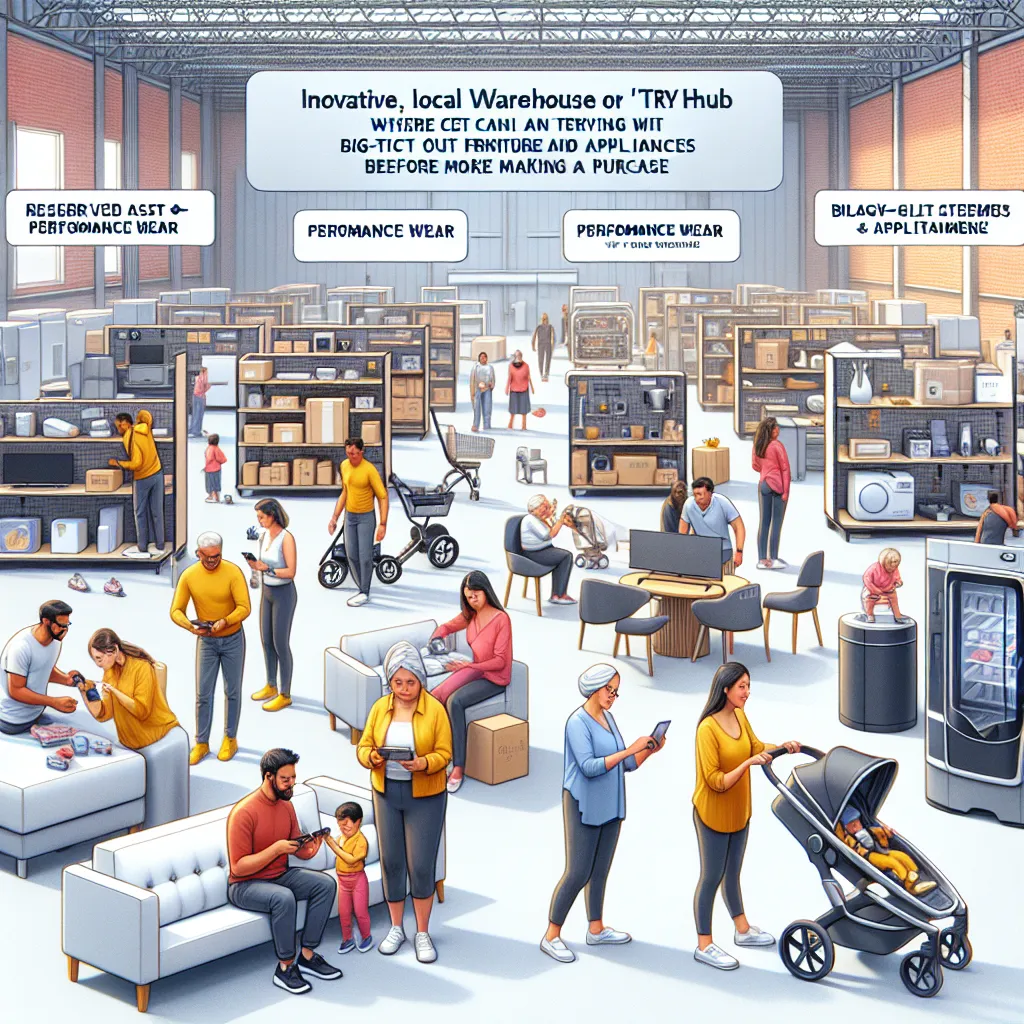
Shoppers hesitate to buy big-ticket items like furniture, appliances, and performance wear online because they can’t touch or test them, and stores can’t display every SKU. A “try hub” network solves this by acting as the physical extension of online browsing—local warehouses where consumers can book a trial window, test items, take them home for a week, then buy or return with seamless logistics. This works now because retailers are redesigning stores around fulfillment, not display, and consumer trust in high-price online purchases is dropping. A parent could reserve three strollers online, test them in a local hub, take one home for a weekend, and complete the purchase only after real-world validation.
Description
No additional description provided.
The Pitch
In today's fast-paced digital world, the way consumers shop is undergoing significant shifts. While e-commerce has made shopping incredibly convenient, it comes with its own set of challenges, especially when it comes to high-value items like furniture, appliances, and performance wear. The inability to physically interact with products often deters consumers from making online purchases. This document explores the innovative concept of try hub networks, a solution that can bridge this gap and transform the retail landscape.
Backstory: Over recent years, online shopping has seen explosive growth, yet certain product categories continue to struggle with online conversion rates. Consumers find it difficult to commit to substantial purchases without first experiencing the product firsthand. Traditional brick-and-mortar stores, on the other hand, are limited by their space constraints and cannot possibly display every SKU available online. This conundrum creates a significant barrier in the customer decision-making process.
Problem: Consumers hesitate to make large purchases online due to the lack of physical interaction, which is essential for items that require evaluation beyond visual appeal. Despite descriptive online listings, customers miss the opportunity to test products' functionality, comfort, or aesthetics in real life. This hesitancy leads to abandoned carts, increased return rates, and lost sales opportunities for retailers. Furthermore, the dwindling consumer trust in big-ticket online shopping only exacerbates this issue.
Solution: The concept of a try hub network provides a tangible bridge between online browsing and in-store shopping. These hubs function as local warehouses where consumers can book trial windows to test products. By acting as physical extensions of e-commerce platforms, these hubs support consumers in making informed decisions. Customers can visit the hub, test the items, take them home for a short trial period, and finalize their purchase after real-world validation. This seamlessly integrates with logistics to handle both potential purchases and returns efficiently.
Product Details: - Localized hubs are strategically located to serve urban and suburban areas. - Consumers can reserve items online for testing at their nearest hub. - Hubs provide a curated selection of high-demand products based on e-commerce data. - Trial periods allow consumers to take items home for a limited time before committing to a purchase. - Streamlined logistics facilitate easy pickups and returns through partnerships with local delivery services. - Trial bookings, extensions, and purchase completions are managed through an integrated digital platform.
Tools for MVP Launch: - Develop a user-friendly booking platform that connects e-commerce sites with try hubs. - Partner with logistics companies for efficient product transport. - Choose pilot locations based on market research to identify areas with high potential demand. - Collaborate with local retailers to complement product offerings and share space where feasible.
Go-to-Market Strategy: - Initiate a pilot program in select cities with a focus on specific product categories. - Use targeted digital marketing to reach potential early adopters and highlight the convenience of the try hub experience. - Partner with popular e-commerce platforms to embed the try hub option directly into the online shopping experience. - Host experiential events at hubs to attract local communities and drive awareness.
Business Model: - Revenue generated through booking fees and commission on completed sales. - Collaborative partnerships with retailers for shared revenue on enhanced sales. - Subscription models for frequent users offering perks like reduced trial fees or extended trial periods. - Premium memberships for exclusive access to new product launches and priority bookings.
Conclusion: The try hub network is poised to redefine how consumers interact with big-ticket products, providing the touch-and-feel experience that e-commerce lacks. By effectively merging the convenience of online browsing with the tangible benefits of in-store shopping, this innovative concept holds the potential to significantly boost consumer confidence in digital retail practices and reduce return rates, benefiting both consumers and retailers alike.