Trustless Peer-to-Peer Transactions with Smart Escrow
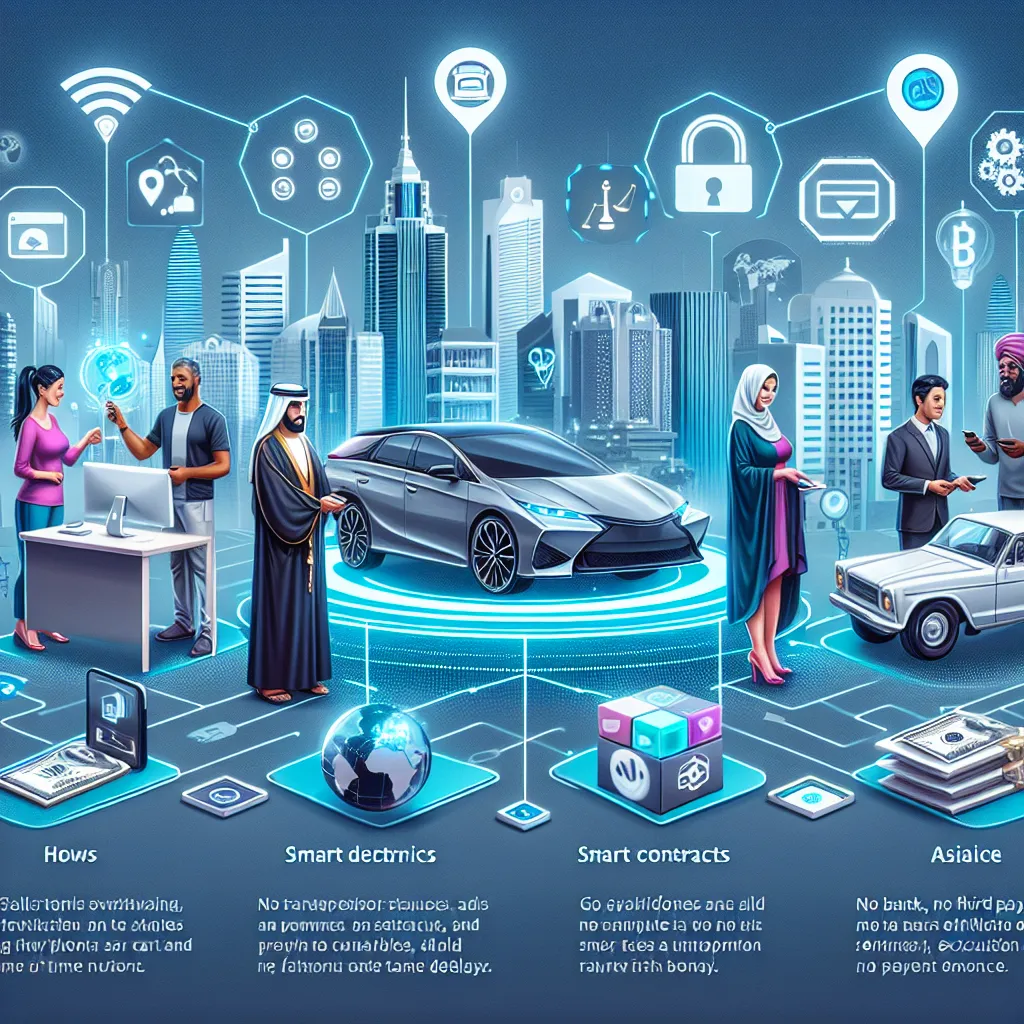
Peer-to-peer sales of physical goods—like cars, collectibles, or high-end electronics—are riddled with risk. Buyers fear getting scammed, sellers fear chargebacks or fraud, and trusted middlemen take huge cuts. Until now, there was no way to programmatically enforce trust in the real world. But with stablecoins, programmable payments, and smart devices, a new kind of transaction is possible: automated ownership handoffs. A buyer escrows USDC into a smart contract. The system verifies the seller’s identity, GPS location, or even connects to a smart lock or car key. Once the item is picked up, confirmed via photo, sensor, or verification protocol, the funds are automatically released. No banks, no third-party platforms, no delays. It’s like Escrow.com meets Uber’s trust infrastructure—without the centralized middleman. What used to require lawyers, notaries, or massive platforms can now be done peer-to-peer, safely and instantly. This unlocks trustless local commerce for everything from cars to collectibles.
Description
No additional description provided.
The Pitch
Imagine a world where buying and selling high-value items like cars, collectibles, or high-end electronics happens seamlessly and without the fear of scams or fraud. This is not a distant future scenario but an innovative solution made possible through breakthroughs in financial technology. Currently, peer-to-peer sales of physical goods carry significant risks for both buyers and sellers. Buyers are often anxious about being deceived, while sellers worry about potential chargebacks or fraudulent activities. Traditional methods involve trusted intermediaries, who charge significant fees, eating into profits and complicating transactions.
The central issue is the lack of a trustworthy mechanism to facilitate these transactions securely in a peer-to-peer manner. Buyers and sellers need a system that can ensure both parties can execute the transaction with confidence and minimum friction. The absence of such a system has limited the potential for peer-to-peer commerce, conditioning users to rely on platforms that take considerable cuts or add layers of complexity.
However, there is now a solution. Leveraging the capabilities of stablecoins, programmable payments, and smart devices, we can create a seamless transaction experience through automated ownership exchanges. Picture this process: a buyer places USDC (a type of stablecoin) into an escrow smart contract. This contract is a secure code that holds the digital currency in trust. The system then checks the seller’s identity, verifies GPS location, or employs a smart lock or digital car key to authenticate the transaction. Once the buyer has picked up the item, confirmation is done via a photo, sensor, or verification protocol, triggering the automatic release of funds. No banks are involved, no third-party platforms are needed, and there are no unnecessary delays. This streamlines the transaction much like Escrow.com would, but without a centralized entity taking a hefty fee.
This concept takes cues from Uber’s trusted infrastructure but eliminates the centralized middleman, shifting the paradigm from platform dependence to genuine peer-to-peer commerce. What once required extensive legal or notary involvement can now be executed swiftly and securely between individuals. This innovation unlocks a new realm of trustless local commerce, expanding the scope for peer-to-peer sales from mundane items to valuable assets like cars and collectibles.
To bring this solution to life, the required product details include building an application or platform utilizing blockchain technology for the smart contract, stablecoins like USDC for escrow, and smart devices for verification. Tools such as Ethereum or other blockchain platforms and APIs for location verification, such as GPS or Internet of Things (IoT) devices, are essential. For launching a Minimum Viable Product (MVP), services like Stripe or other payment processing APIs could be integrated for fiat transactions, and smart contract services like ConsenSys or OpenZeppelin could be used for blockchain development.
For the go-to-market strategy (GTM), targeting tech-savvy regions or communities with high peer-to-peer transaction volumes is advisable. Collaborations with IoT device manufacturers or companies in the automotive tech space could enhance credibility and expand reach. As early adopters are key to traction, initial marketing efforts could focus on marketplaces dealing with high-value items where the risk of fraud deters potential transactions.
The business model could involve taking a small fee for each transaction facilitated by the platform, significantly lower than traditional middlemen to attract users. Subscription models offering premium features for frequent sellers or businesses could also provide additional revenue streams.
In conclusion, this solution not only addresses a significant gap in peer-to-peer commerce but also utilizes modern technology to create a safer, more efficient transaction mechanism. The road to launching this innovative product involves combining blockchain technology, smart devices, and strategic partnerships to redefine the landscape of local high-value item exchanges.